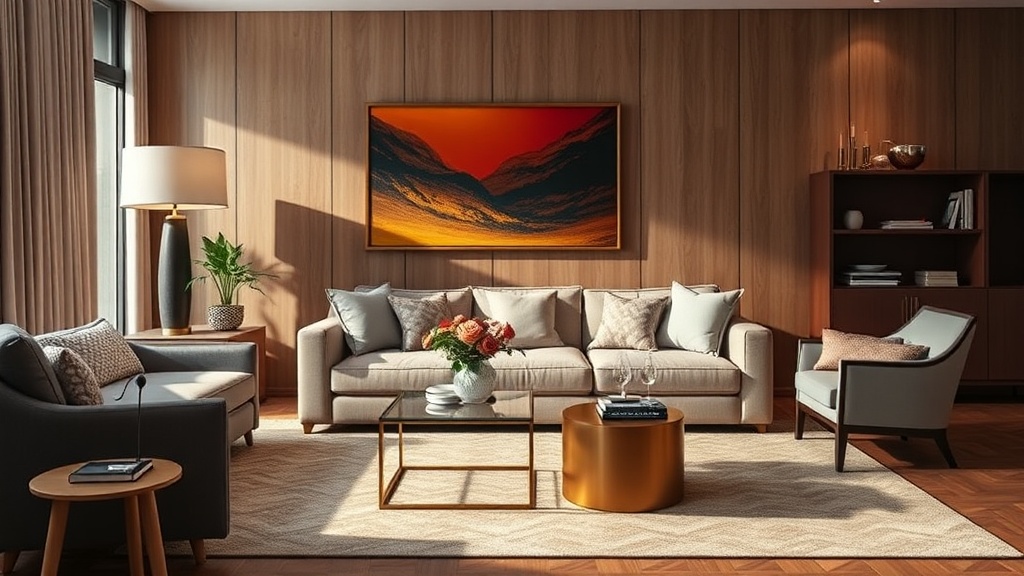
Why You Should Swap Your Small Side Tables for Large Statement Pieces

Imagine walking into a living room where a tiny, spindly end table sits tucked next to a heavy linen sofa. The table looks like an afterthought, barely holding a single coaster and a remote control. This common design mistake creates visual clutter and makes a room feel fragmented. Instead of choosing one small table for each side of your seating, swapping them for larger, more substantial statement pieces can anchor your furniture, create a sense of luxury, and make your living space feel intentionally designed rather than just "furnished." This post explains why scale matters in interior design and how you can find high-impact, oversized side tables without spending a fortune.
The Problem with Small Scale Furniture
Most people buy small side tables because they are afraid of taking up too much floor space. While this logic works for a tiny studio apartment, it often backfires in a standard living room. Small tables create "visual gaps"—empty spaces that make a room feel unfinished or uncoordinated. When a table is too small for the sofa it sits next to, it looks like it's floating or has been misplaced.
This lack of scale causes several issues in a room's composition:
- Visual Imbalance: A heavy, deep-seated sofa paired with a thin, lightweight pedestal table creates a jarring contrast that feels "off" to the eye.
- Functional Limitations: Small tables rarely provide enough surface area for a lamp, a book, and a beverage, leading to items spilling onto the floor or the sofa cushions.
- Lack of Focal Point: Small pieces tend to disappear into the background, failing to draw the eye or contribute to the room's overall aesthetic identity.
Why Statement Pieces Work Better
A statement piece is an item that has enough visual weight to command attention. When you opt for a larger side table, you are providing a "landing pad" for your decor. This allows you to layer items like a ceramic vase, a stack of hardback books, and a substantial lamp. This layering is what transforms a room from looking basic to looking professionally styled.
A larger table provides a sense of permanence. It tells the eye that the furniture arrangement is a deliberate unit. For example, replacing two tiny wooden end tables with one large, heavy stone plinth or a substantial drum-style table can instantly elevate the sophistication of a seating area. This approach moves away from the "filling the gaps" mentality and toward a "designing the space" mentality.
The Rule of Proportions
To get this right, you need to consider the height and width of your seating. A general rule of thumb is that your side table should be roughly the same height as the arm of your sofa or slightly lower. If you are using a larger, more substantial table, ensure it doesn't dwarf the sofa. A heavy wooden block table works beautifully next to a mid-century modern sofa, whereas a large marble pedestal might feel too formal for a rustic linen couch.
Finding High-Impact Tables on a Budget
The biggest barrier to buying large statement pieces is the price tag. New, oversized furniture from high-end retailers can cost hundreds, if not thousands, of dollars. However, the best statement pieces are often found in the secondhand market. Because these pieces are larger and heavier, they are often undervalued at thrift stores or garage sales because they are harder to transport.
Where to Shop for Scale
Look beyond the local thrift shop and check out estate sales in established neighborhoods. These sales often feature solid wood, marble, or heavy metal pieces that have the "weight" required for a statement. You can also find incredible deals on Facebook Marketplace by searching for specific materials rather than just "side table." Try searching for terms like "pedestal table," "drum table," "marble end table," or "heavy wood pedestal."
When you find a piece that has great bones but perhaps an outdated finish, remember that a little DIY can go a long way. A large, dated oak table can be transformed with a coat of matte black paint or a deep forest green to give it a contemporary, high-end look. If you are looking to upgrade other elements of your room to match this new scale, check out my guide on swapping basic metal hardware for brass knobs to add a similar level of intentionality to your existing furniture.
Styling Your New Statement Side Table
Once you have acquired a larger piece, the way you style it is crucial. A common mistake is to leave a large surface area empty or to clutter it with too many small, disparate items. To style a statement table like a pro, follow the "Rule of Three" and focus on varying heights.
- The Anchor: Start with a tall element, such as a substantial table lamp or a large sculptural vase with branches. This provides the verticality needed to balance the table's width.
- The Mid-Level: Add a medium-height object, such as a stack of two or three coffee table books. This creates a platform for smaller items.
- The Accent: Finish with a small, textured item like a brass bowl, a candle, or a small decorative box.
If you find that your new, larger table makes your side decor look a bit small, you might also consider upgrading your lighting. Just as a larger table provides a better base, a taller lamp provides better visual balance. You can learn more about this in my post about swapping small table lamps for tall floor lamps to ensure your lighting scale matches your new furniture scale.
Practical Scenarios: Small vs. Large
To visualize the difference, let's look at two different living room setups:
Scenario A: The "Small Table" Approach
A deep, charcoal grey velvet sofa sits against a wall. Next to it is a small, 12-inch diameter wooden tripod table. On the table sits a single small candle and a phone charger. The result is a large, empty gap between the sofa and the wall, making the sofa look isolated and the room feel unanchored. The tripod legs look thin and fragile against the heavy velvet fabric.
Scenario B: The "Statement Piece" Approach
The same charcoal grey velvet sofa is paired with a heavy, square marble-topped side table that is 20 inches wide. On the table sits a large white ceramic lamp with a black linen shade, a stack of three art books, and a small brass tray. The table fills the space perfectly, the marble adds a luxurious texture that complements the velvet, and the lamp provides a sense of height and light that draws the eye upward.
Common Mistakes to Avoid
While moving toward larger pieces, keep these practical considerations in mind to ensure your design remains functional and tasteful:
- Ignoring Traffic Flow: A larger table is great, but it shouldn't block the path. Ensure there is at least 14 to 18 inches of space between your table and your coffee table or seating to allow for comfortable movement.
- Over-matching: Don't feel the need to buy a "set." If you have a large statement table on one side, you don't necessarily need an identical one on the other. You can use a different shape or material to create interest, as long as the scale remains large.
- Ignoring the Weight: If you are choosing a heavy stone or metal piece, ensure your flooring can handle it. On hardwood or laminate, use felt pads to prevent scratching. On carpet, ensure the legs are wide enough so the table doesn't tip.
By shifting your focus from "how much space can I save" to "how much impact can I create," you will begin to see your home through a different lens. Large, intentional pieces create a sense of stability and luxury that small, scattered furniture simply cannot achieve. Start looking for those oversized, undervalued gems at your next thrift trip, and watch how much more cohesive your living space becomes.