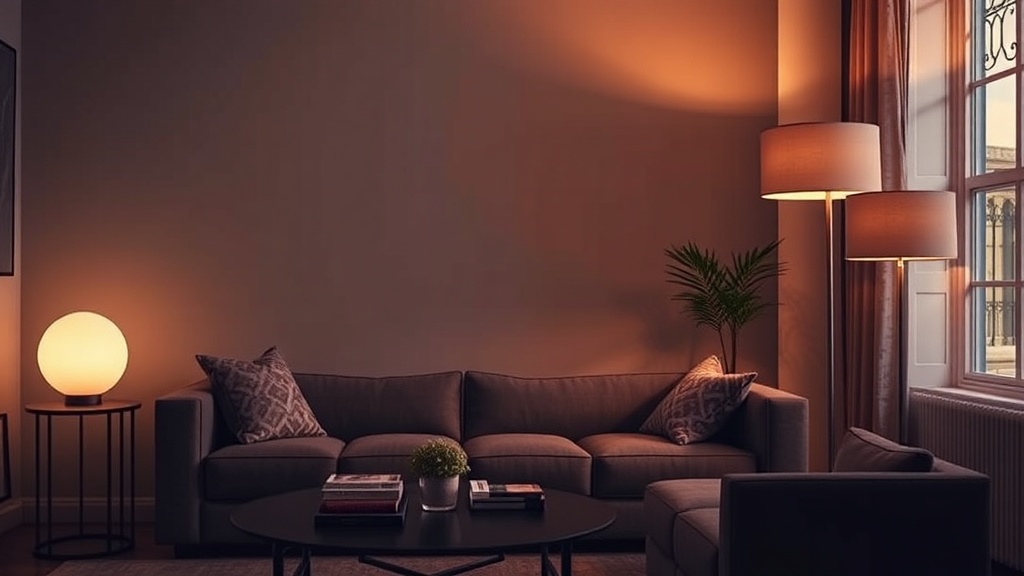
Why You Should Swap Your Small Table Lamps for Tall Floor Lamps

The Problem with Low-Level Lighting
Imagine walking into a living room where every light source is positioned at waist height or lower. You have a small ceramic table lamp on the end table, a tiny lamp on the sideboard, and perhaps a small task lamp on a desk. While these individual pieces might be charming, the collective effect is a room that feels visually "heavy" and cluttered at the bottom. The upper half of the room remains in shadow, making the ceiling feel lower and the overall space feel cramped and uninspired.
This post explains why swapping those small, scattered table lamps for a few strategic, tall floor lamps can instantly elevate your interior design. We will look at how verticality changes the perception of your square footage, how to use height to create "zones" in an open floor plan, and how to select floor lamps that add character without breaking your budget.
Verticality and the Illusion of Height
One of the most effective ways to make a small room feel larger is to draw the eye upward. When you rely solely on table lamps, your visual interest is concentrated in the bottom third of the room. This creates a "weighted" feeling that can make a ceiling feel like it is pressing down on you. A tall floor lamp, especially one with a slender silhouette or a high-reaching arc, forces the eye to travel vertically. This movement creates an illusion of height, making your ceilings feel significantly loftier than they actually are.
Consider the difference between a standard 24-inch table lamp and a 65-inch arched floor lamp. The table lamp stays within your peripheral vision, while the floor lamp cuts through the air, claiming the vertical space. This is a classic designer trick used to manipulate scale. If you are working with a room that has low ceilings, avoid bulky drum shades that sit too close to the ceiling. Instead, look for "arc" styles or thin-stemmed tripod lamps that provide height without creating a visual block.
Creating Functional Zones in Open Concept Living
In modern homes with open floor plans, the lack of physical walls can make a space feel chaotic. Without architectural dividers, your living room, dining area, and entryway often bleed into one another. Using floor lamps instead of table lamps allows you to create "islands" of light that define these zones without the need for heavy furniture or partitions.
For example, if your sofa sits in the middle of a large room, a tall pharmacy-style floor lamp can act as a visual anchor for a reading nook. This creates a dedicated "zone" for relaxation. Similarly, a large arc lamp positioned over a dining table can act as a lightweight "chandelier," defining the eating area without the permanent installation of a ceiling fixture. This is much more cost-effective than hiring an electrician to add a hardwired light, and it offers the flexibility to move the "zone" whenever you rearrange your furniture.
Reducing Visual Clutter on Surfaces
One of the biggest enemies of a beautiful, high-end looking home is "surface clutter." When every side table, console, and coffee table is occupied by a lamp, a candle, a stack of books, and a tray, the room begins to look busy and disorganized. This is especially true in smaller apartments where every inch of surface area is precious.
By moving your lighting from the surfaces to the floor, you reclaim that valuable real estate. A clear side table looks more intentional and expensive. Instead of a lamp taking up space next to your coasters and remote control, you can use that space for a single, beautiful piece of decor or leave it empty for a minimalist look. This transition from "table-top lighting" to "floor-standing lighting" simplifies the visual landscape of your room. If you are looking to declutter other areas, check out our guide on 10 budget-friendly decor hacks that look expensive to see how small changes in surface management can yield big results.
Selecting the Right Floor Lamp for Your Style
Not all floor lamps are created equal. To ensure your new lamp doesn't look like an afterthought, you must choose a style that complements your existing furniture while providing a contrast in height. Here are three common styles and how to use them:
- The Arc Lamp: Best for overhanging a sofa or a sectional. An arc lamp provides "overhead" light without a ceiling mount. It is excellent for adding a sense of drama and luxury. Look for brass or matte black finishes to add a modern touch.
- The Tripod Lamp: These are perfect for adding a sculptural element. Because they have three legs, they feel grounded and architectural. These work beautifully in corners where you want to add texture without adding bulk.
- The Pharmacy Lamp: These are highly functional and have a vintage, industrial feel. They are ideal for task lighting near a reading chair or a desk, providing a focused beam of light that feels sophisticated rather than purely utilitarian.
The Importance of Light Temperature and Quality
A tall lamp is only as good as the light it emits. A common mistake when upgrading to floor lamps is using high-wattage, "cool white" bulbs that cast harsh, clinical shadows. Because floor lamps cast light from a higher vantage point, the shadows they create can be much larger and more dramatic. If your bulb is too bright or too blue, the room will feel cold and unwelcoming.
To achieve a cozy, high-end atmosphere, you must prioritize the color temperature of your bulbs. You want to aim for "Warm White" (usually between 2700K and 3000K). This mimics the soft glow of sunset and makes the textures in your room—like velvet pillows or wooden coffee tables—look much richer. To learn more about optimizing your lighting, read our post on why you should swap your basic white light bulbs for warm tones.
Budget-Friendly Ways to Source High-End Floor Lamps
Since we are on a mission to keep things affordable, you don't need to head to a high-end boutique to find a statement floor lamp. In fact, some of the best pieces are found in the "second-hand" circuit. Here is how to hunt for high-quality lighting on a budget:
- Thrift Store Scavenging: Visit local thrift stores or even large-scale organizations like Goodwill. Look for lamps with interesting silhouettes—even if the shade is ugly or damaged. You can often buy a high-quality metal or wood lamp base for a few dollars and simply replace the shade or the cord.
- Facebook Marketplace and Nextdoor: People often sell large furniture and lighting when they move. Search for terms like "arc lamp," "tripod light," or "mid-century lamp." You can often find designer-adjacent pieces for a fraction of the retail price.
- The "Shade Swap" Technique: If you find a great lamp base but the shade is outdated, don't discard it. Buy a new, modern linen or silk shade from a retailer like Target or IKEA. A fresh shade can make a $5 thrifted lamp look like a $200 piece from a boutique.
Common Mistakes to Avoid
While swapping table lamps for floor lamps is a great move, there are a few pitfalls to watch out for. First, avoid "over-lighting" one side of the room. If you put a massive arc lamp on the left side of your sofa, you must balance it out with something of similar visual weight on the right—perhaps a tall plant or a large piece of art. If you don't, the room will feel lopsided.
Second, watch your cord management. A tall floor lamp comes with a long cord, and a visible black wire running across a light-colored rug can look messy and cheap. Use cord covers that match your baseboard color, or use a decorative basket to hide the coil of the cord at the base of the lamp. A clean, cord-free look is what separates a "DIY" room from a "designed" room.
Finally, ensure your floor lamp doesn't interfere with your "walkways." Because floor lamps have a larger footprint, make sure the base doesn't become a tripping hazard in high-traffic areas. Measure your space before you buy to ensure the arc or the tripod legs won't block your natural movement through the room.
Summary Checklist for Your Lighting Upgrade
Before you head out to shop, use this quick checklist to ensure your new lighting strategy is sound:
- Height: Will this lamp draw the eye upward and create vertical interest?
- Scale: Is the lamp proportional to the furniture nearby? (Avoid tiny floor lamps in large rooms).
- Function: Does the lamp provide the right kind of light (ambient, task, or accent)?
- Temperature: Have I purchased warm-toned bulbs to ensure a cozy atmosphere?
- Balance: If I add this lamp, what will I put on the opposite side of the room to balance the visual weight?