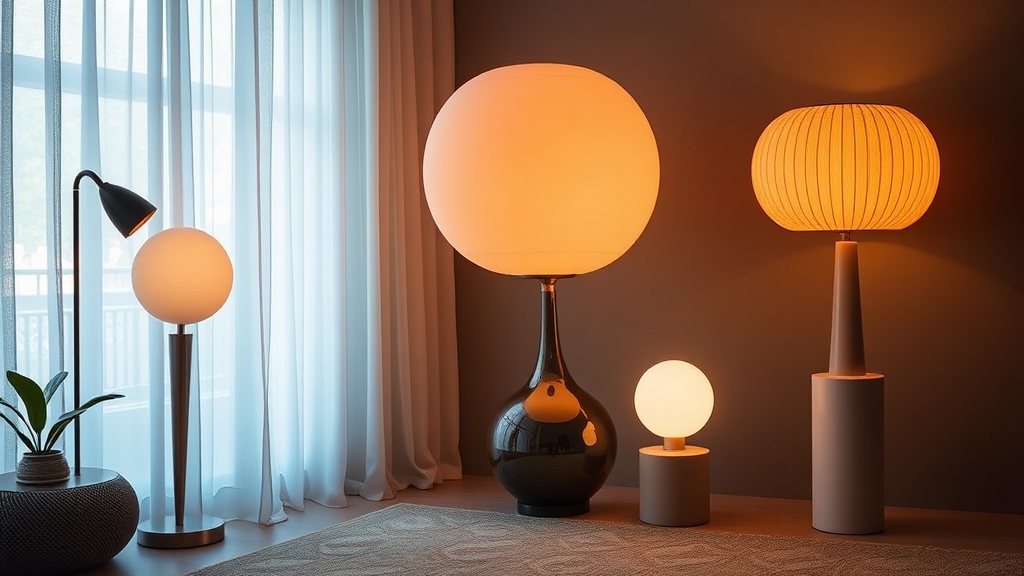
Why You Should Swap Your Basic Table Lamps for Sculptural Lighting

Creating a Focal Point
Adding Texture and Dimension
Setting the Perfect Mood
The Problem with "Safe" Lighting
Most people believe that a lamp's primary job is to provide light, so they buy the most functional, unobtrusive option available. They settle for the standard ceramic base with a tapered shade or the basic metal task lamp found in the clearance aisle of big-box retailers. This is a mistake. While functional, these "safe" choices often leave a room feeling flat, uninspired, and visually predictable. Lighting is not just a utility; it is a sculptural element that dictates the mood and architectural interest of a space. By swapping out basic table lamps for sculptural lighting, you transition your home from looking "furnished" to looking "designed."
Sculptural lighting refers to lamps that possess a distinct silhouette, interesting textures, or unconventional shapes. These are pieces that look like art even when the light is turned off. Whether it is a heavy marble base with a jagged wooden stem or a minimalist glass orb, these pieces act as focal points. This post explores why making the switch to sculptural pieces is the most effective way to elevate your interior design on a budget.
1. It Creates a Visual Anchor in Undersized Spaces
In many living rooms or bedrooms, furniture can feel disconnected or "floaty" if there isn't a strong vertical element to ground it. A basic lamp often disappears into the background, especially if it matches the color of your walls or side table. A sculptural lamp, however, acts as an anchor. Because it has a unique silhouette, it draws the eye and provides a sense of weight to a surface.
For example, if you have a small end table next to a velvet armchair, a standard lamp might look tiny and insignificant. Replacing it with a lamp featuring a heavy, brutalist stone base or an elongated, organic ceramic shape creates a sense of intentionality. This technique is particularly useful in minimalist or Scandinavian-style rooms where the lack of color can sometimes lead to a lack of depth. Instead of adding more color, add a shape that breaks the straight lines of your furniture.
2. It Adds Texture Without the Clutter
One of the hardest things to achieve in interior design is "texture" without making a room feel cluttered. Many decorators try to add texture through small trinkets, but this often results in a messy-looking surface. Sculptural lighting allows you to introduce texture through a single, large-scale object. This is a much cleaner way to add visual interest.
Consider the difference between a smooth, white plastic lamp and a lamp with a hand-carved wooden base or a pleated linen shade. The pleated shade adds a rhythmic, tactile element to the room, while the carved wood provides an organic, earthy feel. If you are working with a neutral color palette, look for lamps that utilize materials like:
- Travertine or Alabaster: These provide a natural, stone texture that feels luxurious and permanent.
- Woven Rattan or Cane: These add a warm, artisanal quality that works well in coastal or bohemian setups.
- Hammered Metal: This creates a play of light and shadow that feels much more sophisticated than smooth brass or chrome.
If you find yourself struggling with a room that feels "too flat," remember that you can also swap basic bedding for textured linen to complement the organic shapes of your new lighting, creating a cohesive, tactile environment.
3. It Acts as "Art When Off"
The biggest flaw with standard lighting is that it becomes "dead weight" during the day. A basic lamp often looks like an afterthought when the sun is up. A sculptural lamp, however, functions as a piece of art. It occupies the space with intention. When you are not using the lamp for task lighting, it serves as a sculptural object that complements your decor.
Think of a lamp with an oversized, asymmetrical glass shade or a base made of an interesting piece of driftwood. Even in the bright light of midday, that object is doing work for your room. This is a highly efficient way to decorate because you are essentially getting two items for the price of one: a functional light source and a decorative sculpture. This approach is especially helpful in entryways or on mantels, where a single, striking piece is more effective than several small, uncoordinated items.
4. It Controls the Mood Through Shadow Play
Basic lamps often provide a uniform, somewhat sterile light. While this is fine for a desk, it is rarely ideal for a relaxing living area. Sculptural lighting often involves more interesting shade materials and shapes, which directly impacts the way light is distributed. This creates "shadow play"—the intentional use of light and dark to create depth.
A lamp with a perforated metal shade or a heavily textured fabric shade will cast intricate patterns on your walls and ceiling. This softens the edges of the room and creates a more intimate, high-end atmosphere. Instead of the harsh, direct light of a standard LED bulb, sculptural pieces encourage a more diffused, ambient glow. This is the difference between a room that feels like an office and a room that feels like a sanctuary.
5. It Breaks Up Linear Repetition
Most modern homes are full of straight lines: rectangular windows, square coffee tables, flat-screen TVs, and rectangular rugs. While this provides a sense of order, too many straight lines can make a room feel rigid and sterile. Sculptural lighting introduces organic, curved, or irregular shapes that break up this repetition.
Look for lamps with "S" curves, circular or spherical elements, or bases that mimic natural forms like stones or branches. A round, globe-style lamp on a rectangular sideboard immediately softens the look of the furniture. This creates a more balanced visual rhythm. If you are looking to soften your space further, you might also consider swapping small rugs for large area rugs to ground the room with a broader, more continuous texture.
How to Source Sculptural Lighting on a Budget
The term "sculptural" might sound expensive, but you do not need a designer budget to find these pieces. In fact, some of the best sculptural lighting is found in places where people aren't looking for "art." Here is how to find high-end looks for much less:
- Thrift Stores and Estate Sales: Look for vintage ceramic vases or interesting wooden objects. Often, a beautiful, heavy vintage vase can be converted into a lamp simply by purchasing a "lamp kit" from a hardware store and adding a basic cord and bulb.
- Antique Malls: These are goldmines for heavy, stone, or brass bases that have the weight and presence required for a sculptural piece.
- Estate Sales: Look for mid-century modern pieces. The MCM movement was obsessed with organic shapes and sculptural forms, making it easy to find high-quality lighting that fits this description.
- The "Base and Shade" Method: Do not feel limited to buying a complete lamp. Buy a beautiful, heavy object (like a large piece of pottery or a carved wooden bowl) and pair it with a high-quality, textured shade. This allows you to customize the height and silhouette to fit your specific space.
"Design is not about how much you spend, but how much thought you put into the shapes and textures within a space."
Final Thoughts on Lighting Strategy
When you shop for your next lamp, stop asking, "Does this provide enough light?" and start asking, "What shape does this add to the room?" If the answer is "none," skip it. A home filled with functional but boring lighting will always feel unfinished. By investing in—or hunting for—sculptural pieces, you add depth, texture, and a sense of curated art to your living spaces. It is one of the simplest, most impactful upgrades you can make to your interior design toolkit.