Why You Should Swap Your Small Rugs for Large Area Rugs

A living room features a standard three-seater sofa, two accent chairs, and a coffee table. In the center of the arrangement sits a small 5x7 rug that barely reaches the front legs of the furniture. The room feels disjointed, the furniture looks like it is floating in a sea of hardwood, and the space lacks a sense of cohesion. This is a common design mistake that makes even high-end furniture look cheap or poorly placed. This post explains why upgrading to a larger area rug is the most effective way to anchor your rooms, define your zones, and make a small budget look like a million dollars.
The Visual Impact of Scale
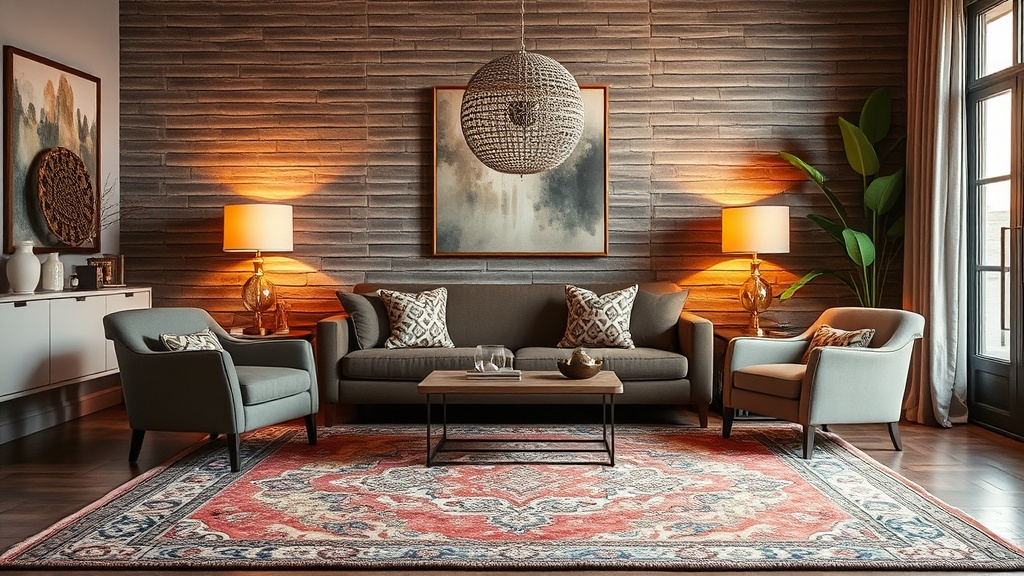
In interior design, scale and proportion are everything. When you use a rug that is too small, you create a "floating" effect where the furniture looks disconnected from the floor. A large area rug acts as a visual anchor, pulling all the individual pieces of furniture together into one unified grouping. Instead of seeing a collection of separate items, the eye sees a single, intentional conversation area.
Think of a rug as the foundation of a room, much like the foundation of a house. If the foundation is too narrow, the structure above it feels unstable. A larger rug provides a sense of permanence and stability. For example, in a living room, a rug that is large enough to go under the front legs of all seating—or even all four legs of the furniture—creates a sense of luxury and completeness that a small accent rug simply cannot achieve.
Defining Zones in Open Floor Plans
If you live in a modern home or an apartment with an open floor plan, you likely face the challenge of defining different "rooms" without using walls. Without physical barriers, a living area can bleed into a dining area or a home office, creating a cluttered, disorganized feeling. Large area rugs are the most effective tool for "zoning" these spaces.
By placing a large 8x10 or 9x12 rug under your dining table, you create a clear boundary that says, "This is the dining zone." Similarly, a large rug in the living area tells the eye, "This is the relaxation zone." This visual separation is crucial for making an open space feel organized and intentional rather than just a large, empty room. If you are working with a smaller budget, you can often find these larger dimensions at thrift stores or liquidators, which is much more effective than buying several small, cheap runners that clutter the floor.
How to Choose the Right Size for Your Space
Choosing the right size requires a bit of math and a clear understanding of your furniture layout. You want to avoid the mistake of buying a rug that is just a slightly larger version of your current one. To truly transform the space, you need to commit to a size that accommodates your furniture arrangement.
The Living Room Rule of Thumb
For a standard living room, there are three main ways to position your rug relative to your furniture:
- The All-Legs-On Method: This is the most high-end look. Every piece of furniture—the sofa, the coffee table, and the accent chairs—sits entirely on the rug. This requires a very large rug, typically 9x12 or 10x14, but it creates the most cohesive and luxurious feel.
- The Front-Legs-On Method: This is the most common and practical approach. The front legs of your sofa and chairs sit on the rug, while the back legs rest on the floor. This creates a sense of connection without requiring a massive rug. An 8x10 is usually the minimum size for this layout.
- The Coffee Table Only Method: This is the minimum requirement. The rug is large enough that the coffee table sits in the center, and the rug extends out under the front legs of the seating. Avoid the mistake of having a rug that only sits under the coffee table with no furniture touching it; this looks like an afterthought.
The Dining Room Requirement
In a dining room, the rules are even stricter because of the movement involved in sitting and standing. A rug that is too small will cause your dining chairs to catch on the edge of the rug every time someone pulls them out to sit down. This is not only annoying but can also damage the rug fibers and the chair legs.
To calculate the perfect size, measure your dining table and then add at least 24 to 30 inches of rug on all sides. This ensures that when a person pushes their chair back, the back legs remain securely on the rug. If you have a 60-inch rectangular table, you should look for a rug that is at least 8 feet wide to ensure functionality and comfort.
Budget-Friendly Ways to Source Large Rugs
The biggest deterrent to buying a large rug is the price tag. High-end retailers often charge thousands for a 9x12 wool rug, which can break a decorating budget. However, a resourceful decorator knows that size doesn't have to mean a high price. Since the rug is a large surface area, it is one of the best places to use "high-low" styling—pairing a larger, more affordable piece with smaller, more expensive accents.
Instead of looking for a small, expensive silk rug, look for a large, affordable jute or sisal rug. These natural fibers are incredibly durable, add much-needed texture to a room, and are significantly cheaper than patterned wool or synthetic rugs. You can then layer a smaller, patterned rug on top of the jute for a designer look. This technique allows you to cover a large area for a fraction of the cost of a single large patterned rug.
Another excellent strategy is to check local estate sales or thrift stores. Because large rugs are heavy and difficult to transport, many people sell them for very low prices when they move. When searching, look for high-quality materials like cotton or wool, even if the pattern is dated. You can always use a rug cleaner or a professional service to refresh a used rug, making it look brand new in your space.
Texture and Layering Techniques
If you find a beautiful, high-quality rug that is a bit too small for your room, don't discard the idea. Use the layering technique. Place a large, neutral-colored rug (like a plain jute or a low-pile solid color) across the entire floor area first. Then, place your smaller, more decorative rug on top of it. This gives you the visual scale of a large rug with the aesthetic interest of a smaller one, all while keeping costs down. This approach works exceptionally well in living rooms where you want to add warmth and depth.
Common Mistakes to Avoid
While upgrading to a larger rug, keep these common pitfalls in mind to ensure your room looks professionally designed:
- Ignoring the "Floating" Furniture: Do not leave a large gap of bare floor between the rug and your furniture. This breaks the visual connection and makes the room feel fragmented.
- Choosing Patterns That Are Too Busy: In a large room, a very small-scale, intricate pattern can become overwhelming and visually noisy. For larger rugs, opt for medium-to-large scale patterns or solid textures to maintain a sense of calm.
- Neglecting the Scale of Other Decor: If you move to a larger rug, you may also need to adjust the scale of other items. For instance, if you are using a large rug to ground a seating area, you might find that small throw pillows look even smaller and more insignificant by comparison.
- Forgetting About Rug Pads: A large rug can easily slide or bunch up, which is a safety hazard and looks messy. Always invest in a rug pad. It adds a layer of cushioning, protects your floors, and keeps the rug perfectly in place.
By prioritizing scale and investing in a larger area rug, you are making a fundamental change to the architecture of your room. You are moving away from "decorating" and toward "designing." Whether you are sourcing a high-quality piece from a thrift store or layering a textured jute rug with a patterned accent, the result will be a space that feels grounded, intentional, and much more expensive than it actually is.