Why You Should Swap Your Basic White Bedding for Textured Linen

Visual Depth and Texture
Breathability and Temperature Control
The Effortless 'Lived-In' Aesthetic
Long-Term Durability and Softness
A guest walks into a bedroom featuring a crisp, white cotton sheet set and a standard down comforter. The room looks clean, but it feels sterile, almost like a hotel room that hasn't been lived in. A few minutes later, they enter a room with a heavy linen duvet in a soft oatmeal hue, layered with a waffle-knit throw and a few textured linen sham pillows. The second room feels intentional, warm, and high-end, even if the pieces were sourced from a local thrift store. This difference in "vibe" isn't about the price tag; it is about the tactile depth of your textiles. Switching from flat, basic white bedding to textured linen is one of the fastest ways to elevate your bedroom from a mere sleeping quarters to a curated sanctuary.
In this guide, we are breaking down exactly why texture matters more than color when it comes to bedding, how linen improves your sleep quality, and how you can source high-quality textured pieces without breaking your budget.
The visual depth of texture over color
One of the biggest mistakes people make when trying to create a "designer" look is relying solely on color palettes. You can have a perfectly coordinated color scheme, but if every surface is smooth and flat, the room will lack dimension. This is where the "flatness" of basic white cotton fails. White cotton sheets are designed to be smooth and uniform, which often results in a visual "void" in the center of the bed.
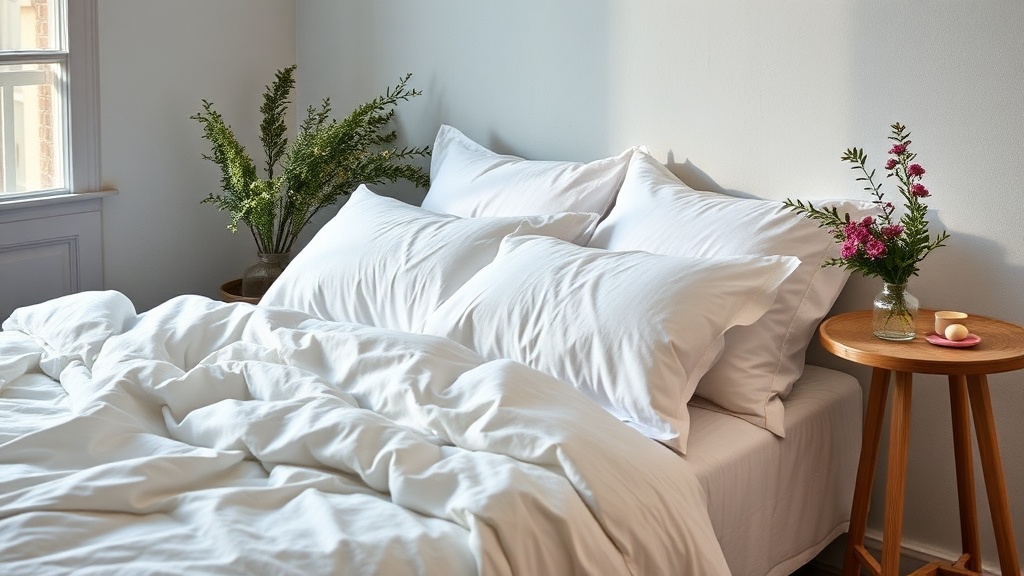
Textured linen, however, introduces micro-shadows and highlights. Because linen has a natural, slightly irregular weave, it catches the light differently throughout the day. In the morning, as sunlight hits the bed, the ridges of the fabric create subtle shadows that give the bed a three-dimensional appearance. This makes the bed look "fuller" and more inviting. If you are working with a monochromatic room, texture becomes your primary tool for creating interest. Instead of adding more colors, you add layers of linen, hemp, or heavy cotton weaves to keep the eye moving.
Improved breathability and temperature regulation
Beyond the aesthetics, there is a functional reason to make the switch: thermoregulation. Basic cotton bedding, particularly high-thread-count sateen, can often feel heavy or even "sweaty" because the tight weave traps heat against the body. Linen is a highly breathable fiber that excels at moisture wicking. It can absorb up to 20% of its weight in moisture before feeling damp, making it the ideal choice for both hot sleepers and those who experience night sweats.
The structure of linen fibers allows for better airflow around the body. While cotton can feel limp and clingy, linen maintains a certain level of structural integrity that keeps the fabric slightly away from the skin. This creates a micro-climate of air around you while you sleep, helping to keep your core temperature stable. If you find yourself constantly flipping the pillow to the "cool side" during the night, your fabric choice is likely the culprit.
The beauty of the "lived-in" look
A major hurdle for many decorators is the fear of imperfection. People often spend hours smoothing out their white cotton sheets to ensure there isn't a single wrinkle, only to have the bed look messy ten minutes after sitting on it. Linen embraces this reality. One of the hallmarks of high-quality linen is its tendency to wrinkle naturally. Rather than looking messy, these wrinkles are seen as a sign of luxury and comfort. This is often referred to as the "relaxed" or "lived-in" look.
This characteristic makes linen much more practical for a real home. You don't need to spend an hour ironing your duvet cover every morning. In fact, the more you use linen, the softer and more supple it becomes. This "aging gracefully" quality is something you rarely see with basic cotton or synthetic blends, which tend to look worn out or pilled over time. Embracing a textured, slightly wrinkled linen set allows your bedroom to feel like a real, comfortable space rather than a showroom display.
How to layer textures effectively
To truly master the look of a high-end bed, you shouldn't just swap the sheets; you should layer different types of textures. A single linen duvet cover is a great start, but adding complementary textures will create that professional, layered appearance. Here is a foolproof way to build a textured bed:
- The Base Layer: Start with a high-quality linen fitted sheet. This provides the foundational texture against your skin.
- The Middle Layer: Add a linen duvet cover. For extra depth, look for a "stonewashed" linen, which has a slightly more rugged, matte texture.
- The Accent Layer: Introduce a different weave, such as a waffle-knit cotton throw or a chunky knit blanket at the foot of the bed. This contrast between the smooth linen and the heavy knit adds significant visual weight.
- The Pillow Stack: Don't just use standard pillowcases. Mix your linen pillow shams with different shapes. For example, if you are using oversized throw pillows, ensure they have a heavy, textured fabric like velvet or a thick linen canvas to provide a sturdy backdrop for your sleeping pillows.
Sourcing high-quality linen on a budget
The most common objection to linen is the price. High-end linen brands can be incredibly expensive, but there are several ways to get the look without the luxury markup. Because linen is a durable, long-lasting fiber, it is actually a great investment for those who shop smart.
Shop the Thrift Stores: Look for high-quality linen tablecloths or even vintage linen curtains in the home goods section of your local Goodwill or Salvation Army. A high-quality linen tablecloth can often be repurposed as a lightweight summer throw or even a decorative bed runner. Because linen is so durable, even older pieces often have a beautiful, soft patina that looks intentional.
The "Off-Season" Strategy: Many big-box retailers like Target or West Elm will discount their linen collections at the end of the summer or the end of winter. Since linen is a year-round fabric (it's breathable for summer but can be layered for warmth in winter), you can often find deep discounts if you buy outside of the peak seasons.
Focus on the Duvet First: If you can't afford a full linen set, invest in a linen duvet cover first. The duvet is the largest visual element on the bed and will do 90% of the heavy lifting in terms of transforming the room's aesthetic. You can continue to use your existing cotton sheets underneath, and the linen cover will still provide the necessary texture and visual interest.
Maintenance tips for linen bedding
To keep your textured bedding looking its best, you need to adjust your laundry habits. Unlike delicate silks, linen is quite hardy, but it does benefit from specific care to maintain its softness.
- Avoid Fabric Softeners: It sounds counterintuitive, but fabric softeners can actually coat the fibers and reduce the natural breathability of linen. Instead, use a small amount of white vinegar in the rinse cycle to help soften the fabric naturally.
- Wash in Cool Water: To prevent excessive shrinking and to preserve the integrity of the fibers, wash your linen in cool or lukewarm water.
- Air Dry When Possible: If you have the space, hang your linen to dry. This helps maintain the natural texture. If you must use a dryer, use a low-heat setting and remove the items while they are still slightly damp to prevent them from becoming overly stiff.
By moving away from the flat, predictable look of basic white cotton and embracing the organic, tactile world of linen, you are doing more than just changing your decor. You are investing in a better sleep environment and a more sophisticated aesthetic that feels both expensive and effortless. Whether you are sourcing a vintage piece from a thrift shop or investing in a new duvet cover, the addition of texture is the single most effective way to upgrade your bedroom today.