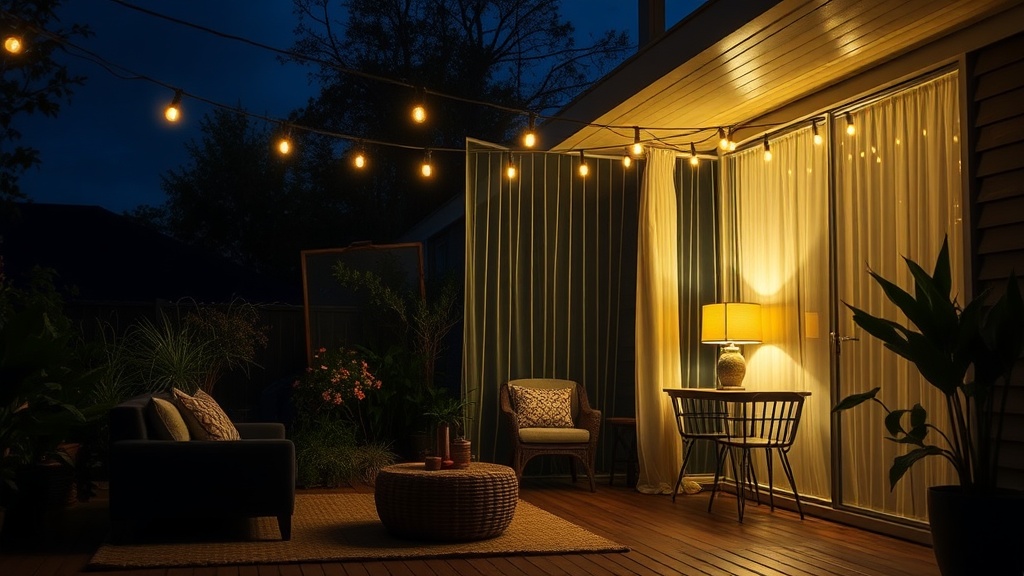
Low-Cost Lighting Hacks to Create a Moody Sanctuary at Night

Research from the Lighting Institute suggests that nearly 80% of residential lighting is purely functional, often relying on harsh, overhead "big lights" that strip a room of its character. While most people invest heavily in expensive designer lamps to change a room's vibe, the secret to a high-end, moody sanctuary lies not in the cost of the fixture, but in the strategic manipulation of light temperature, placement, and shadow. Creating a sanctuary at night is about moving away from clinical illumination and toward a layered, intentional glow that mimics the soft ambiance of a boutique hotel or a high-end lounge.
The Science of Warmth: Kelvin and Lumens
Before purchasing a single lamp, you must understand the technical specifications found on the back of every lightbulb box. To create a moody, sanctuary-like atmosphere, you must prioritize Color Temperature, measured in Kelvin (K). Standard "Daylight" bulbs range from 5000K to 6500K, which produces a blue-toned light that mimics high noon and triggers alertness. This is the enemy of relaxation. For a cozy, evening retreat, aim for bulbs between 2200K and 2700K. This "Warm White" or "Extra Warm" spectrum mimics the amber glow of candlelight and signals to your brain that it is time to wind down.
Furthermore, pay attention to Lumens rather than Watts. Watts measure energy consumption, while Lumens measure brightness. In a moody sanctuary, you want low-lumen output. Instead of a 100-watt equivalent bulb, look for LED options that provide only 200 to 400 lumens. This ensures the light is a soft accent rather than a blinding glare. When shopping at big-box retailers like Home Depot or Target, look specifically for the "Soft White" or "Warm Glow" labels to ensure consistency across your rooms.
Layering Light: The Three-Tier Rule
A single light source creates flat, uninspiring spaces. To achieve depth, you must implement a three-tier lighting system: ambient, task, and accent lighting. In a budget-friendly setup, this doesn't mean buying three expensive lamps; it means repurposing what you have or finding low-cost alternatives.
1. Ambient Lighting (The Base Layer)
Ambient lighting provides the overall illumination for the room, but for a moody sanctuary, this should be the dimmest layer. Avoid using the central ceiling fixture. Instead, use a floor lamp with a fabric shade to diffuse light. A linen shade, for example, softens the light more effectively than a plastic or metal one. If you have a ceiling fixture that feels too bright, swap the standard bulbs for smart bulbs like the Philips Hue or even more affordable Govee alternatives. This allows you to dim the brightness via a smartphone app, instantly shifting the room's energy without installing a new dimmer switch.
2. Task Lighting (The Functional Glow)
Task lighting is traditionally used for reading or cooking, but in a sanctuary, it serves as a way to draw the eye to specific zones. Place a small, rechargeable LED cordless lamp on a side table or a bookshelf. These are incredibly useful because they don't require a nearby outlet, allowing you to place light exactly where you need it. A great trick is to use a vintage brass pharmacy lamp—often found for under $10 at local thrift stores—to create a focused, warm pool of light for your reading nook.
3. Accent Lighting (The Mood Maker)
Accent lighting is where the magic happens. This is the light used to highlight architectural features or decorative objects. Instead of a standard lamp, use small battery-operated puck lights or LED strips hidden behind furniture. If you have a beautiful piece of art or a textured wall, place a small spotlight at the base to cast shadows upward. For a more organic feel, use "fairy lights" or copper wire lights tucked inside a glass vessel. This technique turns a simple container into a glowing sculpture.
The Art of Hiding the Source
The most sophisticated lighting design often makes the light source invisible. If you can see the bulb, the effect is often too harsh. To achieve a professional look, you must master the art of "indirect lighting." This involves bouncing light off surfaces rather than pointing it directly at your eyes.
- The Up-Lighting Technique: Place a small, inexpensive spotlight on the floor behind a large potted plant, such as a Monstera or a Fiddle Leaf Fig. The light will hit the leaves and cast dramatic, organic shadows on your walls, creating a sense of movement and depth.
- The Bookshelf Glow: Instead of a lamp sitting on top of a shelf, tuck small, battery-operated LED "puck" lights behind your books or decorative objects. This creates a backlit effect that makes your shelving look curated and expensive.
- The Mirror Bounce: Position a small lamp or a candle near a mirror. The reflection will double the light output without increasing the brightness, making the room feel larger and more luminous.
If you are working with a space that has plain walls, you can enhance these light-and-shadow effects by adding texture. For instance, transforming drab windows with peel-and-stick molding can create beautiful shadows when light passes over the raised edges, adding a layer of architectural interest that costs very little.
Repurposing Thrifted Finds for High-End Ambiance
You do not need to visit a high-end lighting boutique to find statement pieces. Some of the best lighting for a moody sanctuary comes from the "junk" section of your local thrift store. I often look for items that have a unique silhouette but perhaps a dated finish.
Upcycling Glassware
Glassware is one of the most versatile tools for lighting. An old, amber-colored glass decanter or a heavy crystal vase can become a stunning centerpiece when paired with a tea light or a small LED string. The way light refracts through textured glass creates a mesmerizing pattern on your tabletop. If you have old jars lying around, consider upcycling old glass jars into elegant textured vases; once you add a warm light source inside or behind them, the texture becomes a focal point of the room.
Elevating Metal Accents
Metal reflects light beautifully, but silver can sometimes feel too "cool" for a cozy sanctuary. Instead, look for brass or gold-toned items. Brass has a natural warmth that complements low-Kelvin bulbs perfectly. A thrifted brass tray can act as a reflector for a candle, amplifying the glow. To make even older pieces look intentional, use a bit of metal polish or even a simple mixture of lemon and baking soda to bring back the luster. The magic of thrifted brass is that it adds a sense of history and weight to a room, making a budget-friendly space feel much more established and luxurious.
Common Mistakes to Avoid
Even with the best intentions, it is easy to fall into a few common lighting traps that can ruin a moody atmosphere. Avoid these three pitfalls to ensure your sanctuary remains peaceful:
- The "Blue Light" Trap: Never use "Cool White" or "Daylight" bulbs in a bedroom or living area intended for evening relaxation. Even if the lamp looks pretty, the color temperature will disrupt your circadian rhythm and make the room feel clinical.
- Over-Reliance on Overhead Lighting: If your first instinct is to reach for the ceiling switch, stop. A well-designed room should be able to function entirely with floor, table, and accent lamps. If you must use the ceiling light, ensure it is on a dimmer.
- Cluttering the Light Path: Be careful not to place large objects directly in front of your light sources in a way that creates "dead zones." You want soft transitions between light and shadow, not harsh, blocked-out patches of darkness.
Creating a moody sanctuary is an exercise in restraint. It is about choosing where to draw the eye and where to leave the room in shadow. By focusing on warm Kelvin temperatures, layering different light sources, and utilizing thrifted, textured objects, you can transform any standard room into a high-end retreat without spending a fortune.