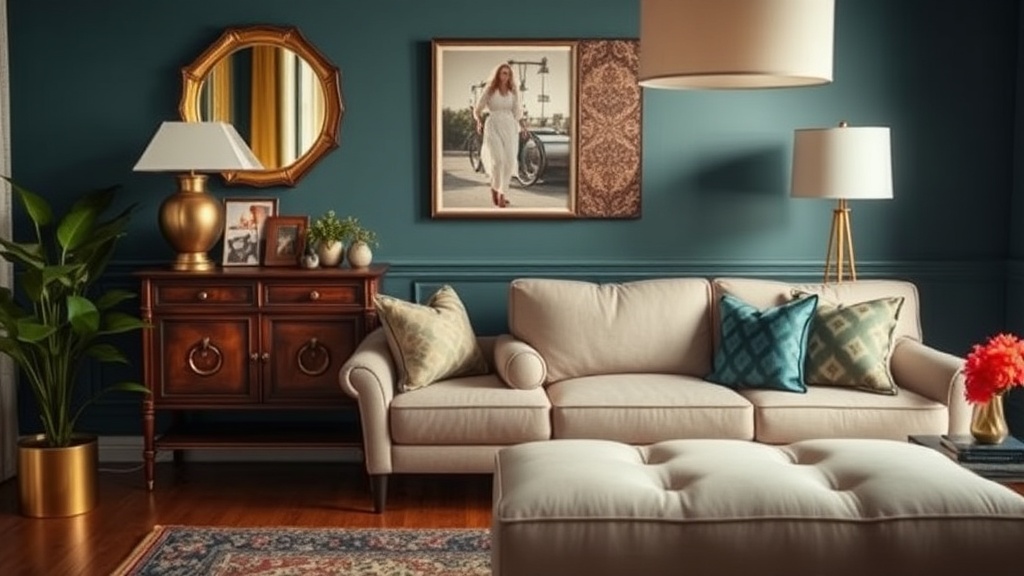
How to Create a High-End Look with Thrifted Brass Accents

The Golden Touch: How to Create a High-End Look with Thrifted Brass Accents
There is a specific kind of magic that happens when you walk into a thrift store and spot that unmistakable glint of gold tucked behind a dusty ceramic lamp. To the untrained eye, it might look like outdated, tarnished junk. But to a decorator, that glint is a sign of potential. It is the promise of a high-end, polished aesthetic that can be achieved for a fraction of the retail price.
Growing up, my parents were masters of the "repurpose and reuse" philosophy. They didn't see an old, scratched metal pitcher as trash; they saw it as a potential centerpiece. They taught me that luxury isn't about how much you spend, but about the intentionality you bring to your materials. Today, I use that same philosophy to hunt for brass. Brass is the secret weapon of the budget-conscious decorator because it adds warmth, weight, and a sense of history to a room—qualities that are often missing in modern, mass-produced decor.
In this guide, I am going to walk you through how to identify, clean, and style thrifted brass to make your home look like it belongs in a high-end design magazine. If you are new to this, you might want to start by reading my deep dive on the magic of thrifted brass to understand the basic fundamentals of why this metal is so versatile.
Identifying Quality: Real Brass vs. Gold-Plated
The first rule of thrifting brass is knowing what you are actually looking at. There is a significant difference between solid brass and gold-plated items, and it affects how you treat them. Gold-plated items are often made of a base metal (like steel or zinc) with a very thin layer of gold or brass on top. If you scrub these too hard, you will strip the finish and reveal the dull metal underneath, which is a heartbreak you want to avoid.
How to test your finds:
- The Weight Test: Solid brass is heavy. If you pick up a candlestick and it feels surprisingly light or "hollow," it is likely a lightweight alloy or plated metal.
- The Magnet Test: This is my favorite trick. Bring a small magnet with you to the thrift store. If the magnet sticks to the item, it is a base metal with a coating. If it doesn't stick, you likely have a high-quality brass or copper piece.
- The Scratch Test: Look at the bottom or a non-visible area. If you see a different color metal peeking through a scratch, it is plated.
When you find high-quality, solid brass, you have found a lifelong piece of decor. These items can be polished, aged, or even chemically treated to change their patina, making them much more versatile than their plated counterparts.
The Art of the Polish: Restoring the Glow
Once you bring your thrifted treasures home, the real work begins. Most thrifted brass will arrive with a heavy patina—a dark, oxidized layer that can look either "vintage chic" or just plain "dirty." Your choice depends on the vibe of your home.
Option 1: The High-Shine Polish (For a Glamorous Look)
If you want your brass to look like a luxury hotel accent, you need a high shine. You don't need to buy expensive, specialized cleaners. A simple mixture of lemon juice and baking soda works wonders. The acidity of the lemon breaks down the oxidation, while the baking soda acts as a gentle abrasive. Apply the paste, let it sit for a few minutes, and scrub gently with a soft cloth. Rinse thoroughly and buff with a dry microfiber cloth to achieve that mirror-like finish.
Option 2: The Intentional Patina (For a Moody or Traditional Look)
Sometimes, a bright, shiny gold can look too "new" and clash with a curated space. If you want a more lived-in, antique feel, leave the tarnish alone or use a very mild cleaner to even out the color without removing the depth. This works beautifully when you are trying to create a moody maximalist gallery wall, where the aged metal adds a sense of history and weight to the composition.
Styling Strategies for a High-End Result
Finding the piece is only half the battle; the other half is knowing how to place it so it looks intentional rather than cluttered. The key to a high-end look is intentionality and layering.
1. The Rule of Three and Varying Heights
When styling a coffee table or a mantel, never just place one brass item alone. Grouping items in odd numbers—specifically threes—is a fundamental design principle. Mix your brass with other textures. For example, place a tall, slender brass candlestick next to a low, heavy ceramic bowl and a medium-sized wooden tray. This creates visual interest through varying heights and textures.
2. Use Brass as a "Connector"
Brass is an excellent tool for tying disparate elements of a room together. If you have a room with a lot of organic textures—like linen curtains, jute rugs, or wooden furniture—the metallic sheen of brass provides a necessary "pop" that elevates the space from rustic to sophisticated. You can see this principle in action when decorating outdoor spaces; for instance, adding brass lanterns can help transform your patio into a Mediterranean oasis by adding a touch of warmth to the natural greenery.
3. Lighting and Reflection
Brass is a reflective material, which means it interacts with light. To maximize the high-end feel, place your brass accents near light sources. A brass tray on a dining table will catch the light from a nearby candle, while brass frames on a bookshelf will reflect the natural light from a window. This adds a sense of movement and "glow" to the room that matte materials simply cannot achieve.
Where to Incorporate Brass Accents
If you are feeling overwhelmed by where to start, think about the "functional touchpoints" of your home. These are the areas where small changes make a big impact.
Common Mistakes to Avoid
While I am a huge advocate for the thrifted look, there is a fine line between "curated vintage" and "cluttered antique shop." Avoid these common pitfalls:
- Over-accessorizing: It is tempting to buy every brass item you see, but too much metal can make a room feel heavy and dated. Treat brass as an accent, not the main event.
- Ignoring the Scale: A tiny, thin brass figurine will get lost on a large dining table. Ensure your pieces are proportional to the furniture they are sitting on.
- Mixing Too Many Finishes: While mixing metals is a high-level design skill, if you are just starting out, try to keep your brass tones somewhat consistent. Mixing a bright, yellow-gold brass with a dark, brownish-bronze brass can look messy if there isn't a clear intention behind it.
Decorating with thrifted brass is about more than just saving money; it is about finding beauty in the overlooked and giving new life to the old. It requires a bit of patience, a bit of elbow grease, and a keen eye, but the result is a home that feels storied, expensive, and—most importantly—uniquely yours. Happy hunting!