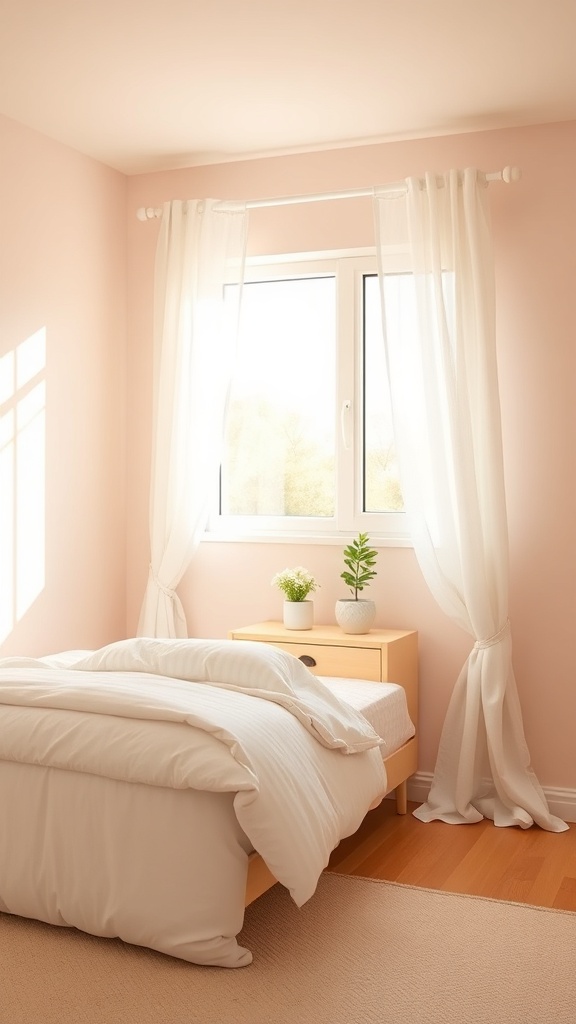
Spring Bedroom Refresh on a Budget — 5 Easy Ways to Align Your Space with Your Circadian Rhythm

Hook: Ever wake up feeling like you’ve been hit by a truck, even after a full night’s sleep? Your bedroom might be sabotaging your rest.
Context: Spring is the perfect time to give your bedroom a fresh look, but you don’t need a massive budget to make it work for your body’s natural sleep‑wake cycle.
What is a circadian‑friendly bedroom?
Your circadian rhythm is the internal clock that tells your body when to be alert and when to wind down. By tweaking lighting, colors, textiles, and layout, you can cue your brain to sync with daylight, boosting sleep quality without spending a fortune.
1. Light it Right — Budget‑Friendly Lighting Hacks
- Swap to warm‑tone bulbs: Choose 2700‑3000 K bulbs for bedside lamps. They’re $5‑$8 at Home Depot and mimic sunset.
- Add a sunrise alarm lamp: A $12 “gradual sunrise” lamp (e.g., TaoTronics) eases you out of sleep.
- Use sheer curtains: White or pastel sheer curtains let morning light filter in while keeping privacy. Thrift stores often have them for under $5.
Tip: Check out our 5 Budget Lighting Hacks Under $15 to Brighten Any Space for more ideas.
2. Choose Sleep‑Supporting Colors
Research from Harvard Health Publishing shows that cool blues and soft greens promote relaxation, while bright yellows can be overstimulating at night. Paint a feature wall in a muted sage or dusty blue for $10‑$15 per gallon at a local hardware store.
- DIY paint hack: Mix a small amount of white paint with your chosen color to stretch the paint further and keep costs low.
- Accent with textiles: Add a thrifted pastel throw pillow or a budget‑friendly duvet cover ($12‑$20 on Etsy) to reinforce the calming palette.
3. Optimize Your Layout for Natural Light
- Position the bed near a window: This lets you soak up morning sunlight, which resets your internal clock.
- Avoid heavy furniture blocking windows: Swap a bulky nightstand for a slim, reclaimed‑wood side table ($8‑$12 on Craigslist).
- Create a “reset zone”: A small reading nook with a floor lamp and a plant can become a daytime sanctuary that signals wakefulness.
4. Add Greenery for Air Quality and Calm
Plants like snake plants or pothos thrive in low light and improve indoor air quality, which can enhance sleep. A $5‑$7 pothos from a local nursery does the trick.
- DIY plant stand: Upcycle an old wooden crate (often free from free‑cycle groups) into a chic plant stand.
5. Keep the Bedroom Clutter‑Free
Clutter can increase stress, making it harder to unwind. Use simple storage hacks:
- Dollar Tree drawer organizers ($1 each) keep night‑stand items tidy.
- Floating shelves (often $10‑$15 at IKEA) provide space for books without taking floor area.
Related: Our post on Daylight Saving Time Shift: 5 Easy Habits to Reset Your Rhythm dives deeper into how light exposure influences sleep.
Takeaway
You don’t need a designer budget to turn your bedroom into a circadian‑friendly sanctuary. By adjusting lighting, color, layout, greenery, and clutter, you’ll notice better sleep and a brighter start to your spring days—all for under $50.
Meta
- Excerpt: Refresh your bedroom this spring with five budget‑friendly tweaks—lighting, color, layout, plants, and clutter control—to sync your space with your circadian rhythm and boost sleep quality.
- Tags: spring, budget bedroom, circadian rhythm, DIY, sleep
- Categories: smart-buying
- Slug: spring-bedroom-circadian
FAQ Schema
{
  "meta": {
    "faqs": [
      {"question": "How does bedroom lighting affect my sleep?", "answer": "Warm‑tone bulbs and gradual sunrise alarms mimic natural light, helping your body produce melatonin at night and wake up refreshed."},
      {"question": "What colors are best for a sleep‑friendly bedroom?", "answer": "Soft blues, greens, and muted neutrals create a calming environment, while bright yellows can be overstimulating after dark."},
      {"question": "Can plants really improve my sleep?", "answer": "Yes—plants like snake plants and pothos improve air quality and reduce stress, both of which support better sleep."}
    ]
  }
}