Why You Should Swap Your Plastic Rug for a Jute or Sisal One

The Problem with Synthetic Rugs
Many homeowners believe that a low-cost, synthetic polypropylene or "plastic" rug is the smartest investment for high-traffic areas because it is easy to clean and virtually indestructible. While these rugs are certainly durable, they often lack the texture, breathability, and aesthetic depth that elevate a room from "basic" to "designed." If your living room or dining area feels flat or lacks a sense of organic warmth, the culprit is likely your synthetic floor covering. Swapping a plastic rug for a natural fiber option like jute or sisal is one of the most effective ways to introduce texture and a high-end, organic feel to your home without breaking your budget.
This guide explains the functional and aesthetic advantages of natural fibers, how to select the right weave for your specific room, and how to maintain these rugs so they last for years. By moving away from petroleum-based synthetics, you are not just making a design choice; you are investing in materials that age gracefully and add a tactile dimension to your living space.
The Aesthetic Advantage of Natural Fibers
Synthetic rugs often have a uniform, repetitive pattern that can look "cheap" because it lacks the organic imperfections found in nature. Jute and sisal, however, provide a visual richness that synthetic materials cannot replicate. Because these fibers are grown, no two rugs are exactly alike, which brings a sense of authenticity to your decor.
Texture and Depth
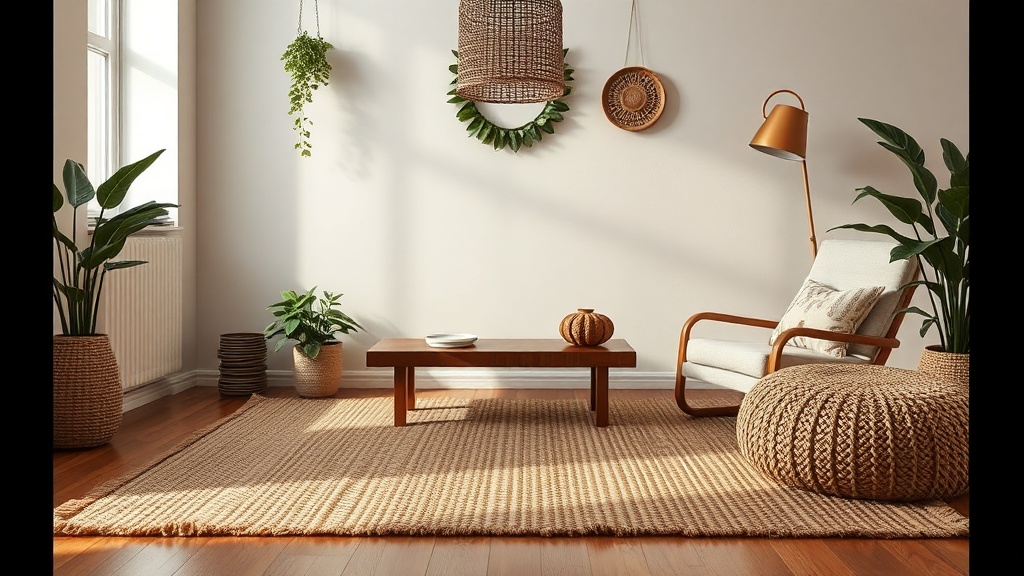
Texture is the secret weapon of professional decorators. A flat, machine-made plastic rug offers no visual interest. In contrast, a chunky jute weave creates shadows and highlights that catch the light, adding a sense of architectural depth to a room. This is particularly effective in minimalist spaces where you might only have a few pieces of furniture. A well-textured rug acts as a focal point, making a room feel "finished" rather than just "furnished."
Color Versatility
Natural fibers come in a palette of earth tones—from the pale, sandy hues of light sisal to the rich, golden tones of jute. These colors are inherently calming and act as a neutral base that works with almost any color scheme. Unlike dyed synthetic rugs, which can look garish or fade unevenly, natural fibers have a muted, sophisticated color profile that complements wood floors, stone tiles, and various paint colors effortlessly.
Jute vs. Sisal: Which One is Right for You?
Before you head to a retailer like West Elm, IKEA, or even a local thrift shop, you need to understand the difference between these two popular materials. While they are often grouped together, they have distinct characteristics that make them suitable for different parts of the home.
Understanding Jute
Jute is a softer, more flexible fiber. It is often referred to as the "silk of the jute" because of its slightly smoother texture. If you are looking for a rug for a living room or a bedroom where you might be walking barefoot, jute is your best bet. It is more forgiving on the skin and has a slightly more "plush" feel compared to sisal.
- Pros: Softer underfoot, more affordable, easier to manipulate in corners.
- Cons: Less durable in extremely high-traffic areas, more susceptible to moisture.
Understanding Sisal
Sisal is a much tougher, more durable fiber derived from the agave plant. It is significantly more rigid and scratch-resistant than jute. If you have a high-traffic entryway or a dining room where chairs will be frequently moved, sisal is the superior choice. It holds its shape incredibly well and can withstand much more physical abuse than jute.
- Pros: Extremely durable, highly resistant to wear, maintains shape perfectly.
- Cons: Can be scratchy/rough on bare feet, more difficult to clean if spills occur.
Practical Implementation: Where to Place Your New Rug
Choosing the right rug is only half the battle; you must also place it correctly to ensure it serves its functional purpose. A common mistake is choosing a rug that is too small, which can make a room feel disjointed and cramped. If you are working with a smaller footprint, remember that ways to make your small living room feel much larger often involve using large-scale elements to ground the space.
The Dining Room
In a dining room, I highly recommend a heavy-weight sisal rug. The weight of the dining chairs will not crush the fibers as easily as it would with a softer jute. Furthermore, the rigidity of sisal prevents the rug from bunching up when guests pull their chairs out. Ensure the rug is large enough that when chairs are pulled out, the back legs remain on the rug. This prevents the "tripping hazard" effect and creates a cohesive zone for dining.
The Living Room
For a living room, a jute rug offers a more inviting atmosphere. Since you are more likely to be lounging or sitting on the floor, the slightly softer texture of jute is preferable. To prevent the rug from looking too "flat," consider layering. You can place a smaller, colorful patterned rug (perhaps a vintage find from a local thrift store) on top of a large jute base. This adds a layer of luxury and makes the space feel curated rather than store-bought.
The Entryway
The entryway is a high-impact zone. A durable sisal runner is the best way to protect your hard floors from the grit and dirt brought in from outside. A synthetic rug in an entryway often looks flimsy and can trap odors, whereas a natural fiber rug handles the transition from outdoors to indoors with more grace.
Maintenance and Longevity Tips
The biggest hesitation people have when moving away from plastic rugs is the fear of maintenance. Natural fibers require a different care routine than synthetic ones, but if you follow these steps, they can last for a decade or more.
Managing Spills
Because jute and sisal are absorbent, you must act quickly if a liquid spill occurs. Do not rub the stain, as this pushes the liquid deeper into the fibers. Instead, blot the area with a clean, dry cloth to soak up as much liquid as possible. For dried spills, a soft-bristled brush can be used to gently flick the fibers and remove the residue. If you are worried about stains in a high-risk area, consider applying a specialized rug protector designed for natural fibers.
Vacuuming Techniques
You cannot use a heavy-duty vacuum with a high-speed beater bar on a jute or sisal rug; the aggressive movement can pull the fibers and cause fraying. Instead, use a vacuum setting that relies on suction without a rotating brush, or use a handheld attachment. Regular vacuuming is essential to remove the dust and grit that can settle into the weave and act like sandpaper against the fibers over time.
Dealing with Moisture
Natural fibers are sensitive to humidity. In a damp basement or a room with poor ventilation, a jute rug may become limp or develop a musty scent. To prevent this, ensure your space has adequate airflow. If you live in a particularly humid climate, sisal is a much better option than jute, as it is more resilient to environmental changes.
The Budget-Friendly Approach to Natural Rugs
You do not need a designer budget to achieve this look. While high-end boutiques sell hand-woven organic rugs for hundreds of dollars, there are many ways to find quality pieces for less. Check local estate sales or even online marketplaces like Facebook Marketplace. Because jute and sisal are considered "neutral," they are often undervalued by people who are looking for more "trendy" or colorful items. You can often find high-quality, large-scale natural fiber rugs for a fraction of the retail price if you look in the right places.
If you find a high-quality jute rug that is slightly frayed at the edges, do not discard it. You can use a pair of fabric shears to neatly trim the loose threads, or even use a simple rug binding tape to finish the edges. This is a classic example of how a little bit of resourcefulness can turn a "damaged" item into a centerpiece for your home.
"The goal isn't to buy the most expensive thing in the room; it's to buy the thing that adds the most character and texture to the space."
By swapping out your synthetic, plastic-based rugs for the organic warmth of jute or sisal, you are making a conscious decision to prioritize texture, durability, and timeless design. It is a simple, impactful change that immediately elevates the perceived value of your entire home.