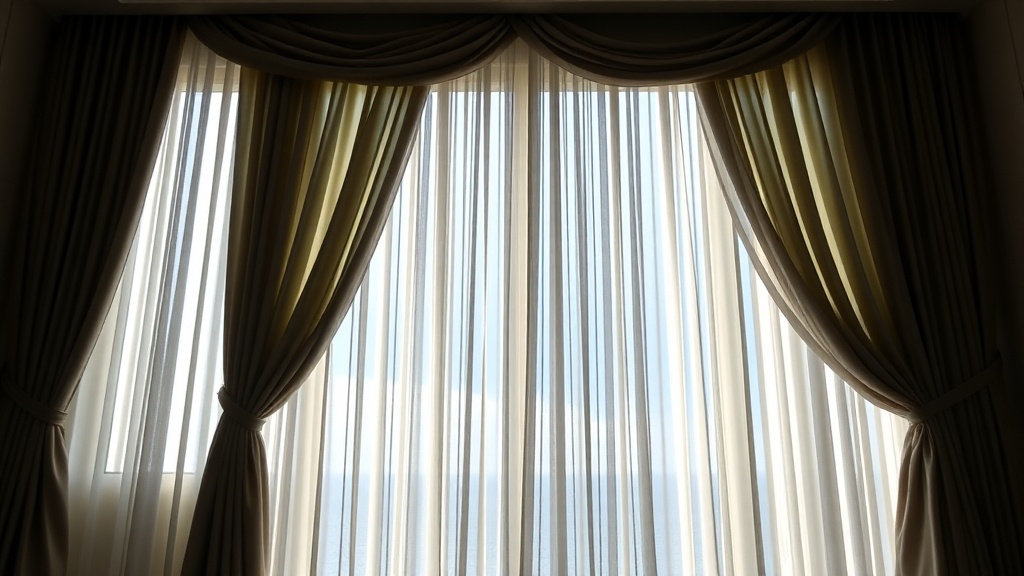
Why You Should Swap Your Basic Curtains for Double Layered Drapes

Improved Light Control
Enhanced Privacy and Insulation
Added Texture and Depth
A living room looks nearly finished once the sofa is in place and the coffee table is styled, but then the light hits the windows. A single, thin rod with a basic polyester panel hangs there, looking flimsy and failing to mask the view of the neighbor's driveway. The room feels unfinished, lacking the weight and texture needed to truly anchor the space. This is the common pitfall of "basic" window treatments. Transitioning from a single curtain to double-layered drapes—combining a sheer layer with a heavier fabric—is one of the most effective ways to elevate a room from looking "furnished" to looking "designed." This post explores the functional and aesthetic reasons to make the switch and how to do it on a budget.
1. Improved Light Control and Privacy
Single-layer curtains often force a compromise: you either have full sunlight or total darkness. If you use a light linen, you lose privacy at night when the lights are on inside. If you use a heavy blackout curtain, the room feels cave-like during the day. Double layering solves this by giving you two distinct modes of operation.
The inner layer, usually a sheer fabric like voile or a lightweight cotton, allows natural light to filter into the room while obscuring the view from the outside. This keeps the space feeling airy and bright during mid-morning. The outer layer, typically a heavier material like velvet, heavy linen, or even a thermal-lined fabric, provides the ability to block light completely. This is essential for bedrooms or media rooms where glare on a television is a constant nuisance. By using a double rod system, you can pull the heavy drapes shut for a movie night and leave the sheers closed during a sunny afternoon to maintain a sense of seclusion without sacrificing the glow of the sun.
2. Enhanced Thermal Insulation and Energy Savings
Windows are often the greatest source of heat loss in a home. A single, thin curtain does very little to combat the draft that comes through a window frame in the winter or the radiant heat that enters during a July afternoon. Double-layered drapes act as a sophisticated thermal barrier. The air trapped between the sheer layer and the heavier outer drape creates an extra layer of insulation for your room.
When you use a heavy fabric like a weighted velvet or a thick cotton duck, you are essentially adding a layer of protection to your windows. This can significantly reduce your heating and cooling costs over the course of a year. For example, in a north-facing room that stays chilly, adding a heavy linen drape over a light cotton sheer can make the temperature feel much more consistent. This is a practical way to make a budget-friendly home more comfortable without relying solely on your HVAC system.
3. Increased Visual Depth and Texture
One of the biggest mistakes in entry-level interior design is using too many flat surfaces. A single curtain panel is a flat plane of color. Double layering introduces depth, which is the secret to making a room look expensive. When you layer a textured fabric over a smooth one, you create shadows and highlights that catch the eye.
Consider the contrast between a crisp, white linen sheer and a deep, forest green velvet drape. The sheer provides a soft, diffused texture, while the velvet adds a luxurious, matte weight. This interplay of materials makes the window feel like a focal point rather than an afterthought. If you are working with a small room, this sense of depth is particularly important to prevent the space from feeling "flat" or uninspired. Much like swapping small rugs for large area rugs, adding volume to your windows helps ground the room and makes the ceilings feel higher.
4. Better Sound Dampening
Hard surfaces—like hardwood floors, glass windows, and bare walls—cause sound to bounce, creating an echo. This is especially noticeable in rooms with high ceilings or minimal soft furnishings. A single layer of thin fabric does almost nothing to absorb sound waves. Double-layered drapes, however, act as acoustic treatment for your home.
The combination of two different fabric weights helps to break up sound waves. The heavy outer curtain absorbs the low-frequency sounds, while the sheer layer helps diffuse higher frequencies. If you have a home office or a dining room where conversation and focus are important, this added layer of sound dampening can make the environment feel much more tranquil and "high-end." It turns a noisy, echoing room into a cozy, insulated sanctuary.
5. Versatility in Styling
Double layering gives you more creative freedom when it comes to color palettes. You are no longer stuck choosing one single color for your window. You can use the inner sheer to introduce a subtle pattern or a soft tint, while keeping the outer drapes a solid, neutral color. This allows you to play with color theory without overwhelming the room.
For a sophisticated look, try a monochromatic approach: a cream-colored sheer paired with an oatmeal-colored heavy linen. For a more dramatic, high-contrast look, try a white sheer with a navy blue or charcoal grey drape. This versatility allows you to update the look of a room simply by swapping one of the layers. If you want a seasonal refresh, you can keep your heavy drapes up all year and simply swap the sheers for a lighter, brighter fabric in the spring.
How to Execute the Double Layer Look on a Budget
You do not need to buy expensive, custom-made drapery to achieve this look. There are several resourceful ways to implement double layering without breaking the bank.
Choose the Right Hardware
To achieve this, you need a double curtain rod. You can find these at most big-box retailers like Target, IKEA, or even at thrift stores. A double rod consists of a longer rod for the heavy drapes and a shorter, thinner rod for the sheers. Ensure the rods are sturdy enough to handle the weight of your chosen fabrics. If you are using heavy velvet, look for a rod with a higher weight capacity to prevent sagging.
Mix and Match Fabrics
The key to a successful layer is the relationship between the two fabrics. A good rule of thumb is to ensure one layer is significantly lighter or more textured than the other.
- The Sheer Layer: Look for cotton voile, linen blends, or even lightweight lace. These should be translucent enough to let light through.
- The Outer Layer: This should be your "statement" fabric. Think velvet, heavy linen, or a thick blackout fabric.
Consider the Length
For a professional look, both layers should ideally hit the same point. Most designers recommend that curtains hang about half an inch above the floor or even "puddle" slightly on the ground for a more romantic, luxurious feel. If you are buying ready-made panels, ensure you have measured your window height accurately. If the curtains are too short, they will look "high-water" and cheap. If you have long curtains that are too long, do not discard them—use iron-on hemming tape to adjust the length easily without needing a sewing machine.
Summary of Benefits
| Feature | Single Layer | Double Layered |
|---|---|---|
| Light Control | All or nothing | Adjustable (Sheer vs. Blackout) |
| Privacy | Limited at night | High (Sheer for day, Heavy for night) |
| Insulation | Minimal | Excellent (Thermal Barrier) |
| Aesthetics | Flat and basic | Deep, textured, and luxurious |
By investing a small amount of time and a minimal amount of money into a double-rod system, you can completely transform the atmosphere of your home. It is a simple, high-impact design trick that provides much more than just a way to cover a window—it provides comfort, style, and a sense of intentionality.