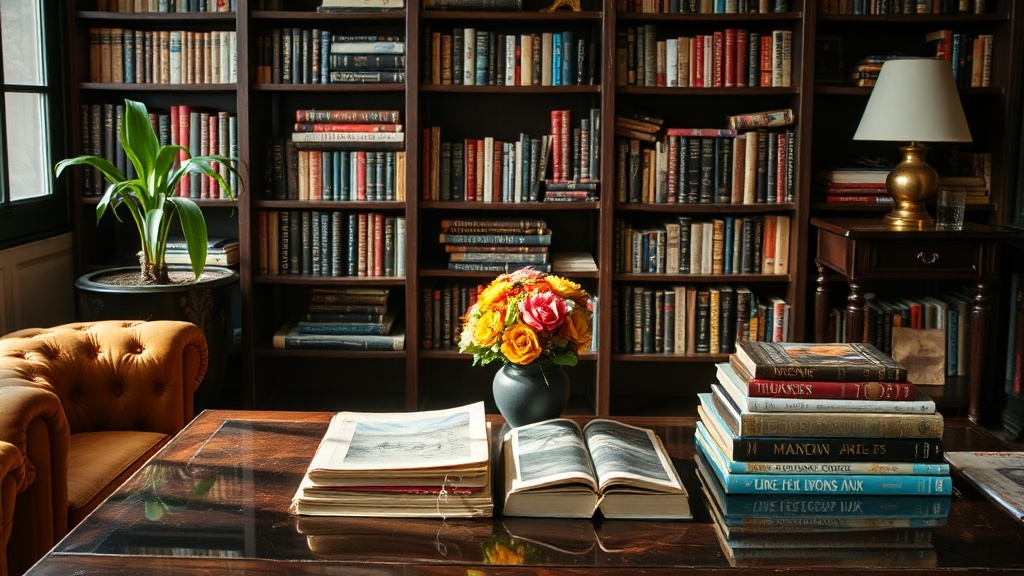
Why You Should Swap Your Basic Coffee Table Books for Vintage Finds

Learn how to elevate your living room by replacing mass-produced coffee table books with curated vintage finds that add character, texture, and history to your home.
Coffee table books serve as more than just reading material; they are sculptural elements that anchor your seating area. While big-box retailers offer glossy, brand-new volumes that look identical in every catalog, these mass-produced books often lack the soul and tactile interest required to make a room feel truly lived-in. By switching to vintage books, you introduce varied spine textures, aged paper tones, and unique subject matter that reflects your personal interests rather than a current trend. This guide will teach you how to source, select, and style vintage books to create a sophisticated, high-end look on a thrift-store budget.
The Problem with Mass-Produced Decor
The primary issue with buying new coffee table books from major retailers is the lack of visual diversity. When you buy a set of three "minimalist" books from a modern home store, you are often buying items designed to blend in rather than stand out. These books frequently feature high-gloss covers and uniform heights, which can make your coffee table look flat and uninspired. Furthermore, these items are often made with cheap materials that lack the weight and structural integrity of older volumes.
Vintage books offer a solution to this "sameness." A vintage book has a story—whether it is a weathered linen binding from the 1950s or a heavy, leather-bound volume from a local estate sale. These pieces provide organic imperfections that soften the sharp lines of modern furniture. If you have already started looking for ways to add depth to your room, you might also consider swapping basic table lamps for sculptural lighting to complement the textured look of your vintage book collection.
Where to Source High-Quality Vintage Books
Finding the best books requires looking beyond the standard bookstore. You want to look for places where the inventory is uncurated and the prices are low. Here are the most effective locations for your hunt:
- Local Thrift Stores and Goodwill: These are gold mines for oversized art books and hardcovers. Look specifically in the non-fiction sections, as these often have more interesting spines than the fiction aisles.
- Estate Sales: This is where you find the "prestige" items. Estate sales often feature high-quality, leather-bound books or specialized academic volumes that have significant weight and presence.
- Antique Malls: While prices might be slightly higher here, the quality is generally vetted. This is a great place to find specific aesthetics, such as Mid-Century Modern art books or Victorian-era botanical volumes.
- Library Sales: Public libraries often hold annual sales to raise funds. This is the most budget-friendly way to acquire large-format books that would otherwise be expensive.
- Online Marketplaces (eBay and Etsy): If you are looking for a very specific color or subject, such as a 1970s photography book, online auctions are your best bet.
What to Look For: Material and Subject Matter
When you are browsing, do not just look at the titles. You need to evaluate the physical properties of the book to ensure it functions well as a decor piece. A book that looks good but is flimsy will not hold up under the weight of a decorative tray or a candle.
1. Binding and Texture
Look for books with interesting tactile qualities. Linen-wrapped books offer a matte, sophisticated texture that absorbs light rather than reflecting it. Leather-bound books provide a sense of luxury and weight. Even cloth-bound books with gold or silver foil stamping (often called "gilt edges") add a touch of shimmer and elegance to a coffee table arrangement.
2. Color Palettes
Instead of buying books based on a specific color, look for "neutral" tones that occur naturally in aged paper and binding. Cream, beige, forest green, navy, and deep burgundy are classic colors that feel timeless. Avoid books with bright, neon, or overly "trendy" colors that might date your room quickly. Aim for a palette that complements your existing upholstery and rug.
3. Subject Matter and Scale
The subject of the book should feel intentional. For a sophisticated look, gravitate toward these categories:
- Art and Architecture: These are almost always large-format and visually striking.
- Travel and Geography: Vintage maps or books about specific locales (like Italy or Japan) add a sense of wanderlust.
- Botanical and Natural History: These often feature beautiful illustrations that work well even if the book is closed.
- Photography: High-quality photography books provide great visual interest when used as a base for other objects.
How to Style Your Vintage Book Collection
Once you have acquired your collection, the way you arrange them is just as important as the books themselves. A pile of books can look messy, while a single book looks lonely. You want to create a "styled vignette."
The Rule of Three and Varying Heights
When stacking books, never use the same number of books in every arrangement. Use groups of three or five to create visual interest. To avoid a flat look, vary the heights. You can stack two large, heavy books horizontally to create a "pedestal," and then place a smaller, vertical book or a decorative object on top. This creates a tiered effect that leads the eye upward.
Using Books as Pedestals
One of the best ways to use vintage books is as a base for other decor. A stack of two or three large, hardback books can elevate a small candle, a piece of coral, or a sculptural object. This prevents the object from getting lost on a large coffee table. If you have a low-profile coffee table, using books to lift your decorative items can make the entire arrangement feel more intentional and high-end.
Incorporating Trays for Organization
If you have a lot of small items on your coffee table—such as remotes, coasters, or small bowls—use a tray to contain the chaos. You can place a stack of vintage books inside or next to the tray. This creates a "zone" for your decor, making the table look curated rather than cluttered. A wooden or marble tray paired with a stack of linen-bound books creates a beautiful contrast in texture.
Common Mistakes to Avoid
Even with the best intentions, it is easy to overdo the "vintage" look and end up with a room that feels like a dusty antique shop rather than a modern home. Avoid these common pitfalls:
- Ignoring Condition: While a little wear is part of the charm, avoid books that are falling apart or have moldy smells. If a book is heavily damaged, it will make your entire room look neglected rather than curated.
- Too Much Uniformity: Do not buy ten books that are all the exact same size and color. This defeats the purpose of using vintage finds for character. You want a mix of heights, widths, and textures.
- Overcrowding the Table: Your coffee table should still have functional space. If your book stacks take up 80% of the surface, the room will feel cramped. Leave "white space" around your arrangements to let the eye rest.
"The goal of decorating with vintage books is not to show off how many books you own, but to use their physical form to add layers of texture and history to your living space."
By following these steps, you can transform a basic, flat coffee table into a sophisticated focal point that looks like it was styled by a professional. Remember, the best decor is often found in the places most people overlook. Happy hunting!
Steps
- 1
Source unique spines at thrift stores
- 2
Group books by color or texture
- 3
Stack them horizontally for height
- 4
Add a decorative object on top