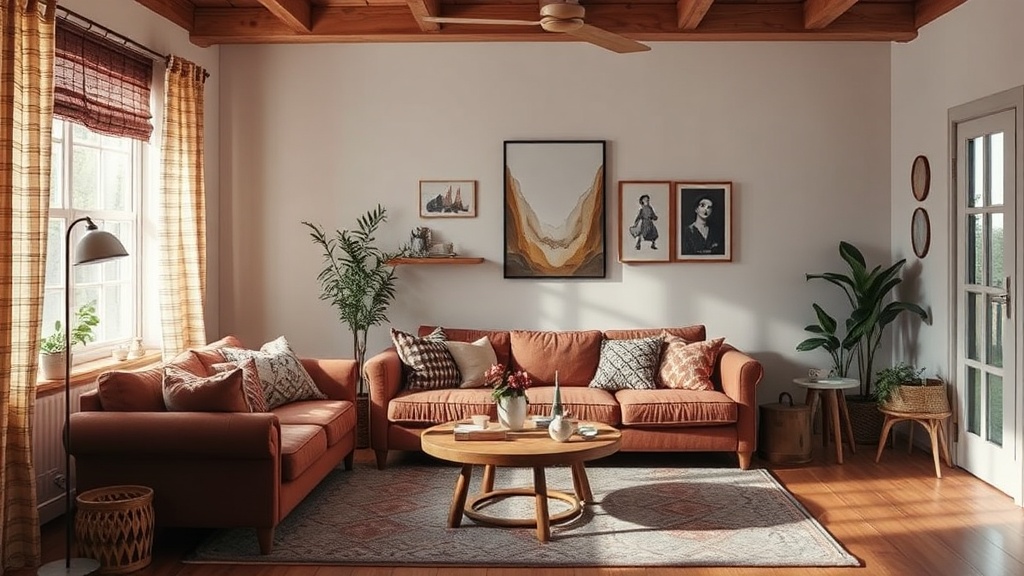
7 Clever Ways to Use Secondhand Textiles for a Cozy Living Room

Repurpose Vintage Linens as Wall Art
Layering Textures with Thrifted Throws
Custom Pillow Covers from Old Curtains
The Magic of Fabric-Wrapped Baskets
Using Fabric Scraps for Texture Play
Vintage Rugs as Statement Floor Coverings
Creating Softness with Drape and Fold
You'll learn how to transform your living room using high-quality secondhand textiles like vintage linens, thrifted rugs, and reclaimed fabrics. This guide covers specific methods for repurposing these materials into functional decor pieces that add warmth and texture without the high price tag of new retail items.
How Can I Use Old Curtains as Living Room Decor?
You can use old curtains as soft wall hangings, table runners, or even lightweight room dividers. Most people overlook the heavy, high-quality drapes found at thrift stores, but these are goldmines for texture.
If you find a pair of linen or heavy cotton curtains with a beautiful drape, don't just hang them on a window. A linen curtain with a subtle botanical print can serve as a stunning piece of fabric art. Grab a wooden dowel, slide it through the rod pocket, and hang it directly on your wall. It adds a soft, organic feel that a standard framed print just can't match. (It’s much cheaper than buying actual textile art, too!)
The trick is to look for weight. A thin, cheap polyester curtain won't hold its shape, but a heavy cotton or a linen-blend will hang beautifully. If the curtains are a bit too long, don't worry about a perfect hem. You can use iron-on hem tape to adjust the length without needing a sewing machine.
Where Can I Find High-Quality Secondhand Textiles?
Finding the right pieces requires looking in specific places. You won't find much at a standard big-box retailer, but the local thrift scene is where the real magic happens. Here is where I suggest looking:
- Local Thrift Stores: Places like Goodwill or Salvation Army are great for finding basic cotton throws and linens.
- Estate Sales: This is the best way to find high-end materials like silk, heavy velvet, or authentic vintage lace.
- Online Resale Apps: Search for specific terms like "vintage linen" or "wool throw" on platforms like Poshmark or Depop.
- Local Consignment Shops: These often have higher-quality items that are already vetted for quality.
When you're out hunting, always check the fiber content. If you can find a tag, look for natural fibers like wool, cotton, or silk. Synthetic fabrics can sometimes look "shiny" or cheap under living room lighting. A 100% wool blanket from a secondhand shop will look much more expensive than a polyester blend from a fast-fashion brand.
For more tips on building a cohesive look from the ground up, check out my step-by-step guide to transforming your home on a budget.
How Do I Turn Thrifted Blankets into Throw Pillows?
You turn thrifted blankets into throw pillows by using them as covers for standard pillow inserts. This is a simple way to add a pop of color or a cozy texture to your sofa.
I love finding those heavy, oversized wool blankets that look a bit worn. Instead of trying to fix them, use them. You can take a standard 18x18 inch pillow insert and wrap it in the blanket. If you don't sew, use a simple "envelope closure" method or even a bit of fabric glue for a non-permanent fix. It gives your sofa an instant, cozy vibe—especially if you're using a heavy wool like a Pendleton style pattern.
The texture of a thrifted blanket can change the entire mood of a room. A rougher, textured wool blanket provides a nice contrast to a smooth leather sofa. It's all about the balance of hard and soft surfaces. If your room feels a bit "cold" or clinical, a single well-placed textile can fix that immediately.
Can I Use Vintage Rugs in a Small Living Room?
Yes, you can use vintage rugs as wall art or as layered accents to add depth to your floor space. Small rugs don't have to stay on the ground.
If you find a small, beautiful Persian-style rug that is too worn in the center to be a floor covering, don't toss it. A small, patterned rug can be a stunning wall hanging. It adds a layer of warmth and a sense of history to a room. Just ensure you use a sturdy mounting system so it doesn't slip.
If you do keep it on the floor, try the layering technique. Put a large, neutral jute rug down first, then layer a smaller, colorful vintage rug on top. This creates a "designer" look for a fraction of the cost of a single large area rug. It adds visual interest and makes the seating area feel more defined.
| Original Item | New Function | Required Effort | Visual Impact |
|---|---|---|---|
| Curtains | Wall Art/Hanging | Low | High (Texture) |
| Wool Blanket | Pillow Cover | Medium | Medium (Cozy) |
| Small Rug | Wall Hanging | Medium | High (Statement) |
| Tablecloth | Table Runner | Low | Low (Accent) |
How Do I Style Different Textures Together?
You style different textures by mixing heavy and light materials to create visual balance. A good rule of thumb is to pair something smooth with something rough.
Think about your sofa. If you have a smooth, velvet sofa, don't cover it in more velvet. That's a mistake! Instead, pair that velvet with a chunky knit throw or a linen pillow. This creates "tactile interest." It makes people want to touch things. It's that lived-in, comfortable feeling that makes a house a home.
Don't be afraid to mix patterns, either. A striped linen pillow looks great next to a floral cotton one. The key is to keep the color palette somewhat consistent. If your room is mostly neutrals, a vintage silk scarf with a subtle pattern can add a sophisticated touch without overwhelming the space. It's a small detail, but it makes a huge difference.
Is It Safe to Use Secondhand Fabric for Decor?
It is safe as long as you thoroughly clean the items before bringing them into your living space. Hygiene is the only real concern when buying used textiles.
Before you bring a thrifted blanket or curtain into your home, wash it. If it's a delicate item, follow the standard cleaning guidelines for your fabric type. For heavy wool or vintage items that can't go in a washing machine, I highly recommend a professional cleaning or a very thorough steaming. This kills any dust mites or allergens that might be lingering in the fibers.
Also, check for any structural damage. Look for small holes or thinning patches in the fabric. If a rug is fraying at the edges, you can use a fabric sealant or a simple hem to stop the unraveling. Most of the time, a little bit of care and a quick steam session is all it takes to make a secondhand find look brand new.
How Do I Choose the Right Colors for a Cozy Look?
You choose the right colors by selecting a base neutral and adding "moody" or "warm" accent colors through your textiles. This prevents the room from looking too busy.
If your walls are a light cream or a soft grey, you can use your textiles to add depth. A deep forest green or a burnt orange from a thrifted throw can make the room feel much more grounded. Avoid choosing too many bright, neon colors. Instead, look for "muted" versions of those colors. A dusty rose is much more sophisticated than a bright pink.
The goal is to create a sense of cohesion. If you find a beautiful vintage scarf with a specific color, use that color as your inspiration for the rest of the room. It’s a great way to tie everything together. If you're working on a bigger project, like a kitchen or a dining area, you might find these color-matching tips useful for bringing your kitchen to life with low-cost textures.