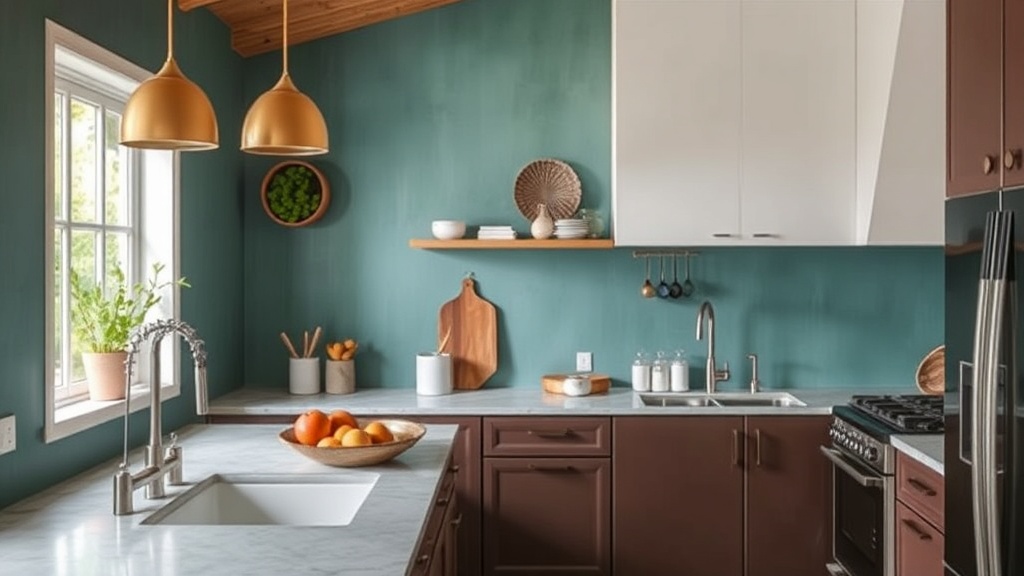
Bring Your Kitchen to Life with Low-Cost Textures and Tones

A kitchen with white shaker cabinets and a granite countertop often feels sterile, cold, and frankly, a bit boring. You might look at your breakfast nook and see nothing but flat surfaces and hard edges. This guide explores how to introduce depth through tactile materials and color layering so your kitchen feels lived-in rather than just functional.
Texture isn't just for the living room. It's the difference between a kitchen that feels like a sterile showroom and one that feels like a home. We're talking about adding wood grains, woven linens, and matte ceramics to break up those shiny, reflective surfaces.
How Can I Add Texture to a Kitchen Without a Remodel?
You can add texture by incorporating natural materials like wood, stone, and textiles into your existing layout. Most of us aren't ready to rip out the cabinets (thank goodness), but small-scale additions change the entire sensory experience of the room.
Start with your countertop decor. If you have a sea of smooth quartz, it's begging for a wooden cutting-board stack. A heavy, butcher-block style board from a place like IKEA adds a warm, organic element that softens the look of stone.
Don't forget the walls. A simple linen tea towel hanging from an oven handle or a woven basket holding your fruit can change the vibe instantly. It's a low-stakes way to introduce a softer "feel" to a room dominated by metal and tile. (Pro tip: skip the synthetic fabrics and look for 100% linen or cotton for that high-end, organic look.)
Think about your backsplash too. If you aren't ready for a full tile job, consider a peel-and-stick backsplash. While these aren't permanent, they add a tactile pattern that breaks up the visual monotony of a plain wall.
The Power of Natural Tones
Color isn't just about picking a paint swatch. It's about how light hits different surfaces. A matte ceramic jar will look different than a glossy glass vase, even if they are the same color.
- Matte Finishes: These absorb light, making a space feel cozy and grounded.
- Glossy Finishes: These reflect light, making a small kitchen feel brighter and larger.
- Satin Finishes: A middle ground that offers a subtle sheen without being distracting.
When you're shopping, look for "earthy" tones. Instead of a stark, bright white, look for "off-white" or "cream." These shades feel much more expensive and less clinical. If you want to see how color theory works in a domestic setting, the Wikipedia page on Color Theory is a great place to start your research.
What are the Best Low-Cost Ways to Update Kitchen Hardware?
Replacing your cabinet hardware is one of the fastest ways to change the "tone" of your kitchen without a massive investment. You can find high-quality brass, matte black, or even ceramic knobs at various price points to suit your style.
I've seen people spend hundreds on designer pulls, but you don't have to. A simple swap of brushed nickel for something with more character—like a vintage-inspired brass—can make your kitchen look custom.
Before you go buying everything, check your measurements. Most hardware comes in standard sizes, but it's worth double-checking your current pulls to ensure a seamless fit. This prevents the frustration of having to drill new holes in your cabinet doors.
| Material Type | Visual Vibe | Cost Level |
|---|---|---|
| Brushed Brass | Warm, Mid-Century Modern | Medium |
| Matte Black | Industrial, Modern, Bold | Low |
| Ceramic/Porcelain | Cottagecore, Traditional | Low to Medium |
| Stainless Steel | Professional, Minimalist | Low |
If you're feeling bold, you can even paint your existing hardware or use a specialized metal spray paint. It's a bit more work, but it's a great way to get a specific look for a few dollars. If you're looking for more ways to refresh your home, check out my 10 affordable ways to transform your home.
How Do I Mix Different Styles Without It Looking Messy?
The secret to mixing styles is to keep a consistent color palette while varying the textures. If your kitchen has a lot of hard, shiny surfaces, introduce softness through your accessories to keep the room from feeling unbalanced.
For example, if you have a very modern, minimalist kitchen with sleek black appliances, you can soften the edges with a jute rug or a wooden bowl. This creates a "high-low" look that feels intentional rather than accidental.
A good rule of thumb is the 80/20 rule. Let 80% of your kitchen follow a single design direction, and use the remaining 20% to introduce your "texture pops." If you go too heavy on the different styles, the room will start to feel cluttered and disorganized.
Here is a quick checklist for balancing your kitchen's visual weight:
- Check the Light: Does the room feel too bright? Add matte textures like wood or stone to absorb the glare.
- Check the Height: Are all your items at the same level? Use a tiered tray or a tall vase to create vertical interest.
- Check the "Feel": Is the room too cold? Add textiles like a runner rug or linen napkins.
A common mistake is buying too many "trendy" items at once. Instead of buying a whole set of new ceramic dishes, try buying one or two statement pieces. A single, beautiful stoneware pitcher can do more for your kitchen's tone than a dozen cheap, matching-but-boring items.
I often find that the best "decor" is actually just functional items that happen to look good. A high-quality olive oil bottle or a beautiful wooden salt cellar serves a purpose while adding a layer of texture to your countertop. It's about finding the beauty in the everyday tools you already use.
When you're browsing thrift stores or even your own pantry, look for items that have a bit of "weight" to them. A heavy glass jar or a thick cotton towel feels more substantial and high-end than something thin and flimsy. This weight translates to a sense of quality in the room, even if you only spent a few dollars on it.
If you find yourself stuck on how to decorate a specific room, remember that you can always start small. A single new lamp on a kitchen sideboard or a fresh bunch of dried herbs in a clay vase can completely change the energy of the space. You don't need a huge budget to make a big impact—just a little bit of intention and a keen eye for texture.