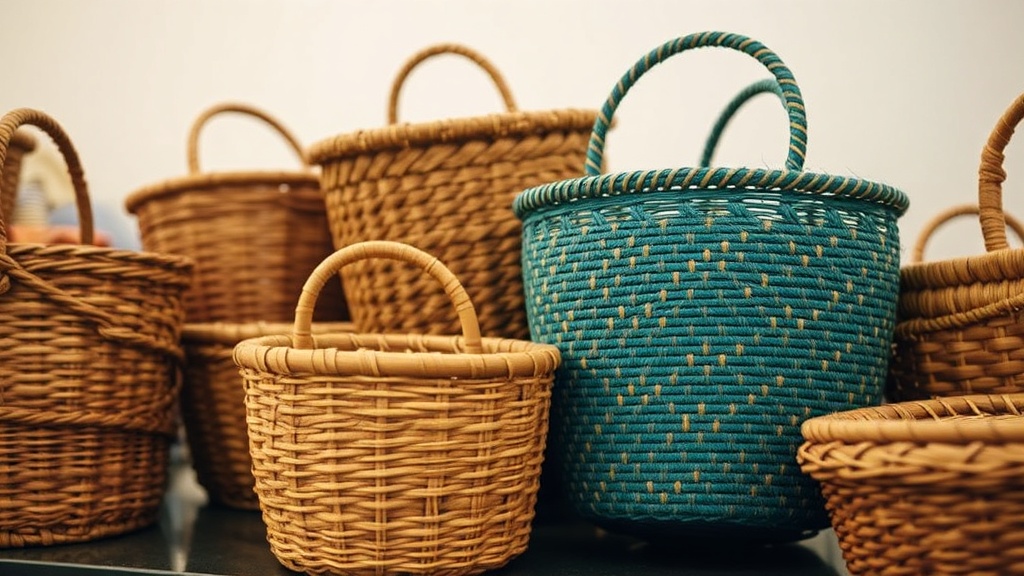
Why Are Woven Baskets the Most Versatile Find at Thrift Stores?

Here's something that might stop you in your tracks: the average household spends over $200 annually on plastic storage containers that crack, stain, and end up in landfills—while millions of durable, beautiful woven baskets sit ignored on thrift store shelves for under $5 apiece. These overlooked treasures don't just organize your space; they transform it with texture, warmth, and that lived-in character no big-box retailer can replicate.
This post explores why secondhand baskets deserve a permanent spot on your thrift shopping list—and how to use them in ways you probably haven't considered.
What Makes Thrifted Baskets Better Than New Ones?
Walk into any home goods store and you'll find baskets mass-produced overseas, often priced between $15 and $40. The weave is tight and uniform—almost too perfect. Now step into a thrift store. That $3 basket with the slightly irregular pattern? It was likely handcrafted, possibly decades ago, using techniques passed down through generations.
The quality difference isn't nostalgia talking. Vintage and antique baskets were built to last—thick reed, sturdy willow, or seagrass harvested and woven before industrial shortcuts existed. Many were made by skilled craftspeople in Appalachia, the American Southwest, or imported from weaving traditions in Africa, Asia, and Latin America. These pieces carry stories in their fibers.
Thrifted baskets also offer something retail cannot: variety. You'll find shapes and sizes that disappeared from mainstream production years ago—deep laundry hampers with fitted lids, shallow harvesting baskets with handles, petite lidded boxes perfect for bathroom storage. Each trip yields different treasures, making basket collecting an affordable way to build a unique, cohesive look throughout your home.
Where Should You Look for High-Quality Baskets Secondhand?
Baskets hide in plain sight at thrift stores—most shoppers walk right past them. Start your hunt in the housewares section, but don't stop there. Check the gardening area (harvesting baskets often end up here), the craft section (baskets donated with unfinished projects inside), and even the luggage department (picnic baskets and vintage hampers sometimes get miscategorized).
Estate sales and church rummage sales consistently yield the best selection. Older baskets—those with patina, slight fading, or minor wear—often indicate higher quality materials and construction. Look for tight weaves without gaps, sturdy handles attached with care, and bases that sit flat without wobbling. A little dust or surface dirt cleans easily; structural damage does not.
Inspect for mold (a musty smell is your warning sign) and check that no sharp wires or splinters protrude from the weave. Most importantly, lift the basket. Quality pieces feel substantial—lightweight baskets often indicate thin, brittle materials that won't hold up to daily use.
Online marketplaces like eBay and Facebook Marketplace can supplement in-person hunting, especially for specific styles like vintage French market baskets or authentic African mud cloth-lined storage pieces. Just factor shipping costs into your budget—baskets are surprisingly expensive to mail.
How Can You Use Baskets Beyond Basic Storage?
The real magic happens when you stop thinking of baskets as mere containers and start seeing them as design elements. That large oval basket? Flip it over and you've got an instant side table—perfect for holding a reading lamp and your current book. Stack two mismatched baskets (larger on bottom, smaller on top) and you've created a sculptural corner display for plants or pottery.
Wall-mounted baskets function as three-dimensional art. A cluster of shallow, plate-shaped baskets in varying sizes creates texture and visual interest above a sofa or bed—no frame required. Use removable adhesive hooks rated for the basket's weight, or install small nails through the weave's natural gaps.
In the kitchen, line baskets with cloth napkins and use them as bread baskets, fruit bowls, or portable caddies for condiments and utensils during outdoor dining. A divided picnic basket becomes a stylish bar cart organizer—bottles in one section, glasses in another, napkins tucked in the lid.
For plant parents, baskets solve the ugly plastic pot problem. Drop nursery pots directly into woven containers—no repotting required. The natural materials complement greenery beautifully, and the breathable weave helps prevent overwatering issues. Just slip a saucer underneath to protect surfaces.
Unexpected Places Baskets Shine
Think beyond the obvious rooms. In bathrooms, small lidded baskets corral cotton balls, hair ties, and toiletries on open shelving. Under the sink, larger baskets organize cleaning supplies and extra toilet paper rolls. In bedrooms, they tame the chaos of throw pillows and blankets at the foot of the bed.
Entryways benefit enormously from basket storage. A row of matching baskets on a console table creates a family drop zone—one per person for keys, mail, and daily essentials. Larger floor baskets tucked beneath benches hide shoes, bags, and seasonal gear.
Home offices aren't exempt either. Magazine files made from woven materials soften the industrial feel of desks and shelving units. Desktop baskets organize charging cables, pens, and paperwork without the sterile look of plastic organizers.
How Do You Clean and Restore Old Baskets?
Secondhand baskets need gentle revival, not aggressive scrubbing. Start by taking them outside and giving a good shake—decades of dust often hide in the weave. For surface dirt, use a soft brush attachment on your vacuum or a clean, dry paintbrush to work between the fibers.
Stubborn grime responds to a barely-damp microfiber cloth. Wipe gently, never soaking the material. Excessive moisture warps natural fibers and encourages mold. For musty odors, place the basket in direct sunlight for several hours—UV rays naturally neutralize smells. A light spritz of diluted white vinegar (one part vinegar to four parts water) can help, but test an inconspicuous area first.
Loose weave strands can be tucked back into place using a blunt mix needle. For broken reeds, rattan repair kits available on Amazon offer matching materials and instructions. Minor repairs extend the life of quality pieces significantly.
If a basket has lost its shape, mist it lightly with water (don't saturate), reshape by hand, and allow it to dry completely—sometimes weighted with books inside to hold the form. The fibers will often remember their intended shape once reminded.
What Styles Work Best in Modern Homes?
Not all baskets suit every interior. The key is matching materials and shapes to your existing aesthetic. Minimalist and Scandinavian spaces benefit from simple, unadorned baskets in neutral tones—think natural seagrass, undyed reed, or white-washed willow. Avoid busy patterns or bright colors.
Bohemian and eclectic homes embrace the opposite: bold patterns, mixed materials, and global influences. Moroccan bread baskets, African bolga fans, and colorful market bags hung as wall art fit beautifully here. Layer different textures and sizes without overthinking coordination.
Traditional and farmhouse styles gravitate toward classic shapes— Picnic baskets with leather straps, substantial hampers with hinged lids, and gathering baskets with sturdy handles. Darker stains and aged patinas add authenticity these spaces crave.
Contemporary and modern homes might seem like unlikely candidates for rustic woven pieces, but the contrast actually works in your favor. A single sculptural basket in an unexpected shape—a perfect sphere, an exaggerated oval—reads as art against clean lines and neutral palettes.
Regardless of your style, stick to baskets made from natural materials. Synthetic woven pieces (often labeled "resin wicker" or "polyrattan") lack the warmth and character that make secondhand baskets special. They also don't age gracefully—natural materials develop patina; plastic just looks worn.
The best basket collection grows organically—one perfect find at a time. Resist the urge to buy sets or match everything perfectly. The slightly mismatched nature of thrifted pieces is exactly what makes them feel collected rather than purchased.
Next time you're tempted by another plastic storage bin, pause. Somewhere in a nearby thrift store sits a basket that will do the job better, look more beautiful, cost less money, and carry a history no factory can manufacture. That's the kind of decorating decision that transforms houses into homes—one $3 find at a time.
For inspiration on incorporating natural textures throughout your space, browse the collections at Apartment Therapy—their small-space solutions often feature clever basket applications worth borrowing.