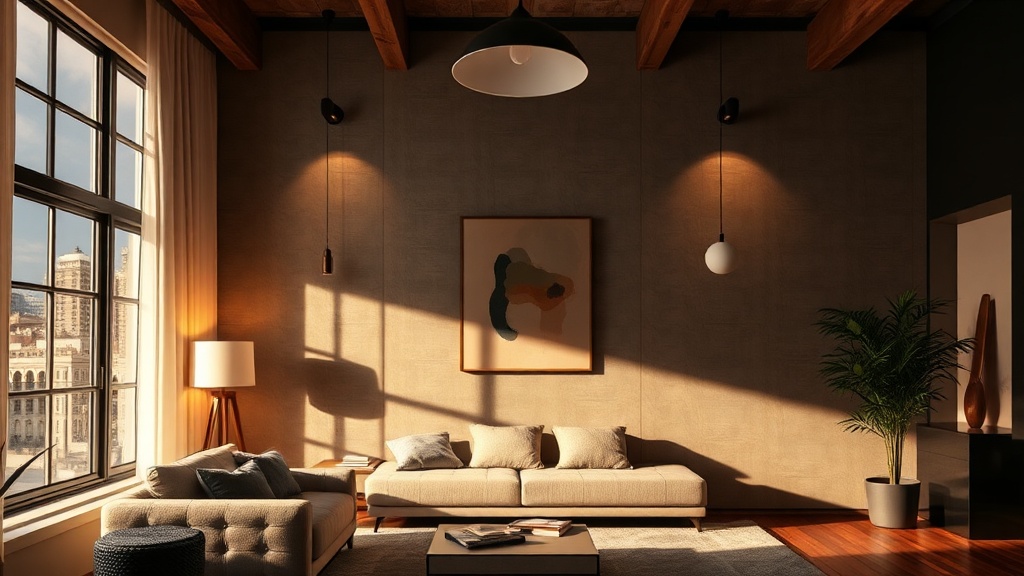
Transform Any Room Instantly with the Power of Layered Lighting

Quick Tip
Combine three lighting types—ambient overhead lights, task lamps for reading or work, and accent lights like candles or LEDs—to create depth and warmth in any room instantly.
What Is Layered Lighting and Why Does It Matter?
Layered lighting combines three distinct light types—ambient, task, and accent—to create depth, functionality, and atmosphere in any room. Without it, spaces feel flat (like a dentist's office) or strain your eyes during everyday activities. The technique transforms how a room looks and feels—no renovation required.
How Do You Layer Lighting on a Budget?
You don't need an electrician. Start with what you have, then fill gaps strategically.
Ambient lighting is your base layer—overhead fixtures, ceiling fans with lights, or even bright floor lamps. Most rooms already have this, though it's often harsh and one-dimensional. That said, swapping a bare bulb for a warm LED from IKEA's RYET line costs under $5 and softens everything instantly.
Task lighting targets specific activities—reading, cooking, applying makeup. The TaoTronics LED Desk Lamp ($35) or a thrifted pharmacy lamp ($8-12 at most Goodwills) puts light exactly where you need it. Here's the thing: under-cabinet LED strips from Home Depot's Armacost line ($20-40) transform kitchens without hardwiring—peel, stick, plug in.
Accent lighting adds drama. Picture lights above artwork, uplights behind plants, or battery-operated puck lights inside glass cabinets. The Philips Hue Go portable table lamp runs $85 new, but Facebook Marketplace often has them for $30—still pricey, but one statement piece beats three cheap failures.
Which Light Bulbs Work Best for Layering?
Color temperature makes or breaks your layers. Mixing warm and cool bulbs creates visual chaos—like wearing brown shoes with a black belt.
| Bulb Type | Best For | Color Temp | Budget Pick |
|---|---|---|---|
| Soft White LED | Living rooms, bedrooms | 2700K | GE Relax ($6/4-pack) |
| Daylight LED | Kitchens, bathrooms, task areas | 5000K | Great Value Daylight ($5/4-pack) |
| Dimmable LED | Dining rooms, anywhere with layers | 2700K-3000K | Feit Electric Dimmable ($8/3-pack at Costco) |
| Smart Bulb | Accent flexibility | Adjustable | Wyze Bulb ($10 each) |
The catch? Dimmers. They're non-negotiable for true layering. A Leviton SureSlide dimmer ($15) installs in ten minutes and turns any fixture into a mood-setting tool. Worth noting: not all LEDs dim well—check the packaging for "dimmable" in bold letters.
What Are Common Layering Mistakes to Avoid?
Too many overhead lights—recessed cans everywhere creates that sad office feel. Instead, think in triangles. Position three light sources (a floor lamp, a table lamp, and something unexpected—maybe string lights in a glass jar) at different heights around seating areas.
Ignoring vertical space is another budget-killer. Uplighting costs almost nothing—set a $4 thrift store can light behind a tall plant, point it at the ceiling. Instant cathedral effect. Shadows become your friend when you control where they fall.
Don't match everything. The best layered rooms feel collected over time—a vintage banker's lamp next to a Target Threshold arc floor lamp, both playing nice together. Lighting should look intentional, not identical.
Start tonight. Turn off your overhead fixture. Use just lamps for one evening. You'll see exactly where the gaps are—and what to hunt for at tomorrow's estate sale.