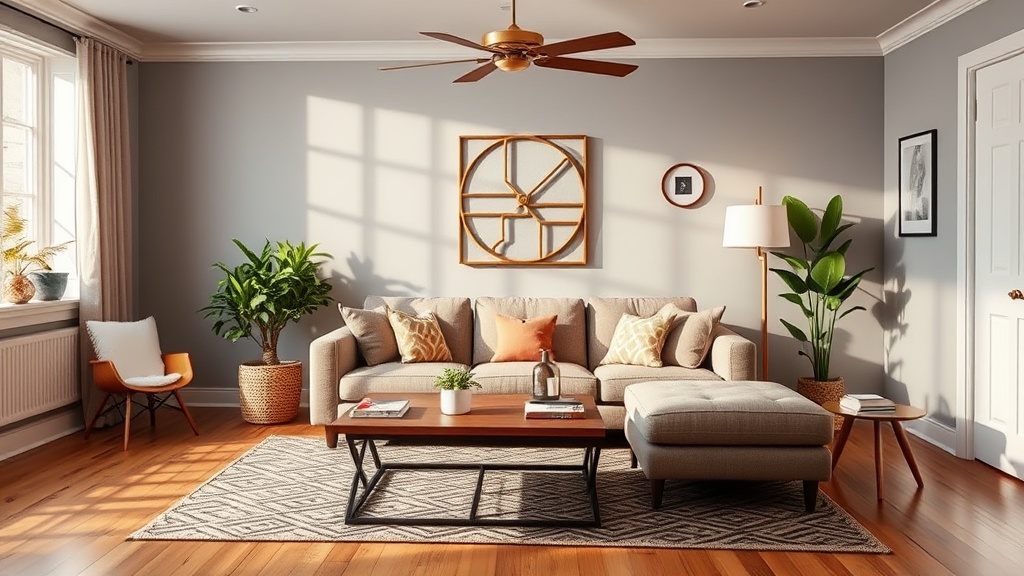
The Ultimate Budget-Friendly Living Room Makeover Guide That Actually Works

A great living room doesn’t come from a big budget—it comes from smart decisions, restraint, and knowing where to spend versus where to save. This guide breaks down exactly how to transform your living room step by step without wasting money on trends that fade or items that don’t hold up.
Start With a Clear Plan (Before You Buy Anything)
Most budget decorating mistakes happen before a single item is purchased. People jump straight into buying decor without understanding their space, which leads to clutter and wasted money.
Walk through your living room and identify three things: what’s working, what feels off, and what’s missing. Measure your space, note lighting conditions, and decide how you actually use the room—lounging, entertaining, working, or all three.
Create a simple mood direction: modern, cozy, minimal, or eclectic. This becomes your filter for every purchase going forward.
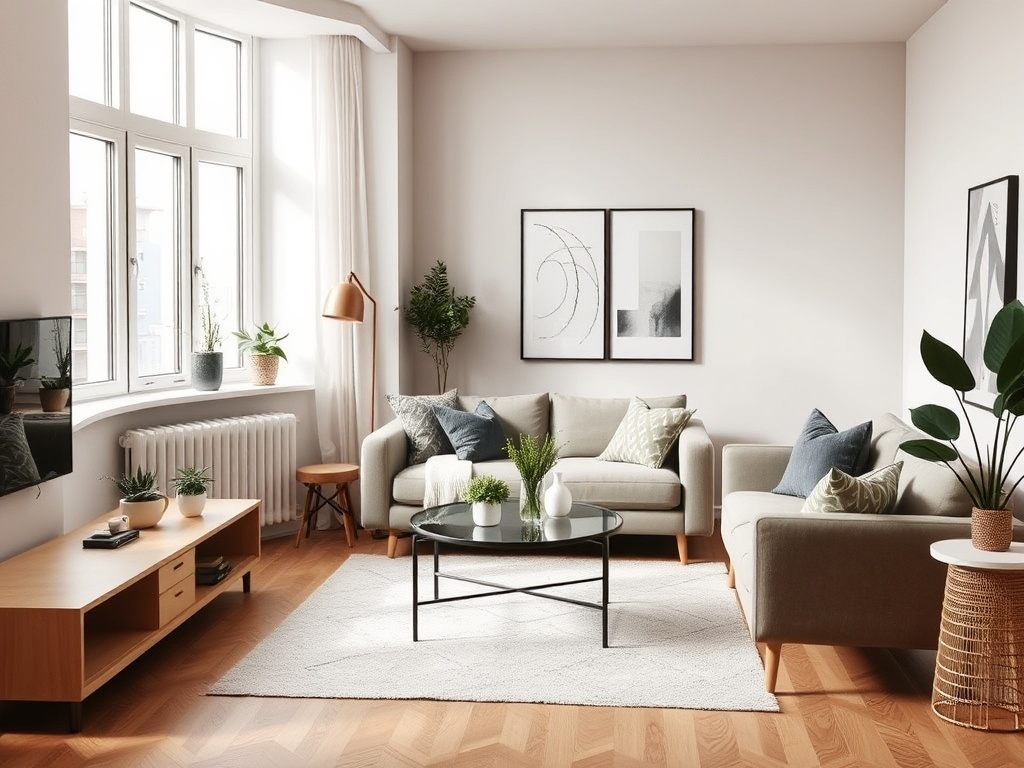
Rearrange Before You Replace
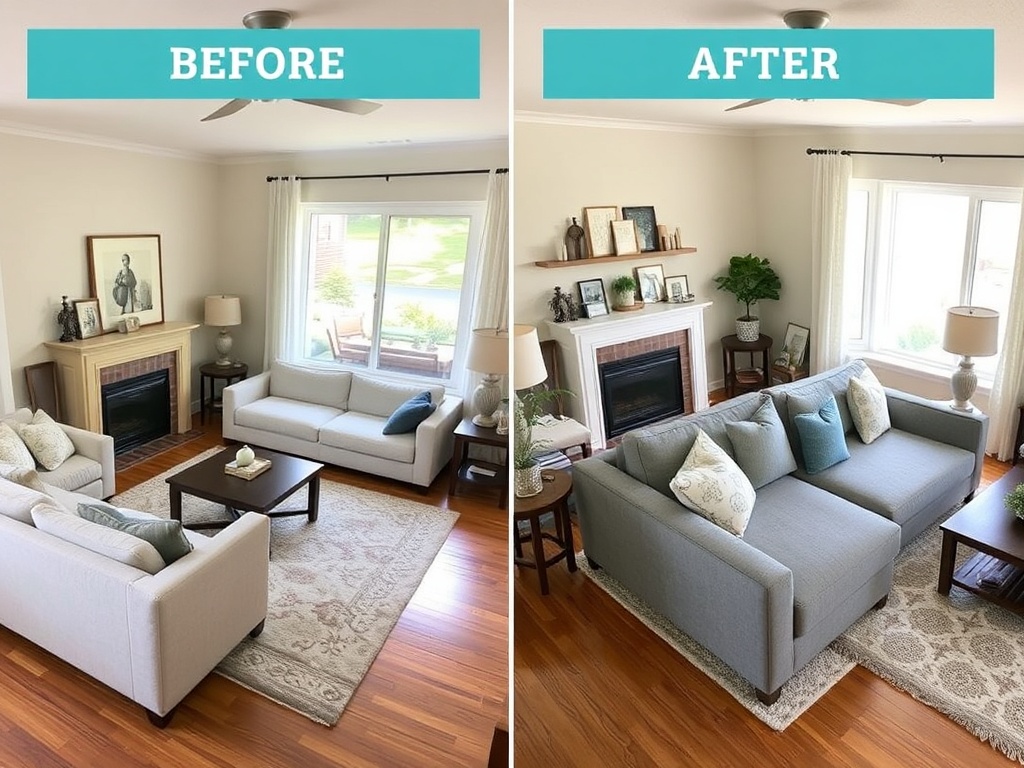
One of the fastest ways to improve a room is to stop thinking about new furniture and start reworking what you already own.
Pull furniture away from walls to create conversation zones. Angle chairs slightly. Center your seating around a focal point like a window or TV. Even small shifts can dramatically improve flow and balance.
If something feels off, it’s often a layout problem—not a furniture problem.
Anchor the Space With an Affordable Rug
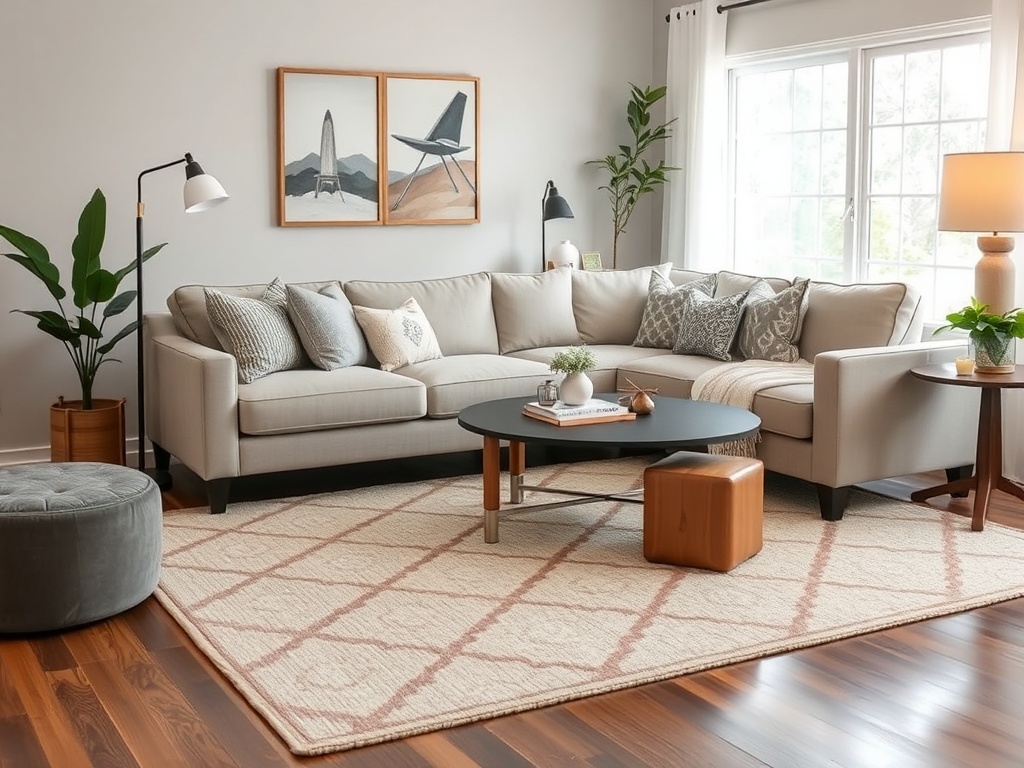
A rug defines your living room more than almost anything else. Without one, spaces feel disconnected and unfinished.
Look for large, budget-friendly rugs—bigger is almost always better. Your front sofa legs should sit on the rug at minimum. Neutral patterns or subtle textures give flexibility if you change decor later.
Flatweave rugs are typically more affordable and easier to clean, making them ideal for high-traffic living rooms.
Upgrade Lighting (The Most Overlooked Fix)
Lighting is where budget rooms either succeed or fail. Overhead lighting alone creates harsh, flat spaces.
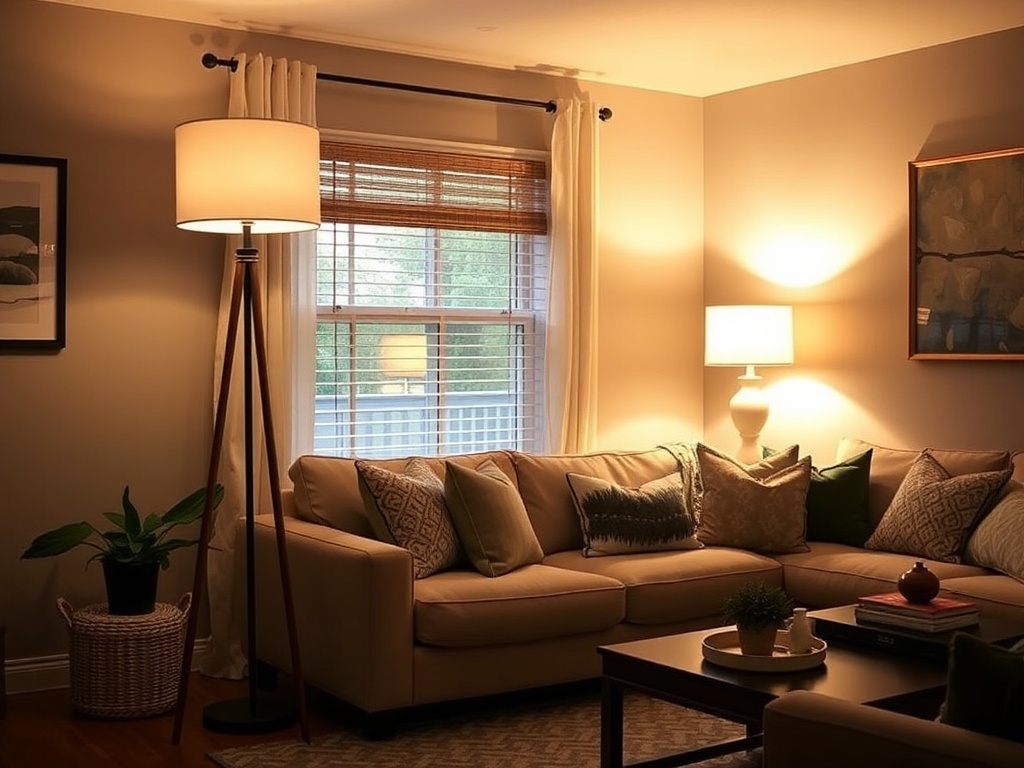
Add at least two additional light sources: a floor lamp and a table lamp. Warm bulbs instantly make the room feel more inviting. Look for secondhand or simple modern designs that blend in instead of dominating.
Layered lighting creates depth without requiring expensive renovations.
Use Pillows and Throws Strategically
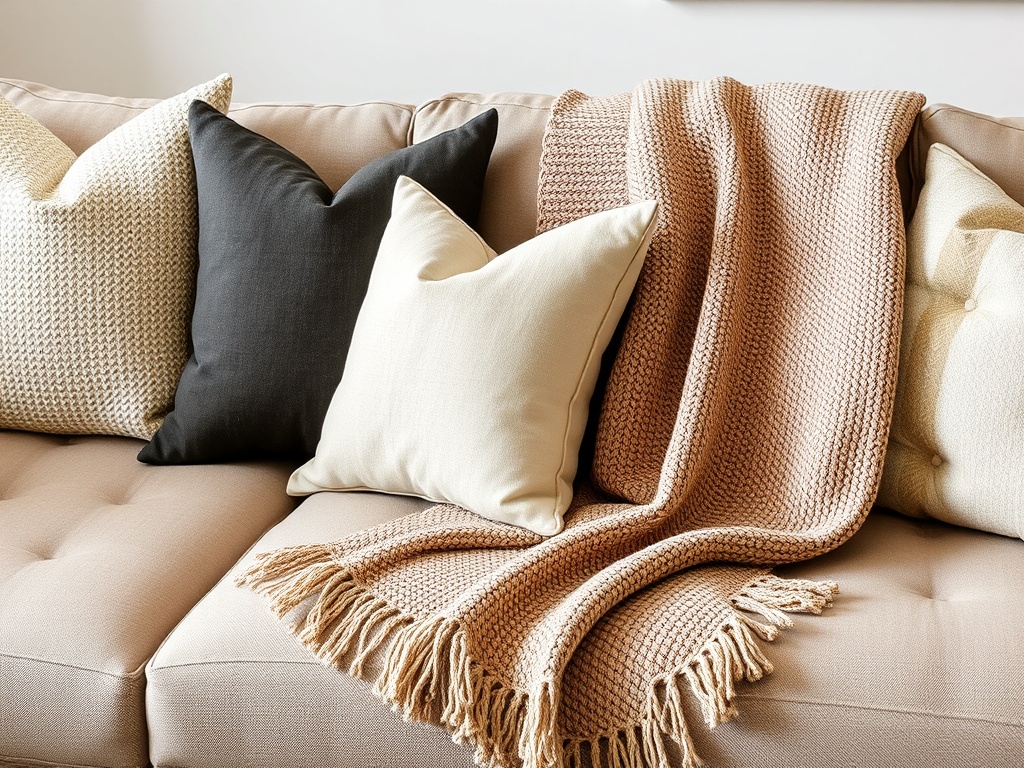
Throw pillows are often overused and mismatched. Instead of buying many cheap options, choose a few cohesive ones.
Stick to a color palette of 2–3 tones and mix textures rather than patterns. Add one throw blanket to soften the space and make it feel intentional.
This is one of the cheapest ways to elevate your room instantly.
Add Personality With Wall Art (Without Overspending)
Blank walls make even well-furnished rooms feel incomplete. But art doesn’t have to be expensive.
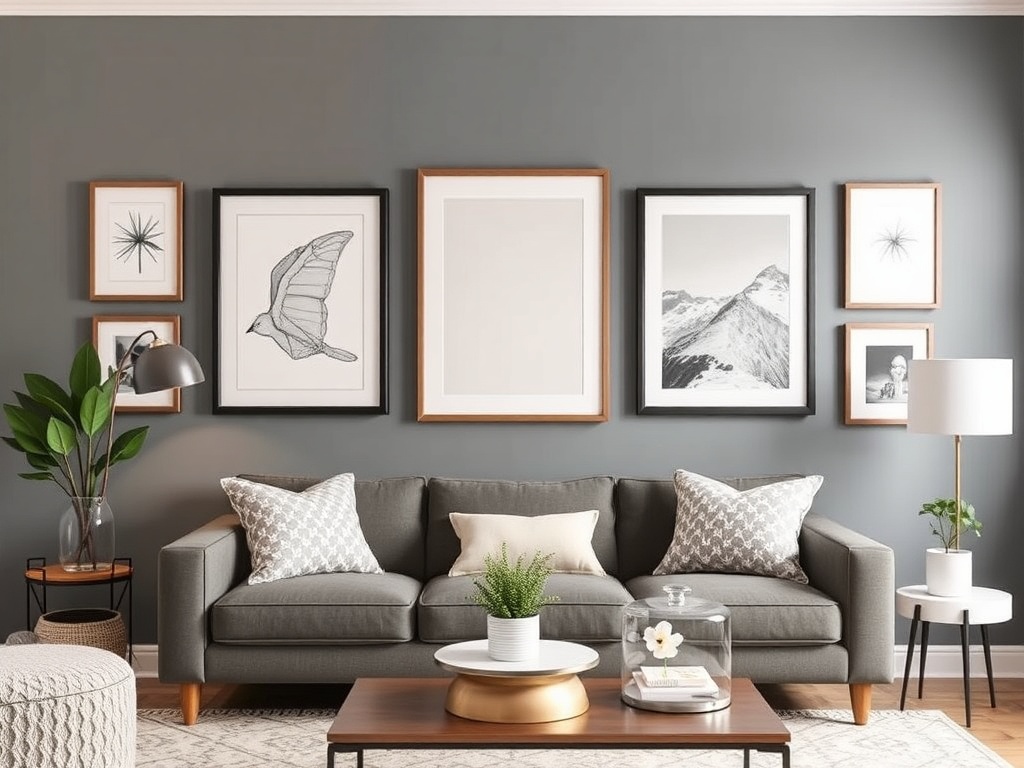
Use printable art, thrifted frames, or DIY pieces. Large-scale art often looks more expensive than multiple small pieces, so prioritize size over quantity.
Gallery walls work best when there’s a consistent theme or color story tying everything together.
Incorporate Greenery (Real or Faux)
Plants bring life into a space and make everything feel more polished. If you’re on a tight budget, start small.
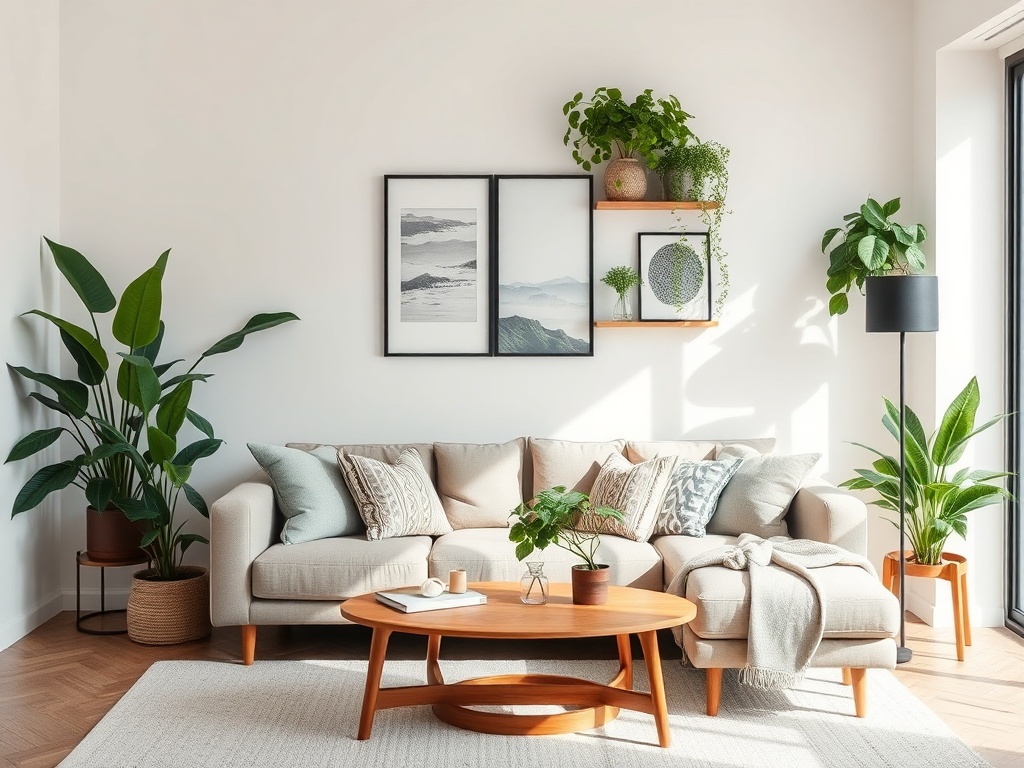
Use one larger plant as a focal point or a few smaller ones grouped together. If maintenance is a concern, high-quality faux plants can still achieve the same visual effect.
Placement matters more than quantity—don’t scatter plants randomly.
Hide Clutter With Smart Storage
Clutter is the fastest way to ruin a budget makeover. The goal isn’t just decorating—it’s controlling visual noise.
Use baskets, storage ottomans, and shelves to keep everyday items out of sight. Choose storage that doubles as decor, like woven baskets or minimal shelving units.
A clean room always looks more expensive than it actually is.
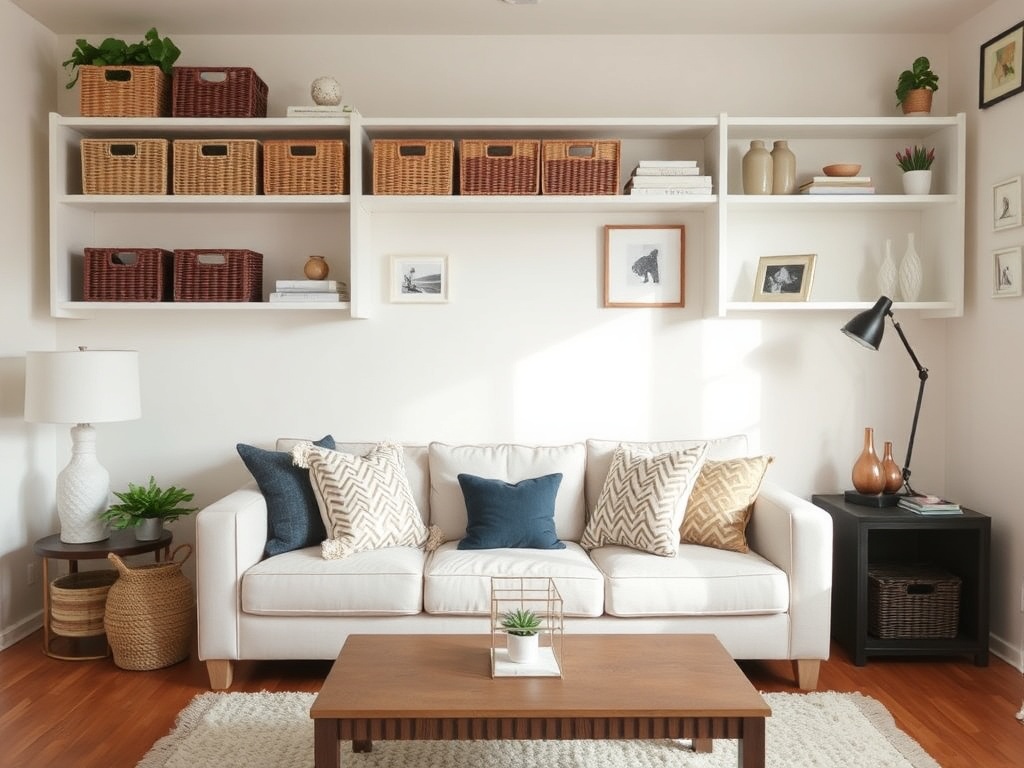
Focus on One Statement Piece
Instead of spreading your budget across many small items, invest in one standout element. This could be a bold chair, a unique coffee table, or an oversized mirror.
This piece becomes the visual anchor of your room and elevates everything around it.
Budget decorating works best when there’s a clear focal point.
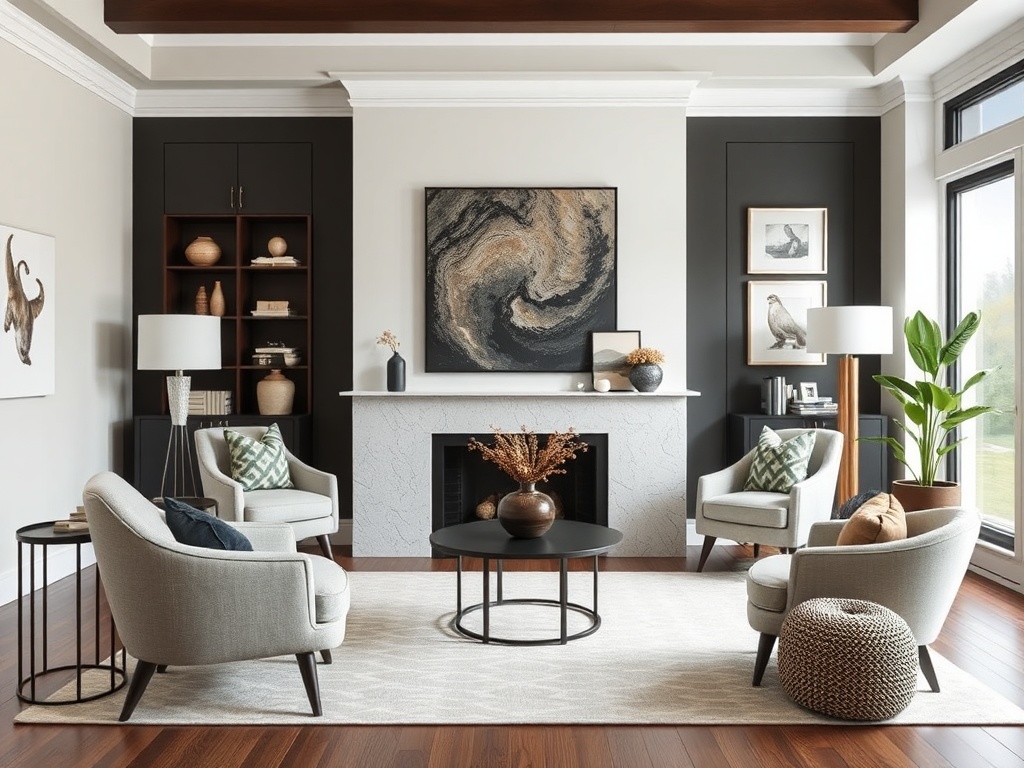
Shop Smarter, Not More
Impulse buying is the enemy of budget design. Take time to compare options, check secondhand listings, and wait for sales.
Mix high and low pieces—pair a budget sofa with a higher-quality coffee table or vice versa. This balance creates a more curated look.
If something doesn’t fit your plan, skip it. Even if it’s cheap.
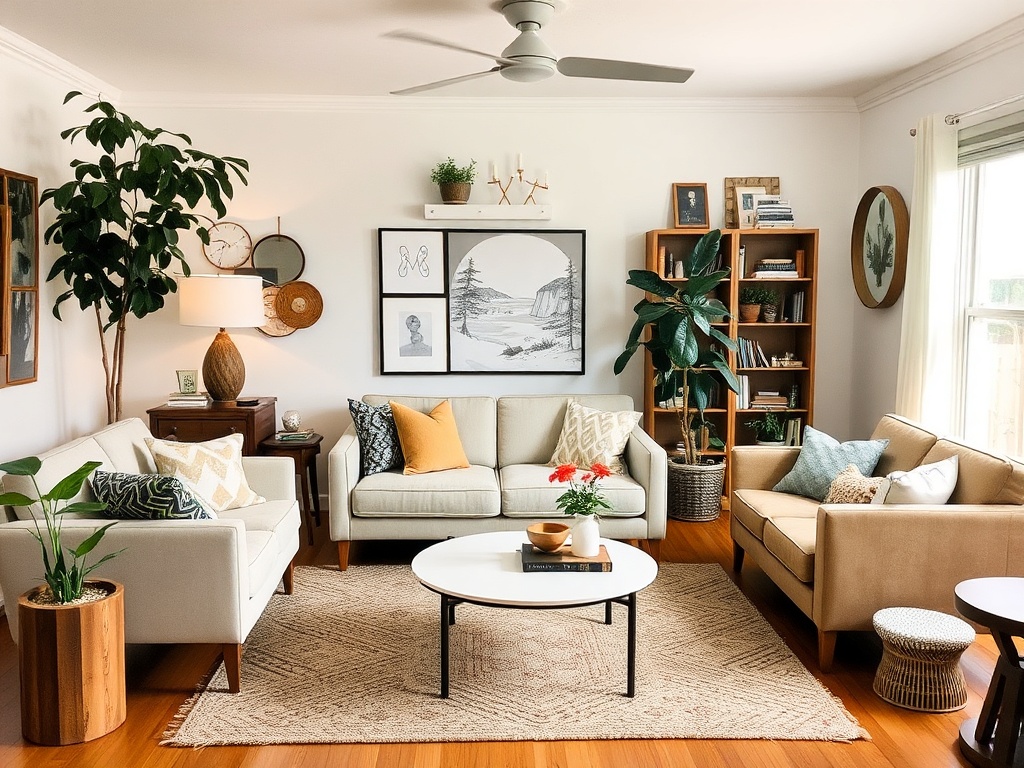
Final Touches That Pull Everything Together
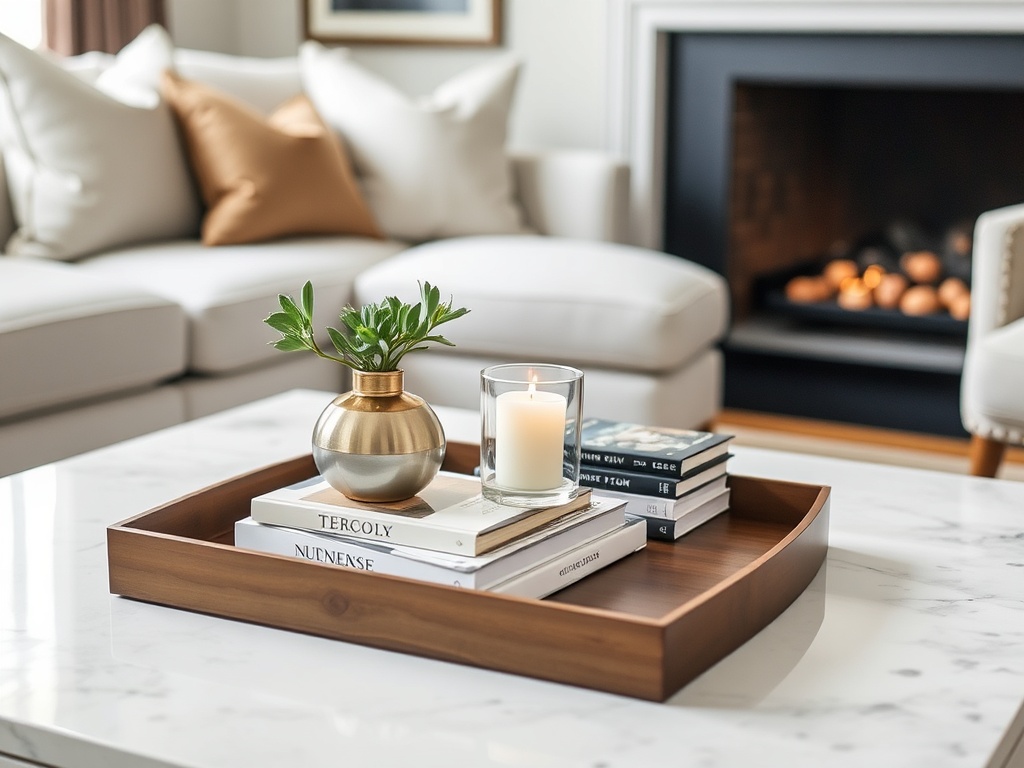
Once the main elements are in place, small details make the difference. Style your coffee table with a tray, books, and a candle. Adjust spacing between items so nothing feels crowded.
Step back and edit—removing items is often more powerful than adding more.
A well-edited living room always looks intentional, regardless of budget.
Transforming your living room doesn’t require a big budget—it requires clarity, discipline, and a willingness to rethink how you use your space. Follow these steps, and you’ll end up with a room that feels cohesive, functional, and genuinely comfortable to live in.