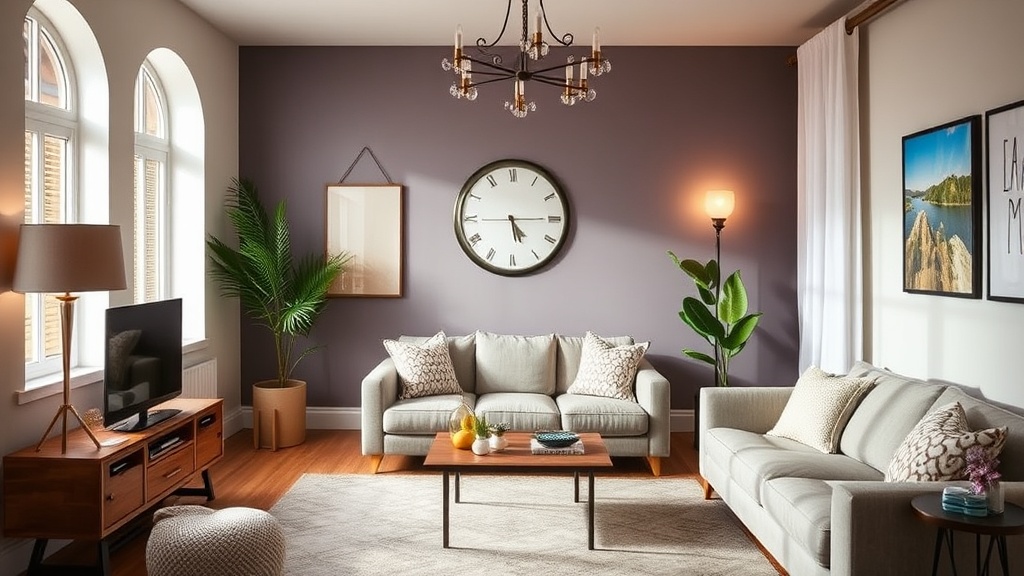
How to Transform Any Room on a Budget: A Step-by-Step Makeover Plan That Actually Works

Refreshing a room doesn’t require a massive budget or a full renovation. The difference between a tired space and a polished one often comes down to a handful of intentional changes layered correctly. This guide walks through a realistic, budget-first system that prioritizes impact per dollar—so you’re not wasting time or money on low-return upgrades.
Step 1: Reset the Room Before You Spend Anything
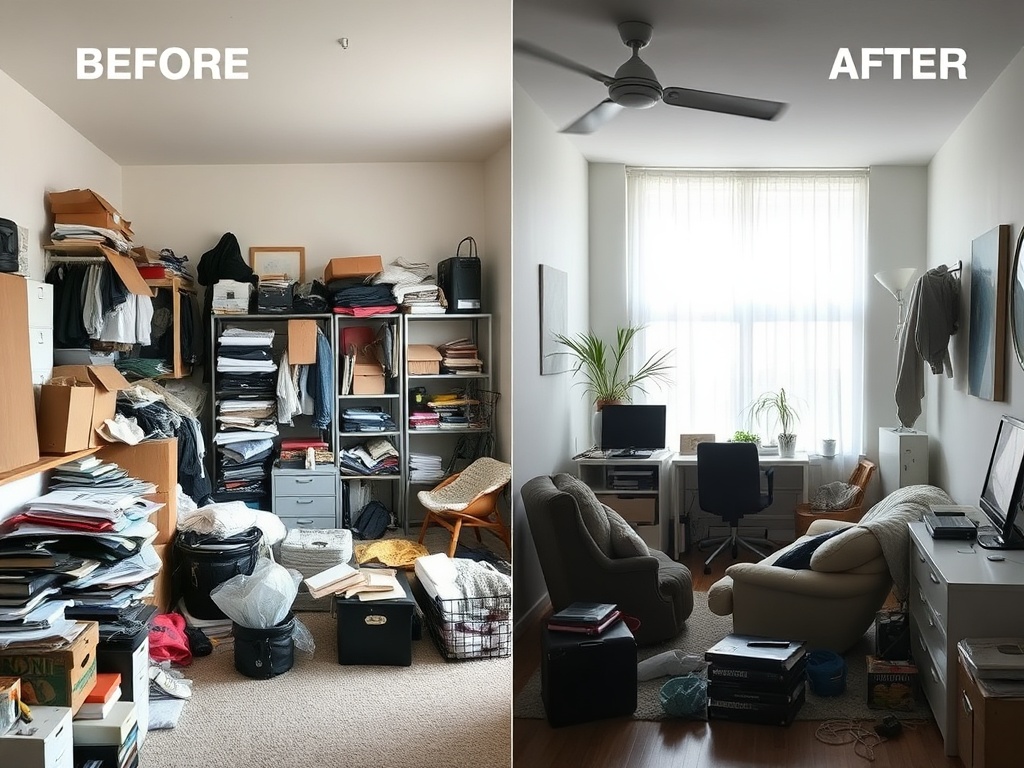
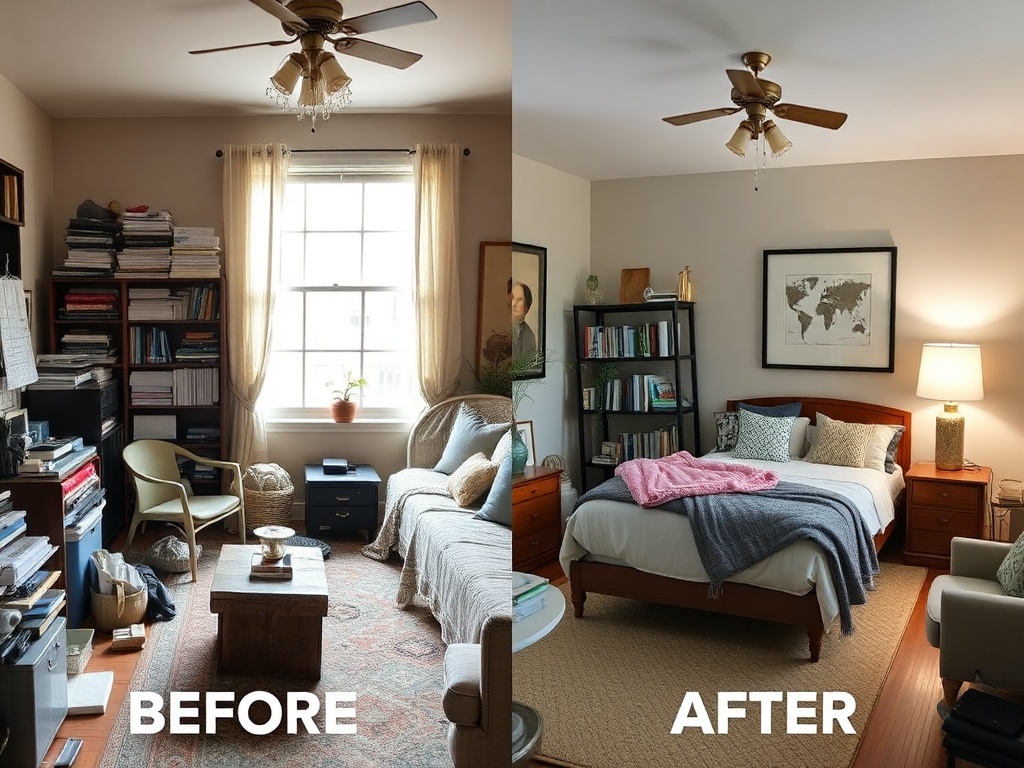
Start with what costs nothing: a full reset. Remove everything that doesn’t belong in the room. Then put back only what earns its place. This process reveals your actual layout problems and prevents unnecessary purchases.
- Declutter aggressively: If you haven’t used it in 6 months, it’s likely visual noise.
- Rearrange furniture: Try at least two alternative layouts before settling.
- Fix obvious issues: Tighten screws, align rugs, straighten art.
This step alone can make a room feel 30% better without spending a cent.
Step 2: Anchor the Space with One Strong Visual Upgrade
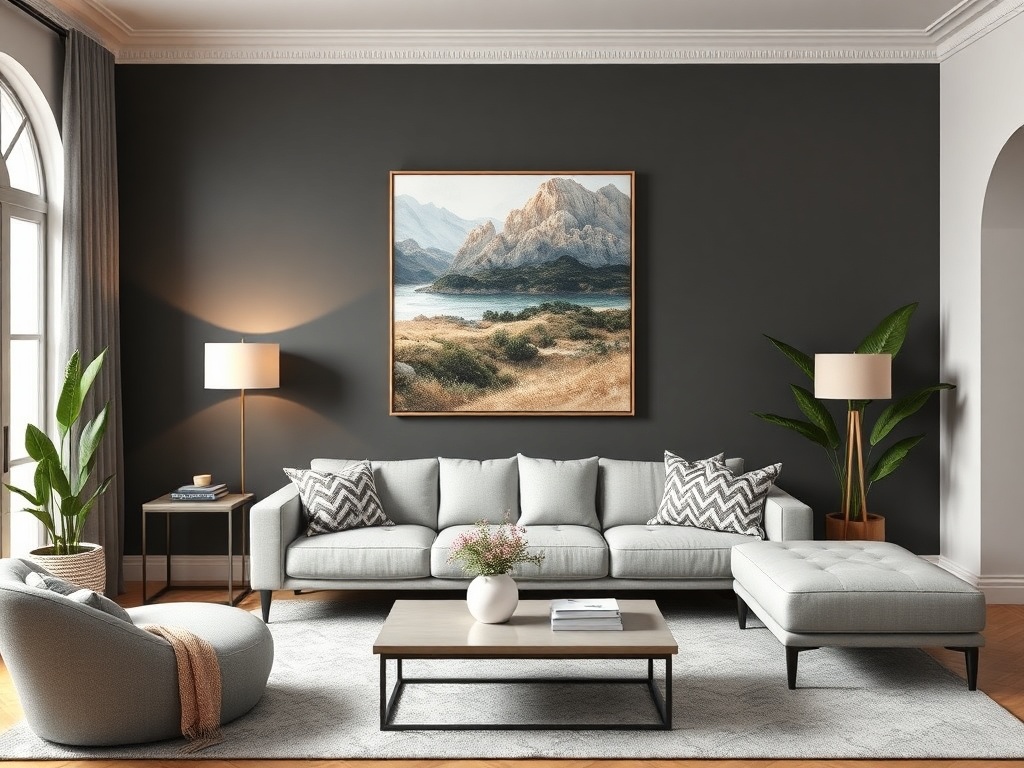
Every room needs a focal point. Instead of scattering small upgrades, invest in one standout feature.
- Paint: A single accent wall can redefine the entire space.
- Large artwork: Oversized prints feel more expensive than small clustered pieces.
- Statement furniture: A thrifted chair with new upholstery can outperform buying cheap new pieces.
Choose one. Not three. The goal is clarity, not clutter.
Step 3: Upgrade Lighting (The Most Underrated Fix)
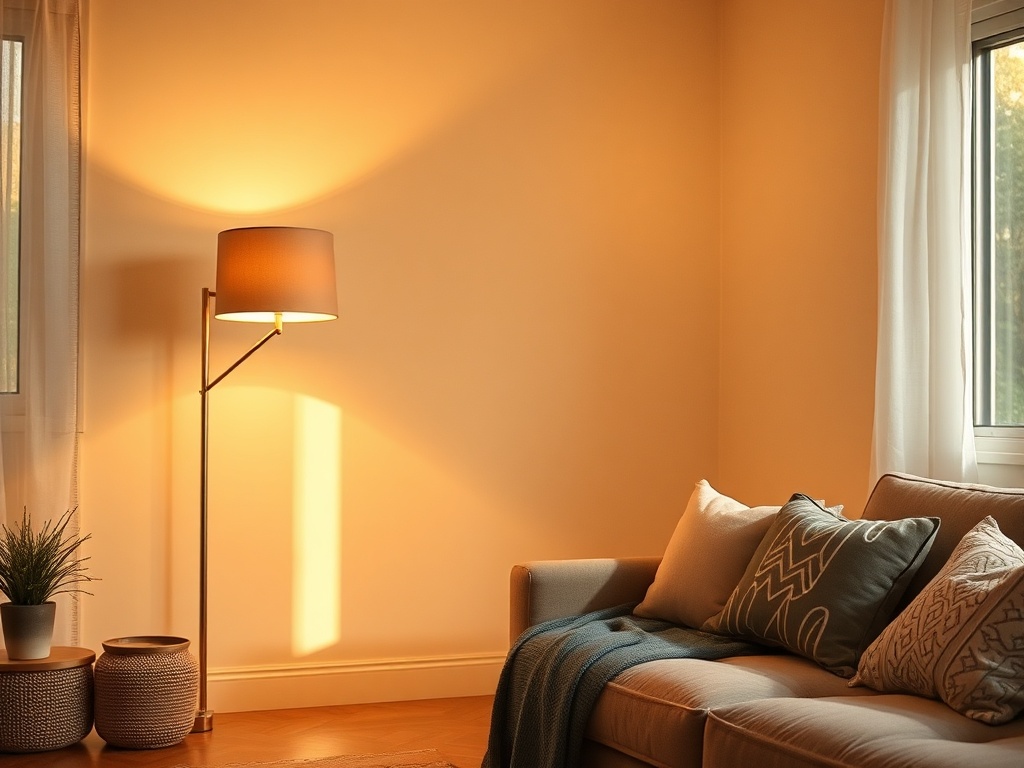
Lighting changes how every other element looks. Most budget rooms fail here.
- Layer your lighting: Combine overhead, floor, and table lamps.
- Switch bulbs: Warm white (2700K–3000K) creates a softer feel.
- Hide harsh sources: Avoid exposed, overly bright bulbs.
If you only have $50–$100 to spend, put it into lighting. The return is immediate.
Step 4: Use Textiles to Add Depth and Warmth
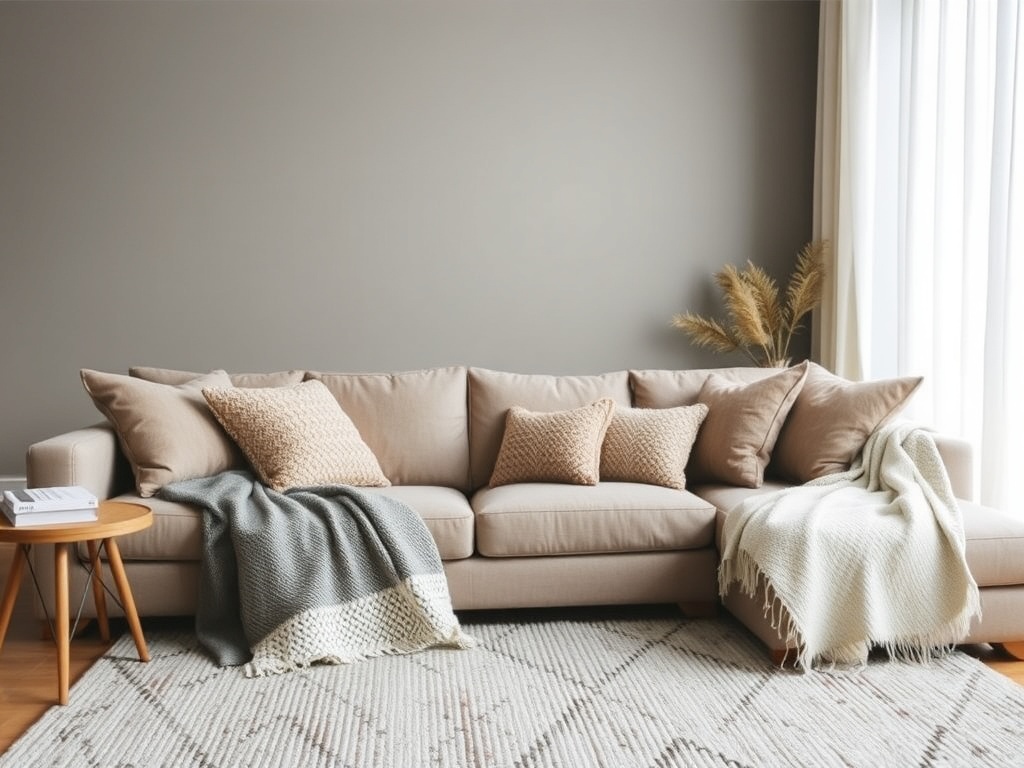
Textiles are the fastest way to make a room feel intentional.
- Rugs: Go larger than you think—undersized rugs make rooms look cheap.
- Throw pillows: Mix textures, not just colors.
- Curtains: Hang higher and wider to create the illusion of bigger windows.
Focus on layering rather than matching. Perfect coordination often looks artificial.
Step 5: Incorporate Budget-Friendly Decor That Looks Custom
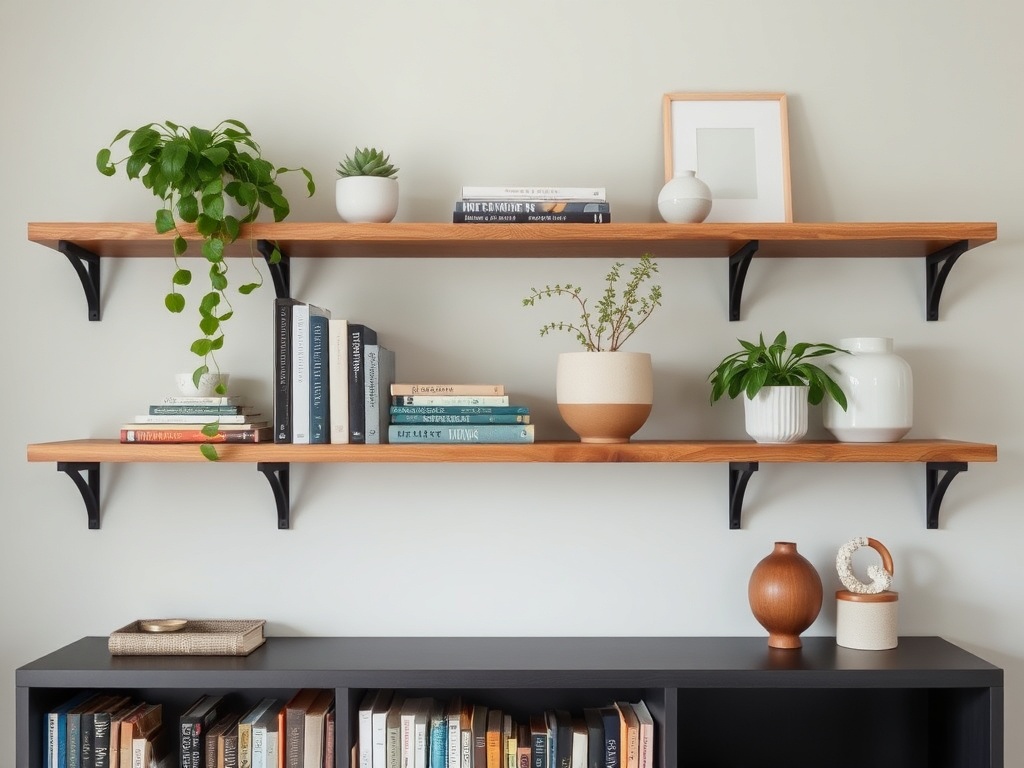
The difference between “decorated” and “styled” is intention. You don’t need expensive items—just better composition.
- Group items in odd numbers: Sets of 3 or 5 feel balanced.
- Vary height and scale: Combine tall, medium, and small objects.
- Add greenery: Real or faux plants instantly soften a space.
Shop your home first. Move items between rooms before buying anything new.
Step 6: Upgrade What You Touch Daily
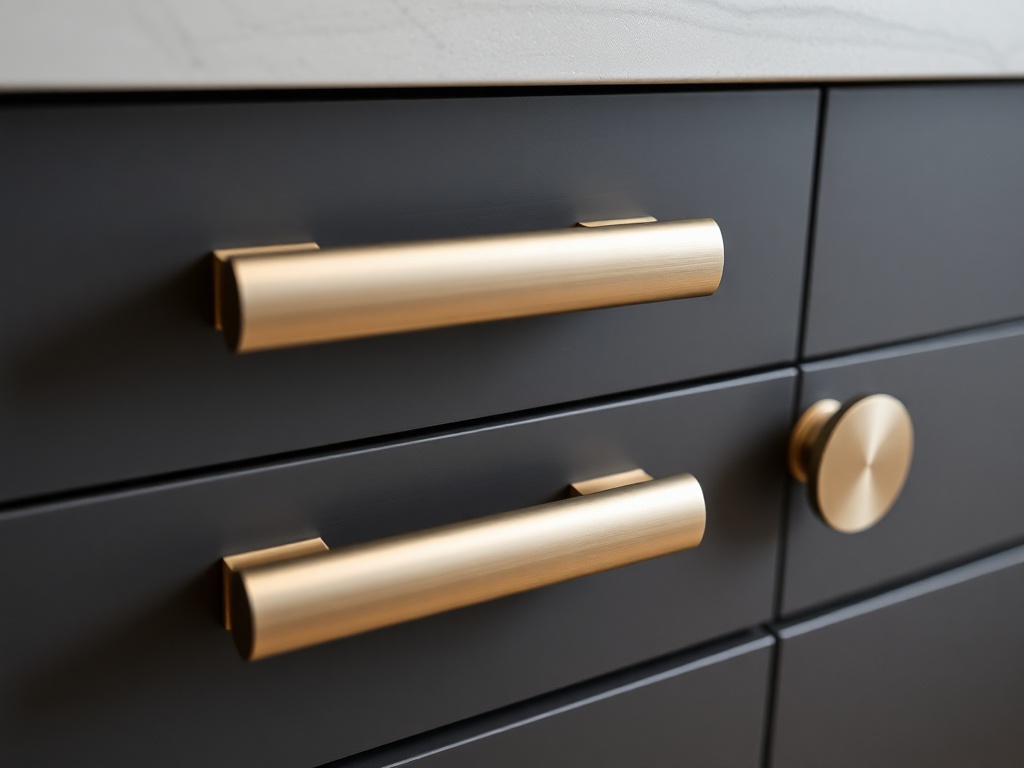
Small tactile upgrades create a disproportionate sense of quality.
- Swap hardware: Cabinet handles and knobs are inexpensive but impactful.
- Upgrade bedding: Crisp, neutral bedding elevates bedrooms instantly.
- Replace worn items: Towels, bath mats, and entry rugs matter more than you think.
These are subtle changes that people feel more than they notice.
Step 7: Add Contrast and Personality (Without Overdoing It)
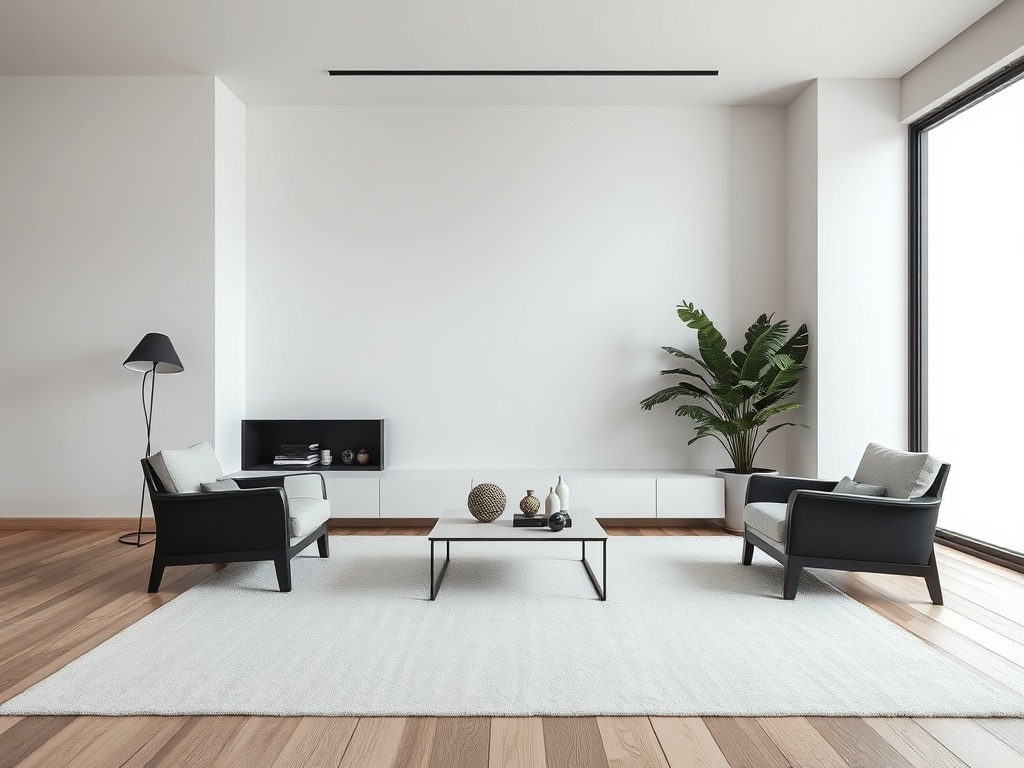
Once the basics are in place, introduce contrast to avoid a flat look.
- Mix materials: Wood, metal, fabric, and glass.
- Add dark accents: Black or deep tones ground a room.
- Limit bold colors: Keep them to 10–20% of the space.
Restraint is what makes a room feel intentional rather than chaotic.
Step 8: Finish with Editing, Not Adding
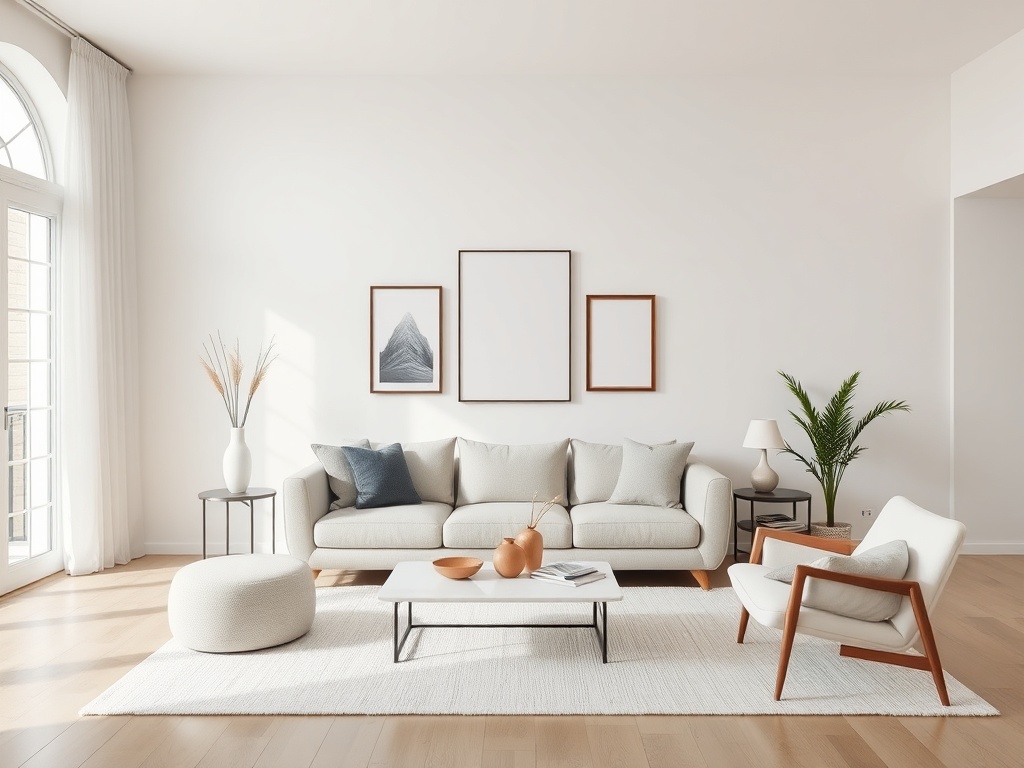
The final step isn’t adding more—it’s removing what doesn’t fit.
- Edit surfaces: Leave breathing room on shelves and tables.
- Check alignment: Crooked art and uneven spacing break the illusion.
- Step back: View the room from the doorway for perspective.
Great spaces feel calm because they are edited, not because they are full.
Common Budget Mistakes to Avoid
- Buying too many small decor items instead of one impactful piece
- Choosing rugs that are too small for the space
- Ignoring lighting quality
- Trying to match everything instead of layering textures
- Skipping the decluttering step
The Budget Breakdown Strategy
If you’re working with a limited budget (say $200–$500), allocate it strategically:
- 40% on your focal point (paint, art, or statement piece)
- 30% on textiles (rug, pillows, curtains)
- 20% on lighting
- 10% on small upgrades (hardware, decor)
This distribution maximizes visual impact while avoiding waste.
Final Thoughts
A well-designed room isn’t about how much you spend—it’s about how deliberately you spend it. By following this sequence, you avoid the common trap of random purchases and instead build a space that feels cohesive, functional, and surprisingly elevated for the cost.
Work step by step, resist impulse buys, and focus on impact. That’s how budget decor actually works.