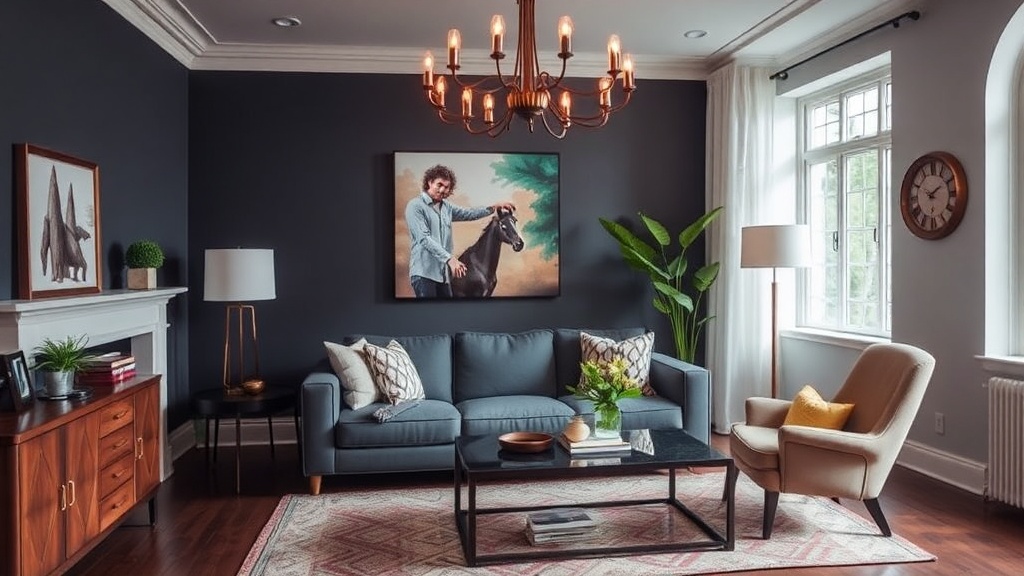
17 Budget Decor Tricks That Make Your Home Look Expensive (Without Spending Much)

Upgrade Your Lighting (Even Just One Fixture)
Stick to a Tight Color Palette
Use Larger-Scale Art Instead of Small Pieces
Layer Your Lighting Sources
Swap Out Hardware on Cabinets
Add Floor-Length Curtains
Hide Visual Clutter
Incorporate Texture, Not Just Color
Style with Fewer, Better Pieces
Use Mirrors Strategically
Refresh Throw Pillows and Covers
Upgrade Your Bedding
Add Greenery (Real or Faux)
Replace or Upgrade Rugs
Keep Surfaces Clean and Balanced
Paint One Accent Wall (Carefully)
Pay Attention to Scent and Atmosphere
You don’t need a designer budget to create a home that looks polished, intentional, and surprisingly high-end. What actually makes a space feel expensive isn’t the price tag—it’s the choices. Thoughtful lighting, cohesive colors, and a few strategic upgrades can completely shift how a room is perceived.
This list focuses on the small moves that deliver outsized impact. Each one is affordable, renter-friendly, and proven to elevate a space fast.
1. Upgrade Your Lighting (Even Just One Fixture)
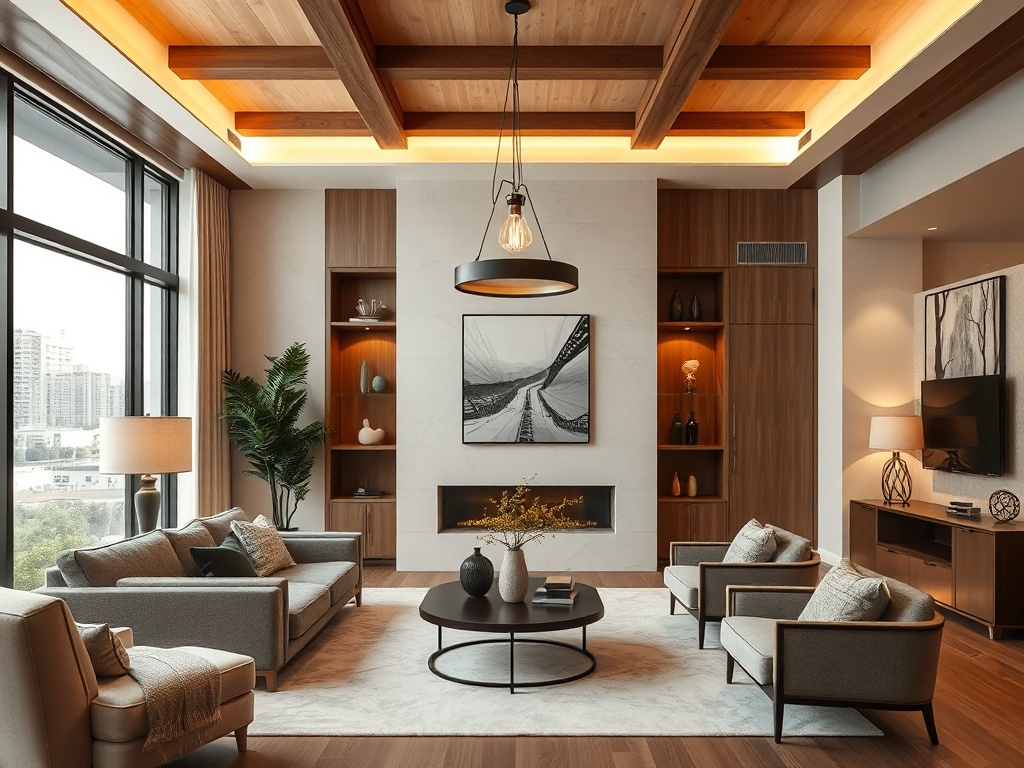
Lighting is one of the fastest ways to change the mood of a room. Swapping out a basic ceiling fixture for a modern pendant or adding a sculptural table lamp instantly creates a more intentional look.
Warm light bulbs (around 2700K) also make everything feel softer and more inviting compared to harsh white lighting.
2. Stick to a Tight Color Palette
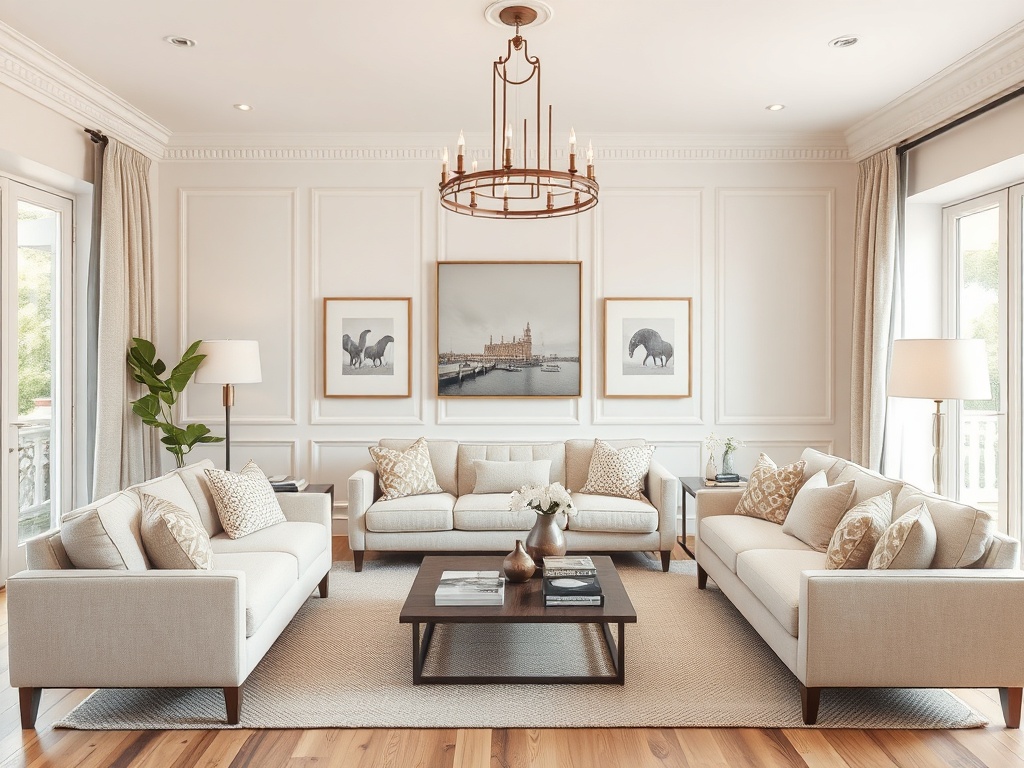
Rooms that feel expensive rarely use a chaotic mix of colors. Choose 2–3 main tones and repeat them across furniture, textiles, and decor. Neutrals with one accent color tend to feel the most elevated.
3. Use Larger-Scale Art Instead of Small Pieces
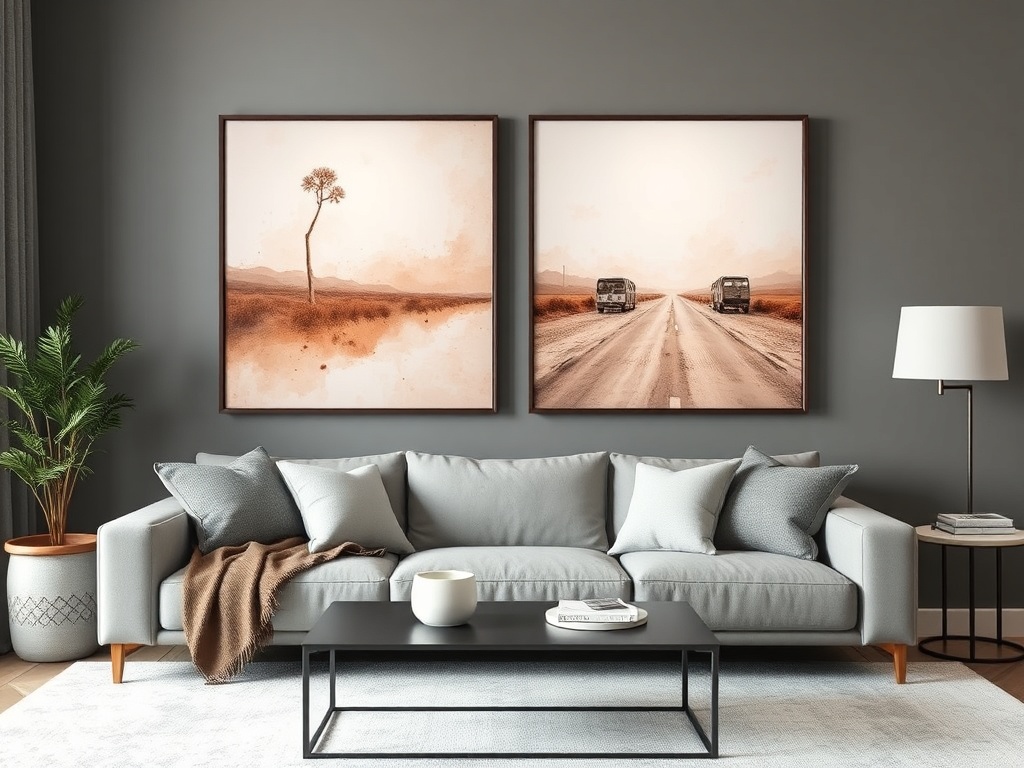
Multiple tiny frames can feel cluttered. One oversized piece—or a clean gallery set—creates a focal point and makes the room feel curated instead of crowded.
4. Layer Your Lighting Sources
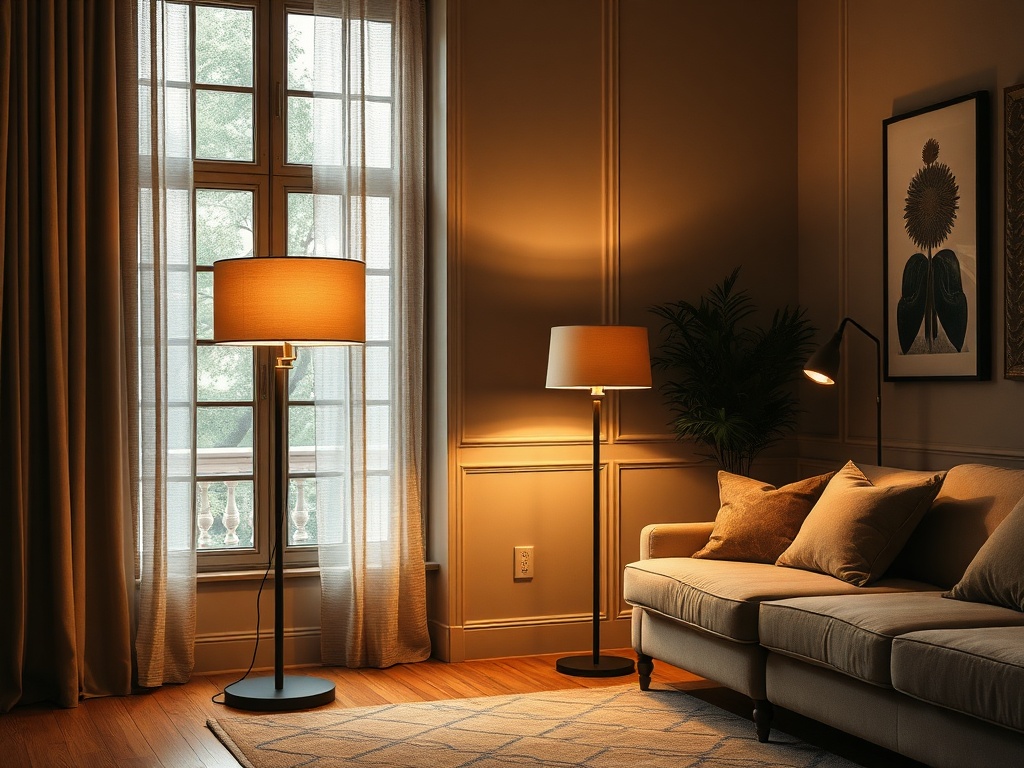
Relying on a single overhead light flattens a space. Combine floor lamps, table lamps, and accent lighting to create depth and warmth.
5. Swap Out Hardware on Cabinets
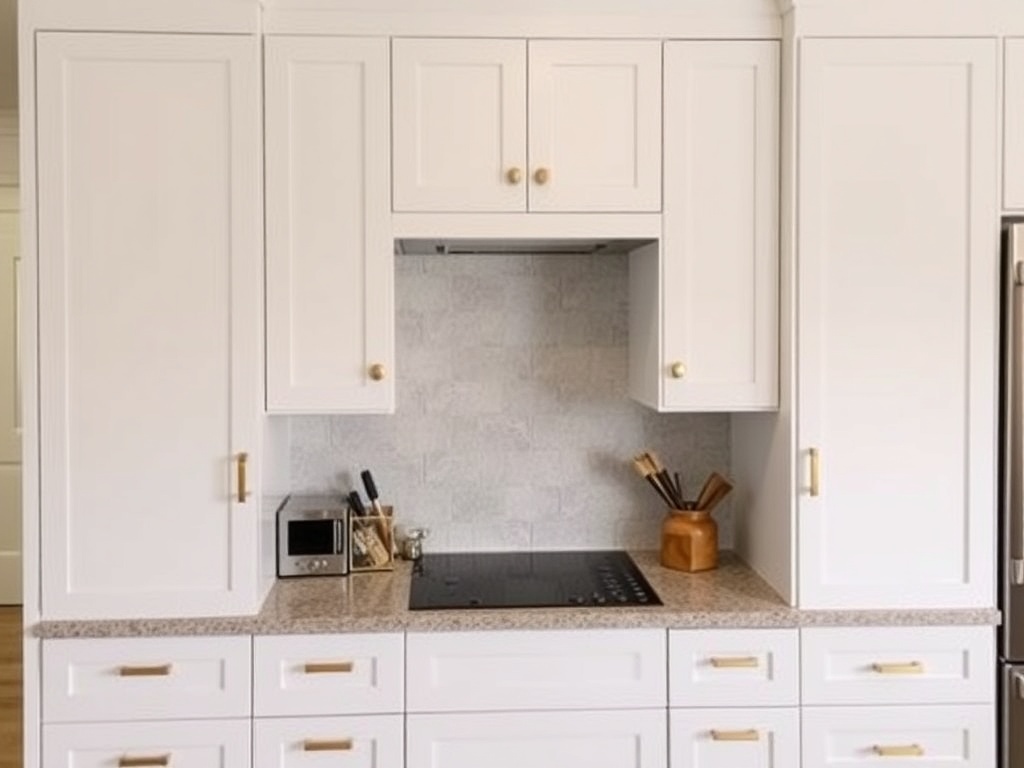
Changing cabinet handles in kitchens or bathrooms is inexpensive but impactful. Matte black, brushed brass, or sleek chrome can modernize old cabinetry instantly.
6. Add Floor-Length Curtains
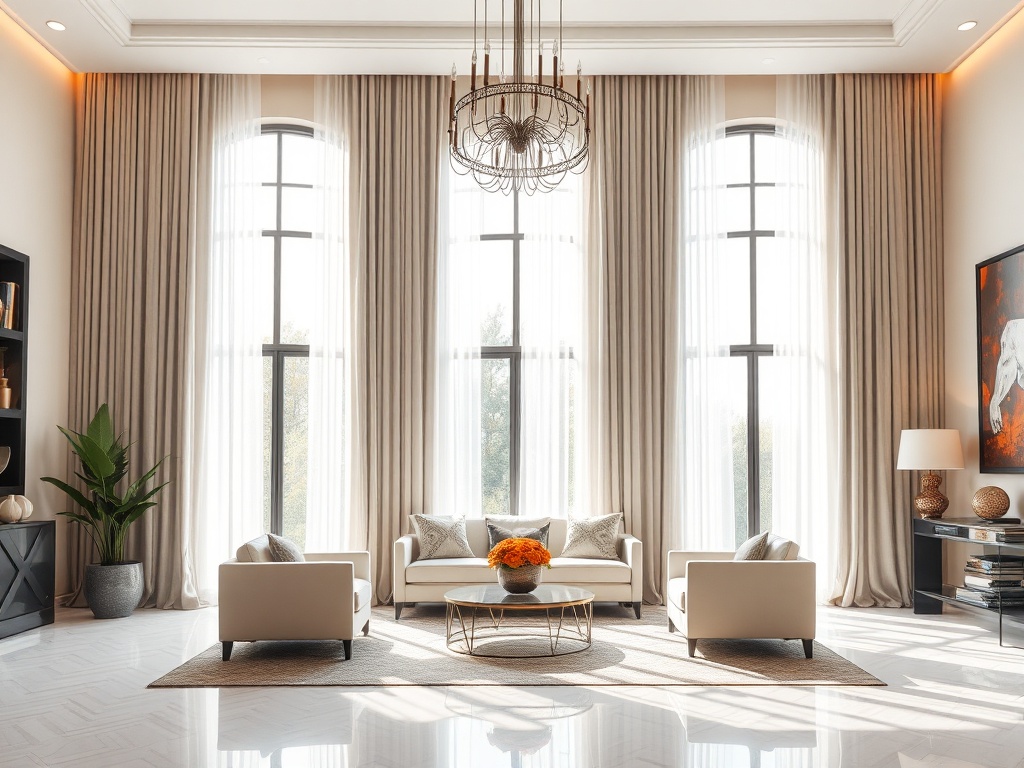
Hang curtains higher and wider than your windows. This trick makes ceilings appear taller and windows larger—both cues of a more upscale home.
7. Hide Visual Clutter
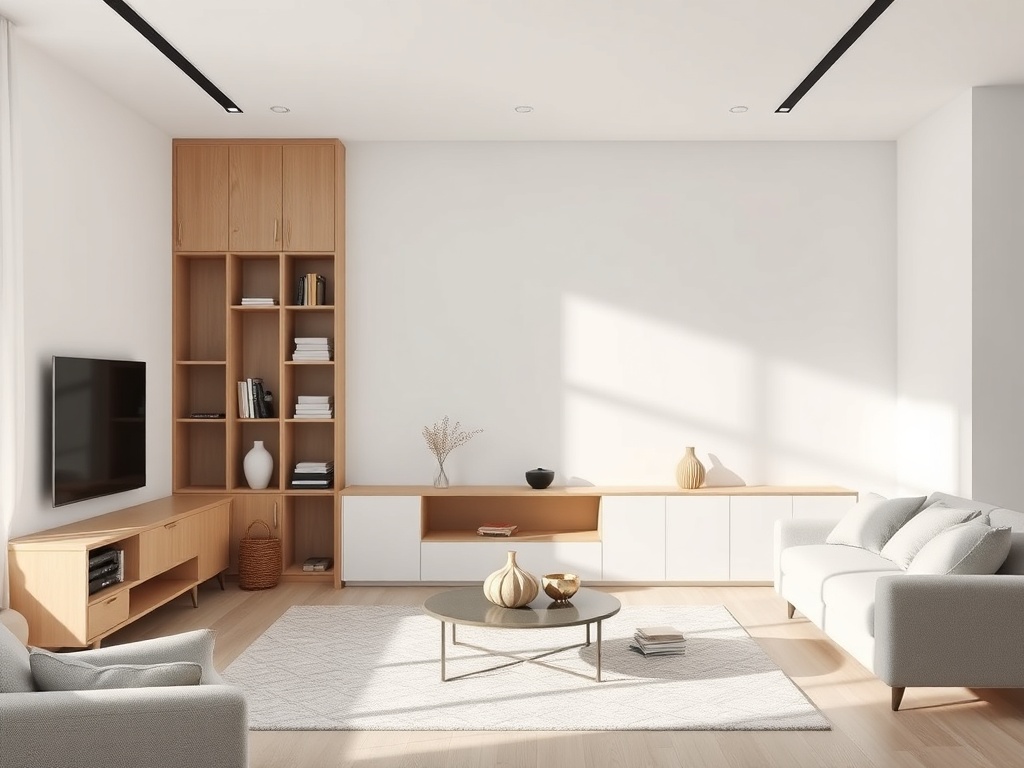
Clutter is the fastest way to make a space feel cheap. Use baskets, trays, and closed storage to keep everyday items out of sight.
8. Incorporate Texture, Not Just Color
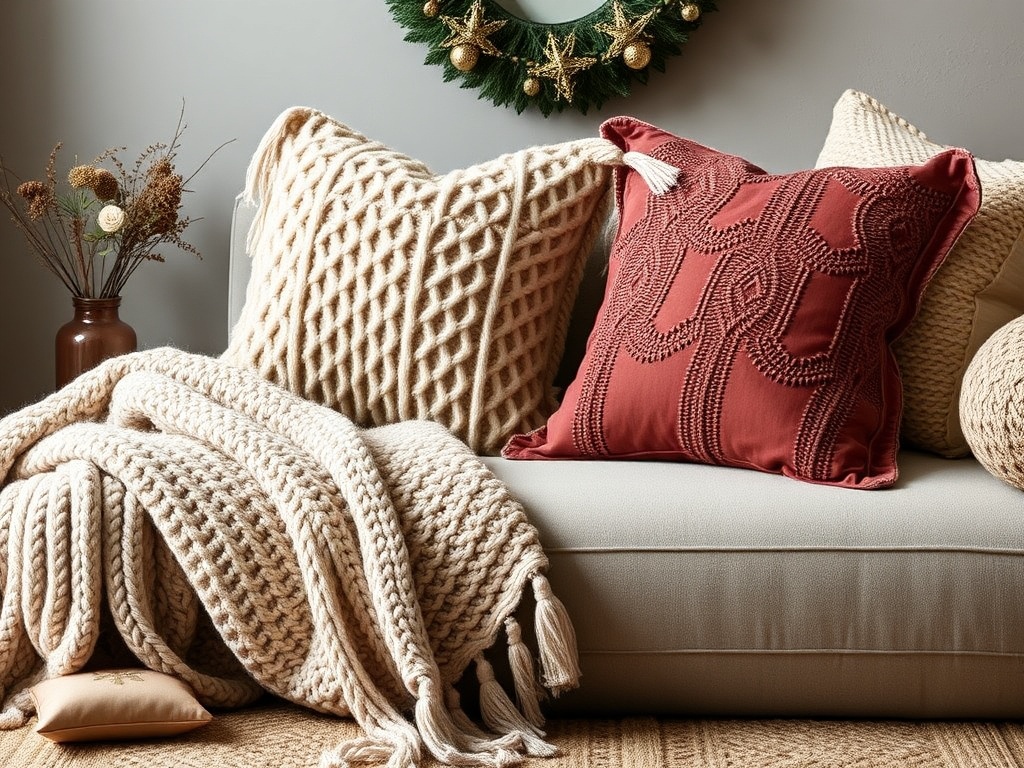
Mix materials like linen, velvet, wood, and metal. Even if everything is neutral, texture adds richness and dimension.
9. Style with Fewer, Better Pieces
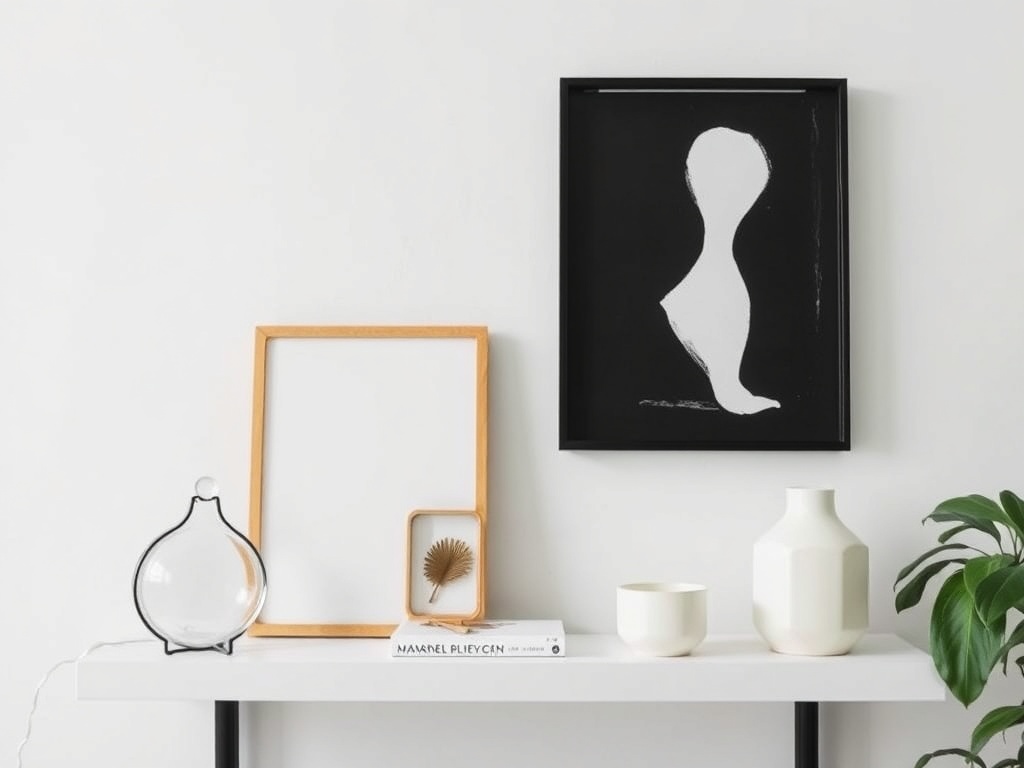
Instead of filling shelves, choose a few standout objects and give them space. This creates a curated, gallery-like effect.
10. Use Mirrors Strategically
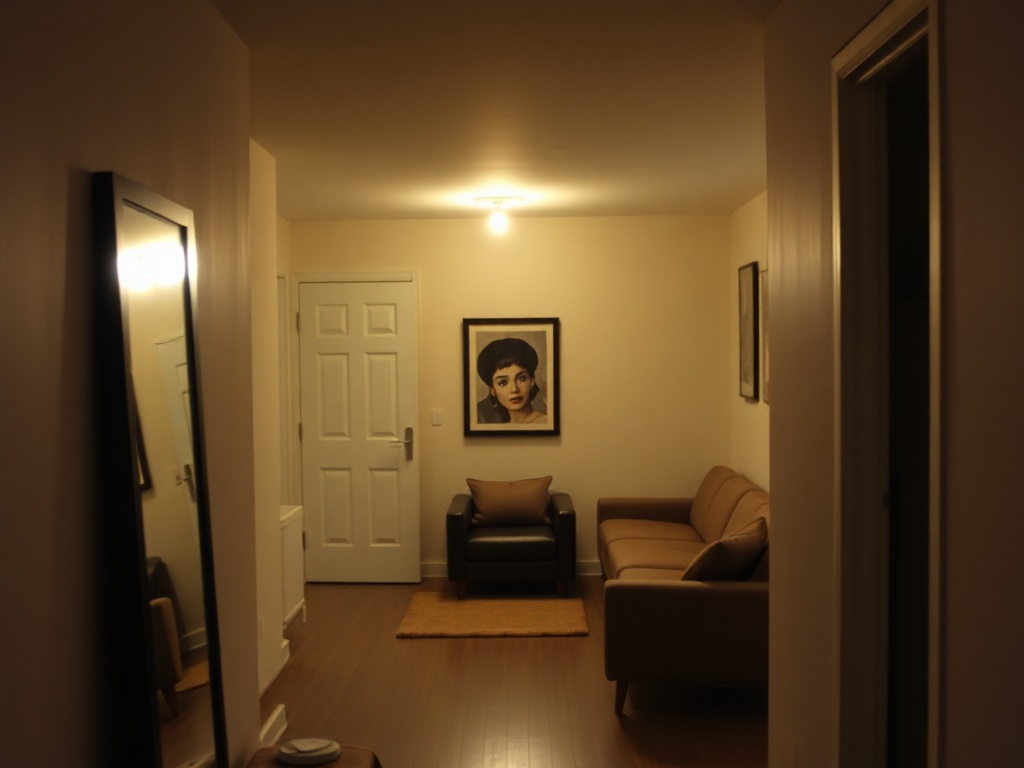
Mirrors reflect light and visually expand rooms. Position them across from windows or light sources for maximum impact.
11. Refresh Throw Pillows and Covers
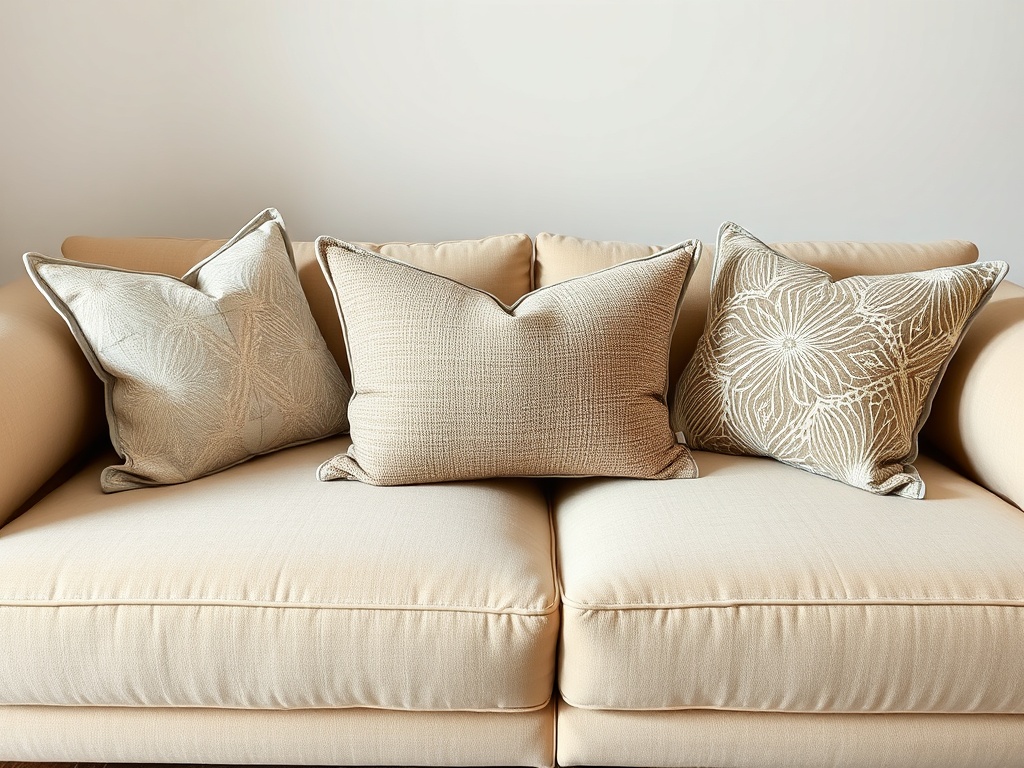
New pillow covers are one of the cheapest decor updates. Stick to cohesive tones and mix subtle patterns for a designer feel.
12. Upgrade Your Bedding
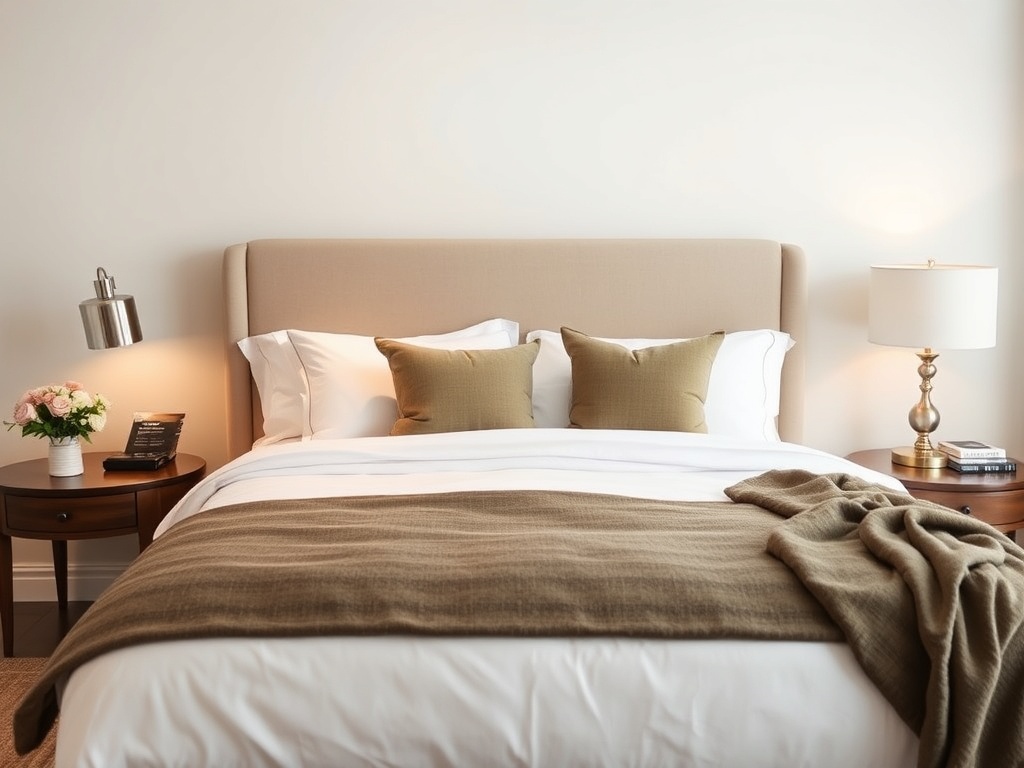
Crisp sheets, layered pillows, and a simple color scheme can make your bedroom feel like a boutique hotel.
13. Add Greenery (Real or Faux)
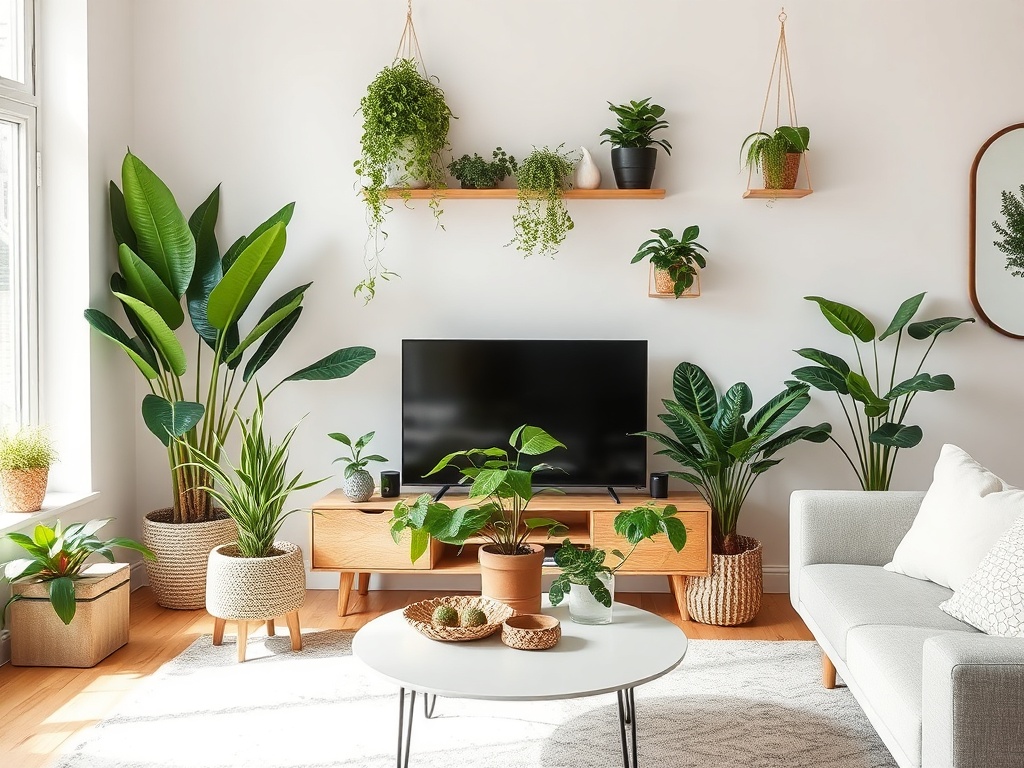
Plants bring life into a room. Even one large plant can elevate the entire space.
14. Replace or Upgrade Rugs
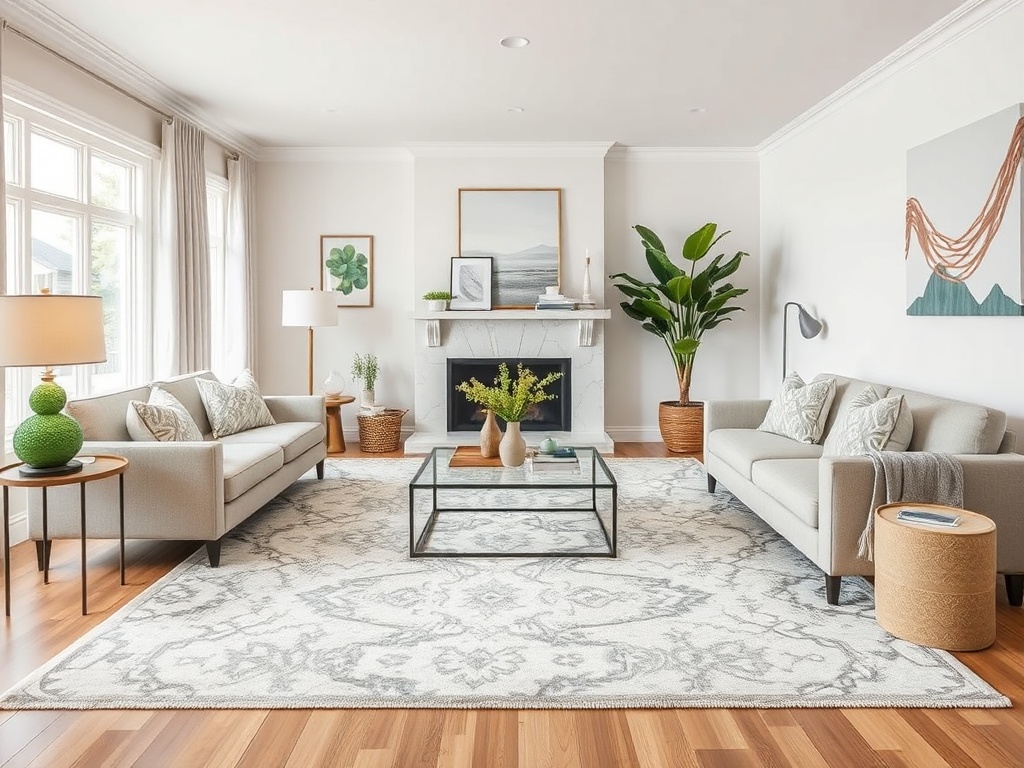
A rug that’s too small makes a room feel off. Go bigger than you think—your furniture should at least partially sit on it.
15. Keep Surfaces Clean and Balanced
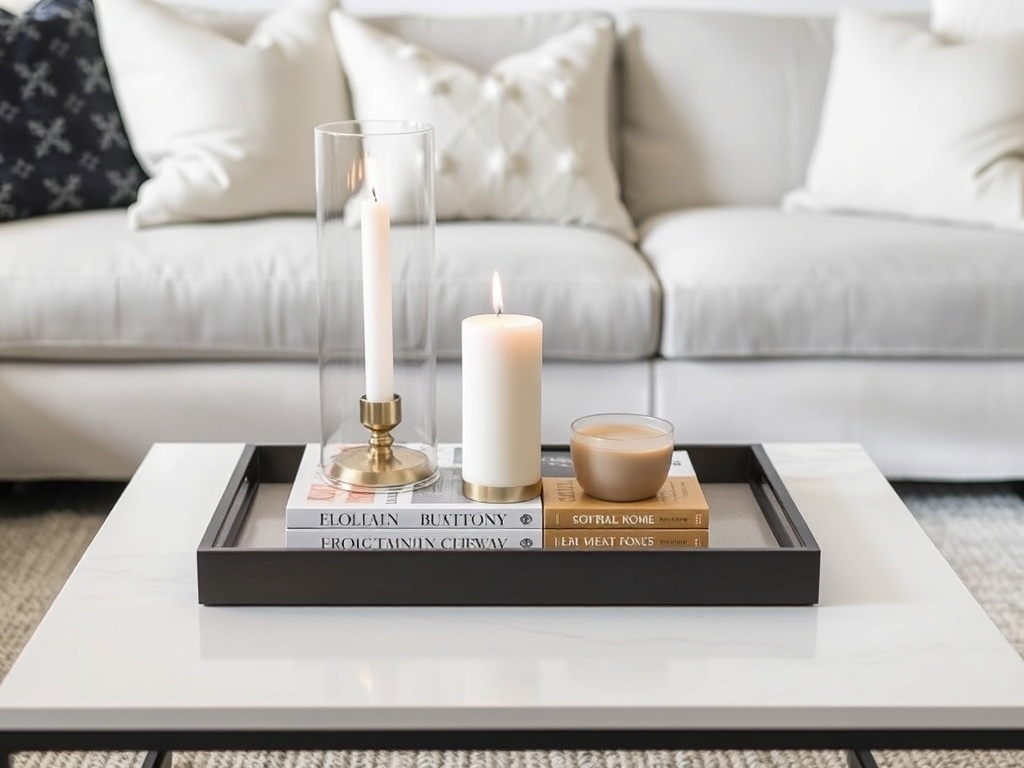
Balance is key. Use trays to group items and leave negative space so surfaces don’t feel overcrowded.
16. Paint One Accent Wall (Carefully)
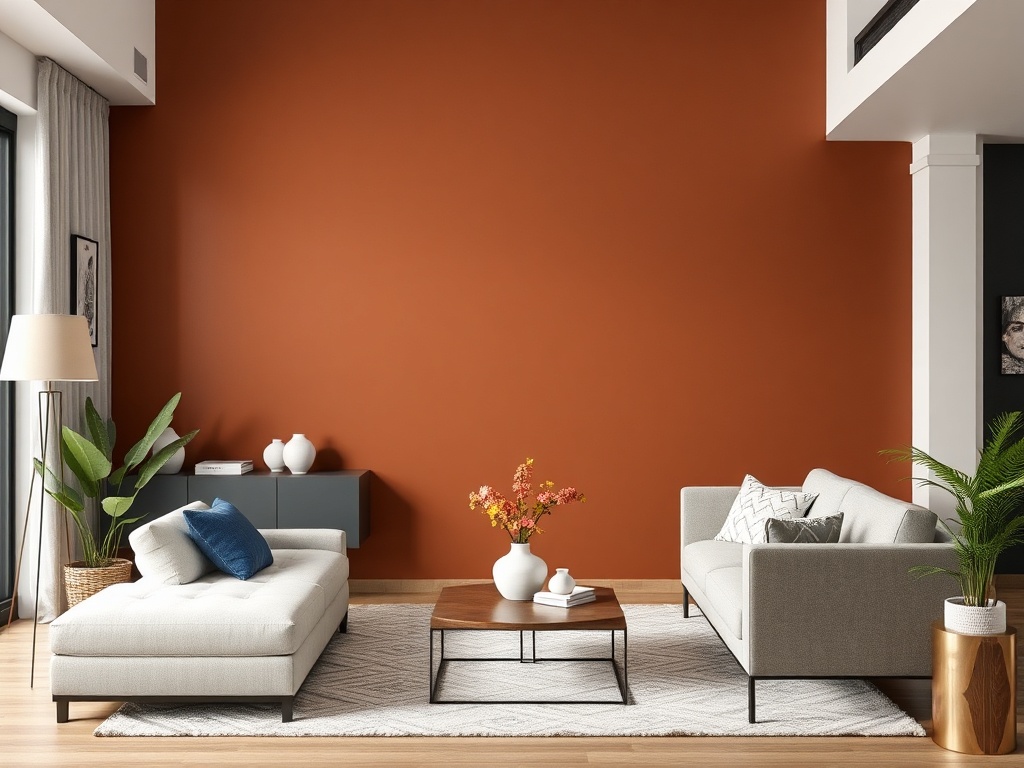
A deep, rich color on one wall can add drama—just keep the rest of the palette simple to avoid visual overload.
17. Pay Attention to Scent and Atmosphere
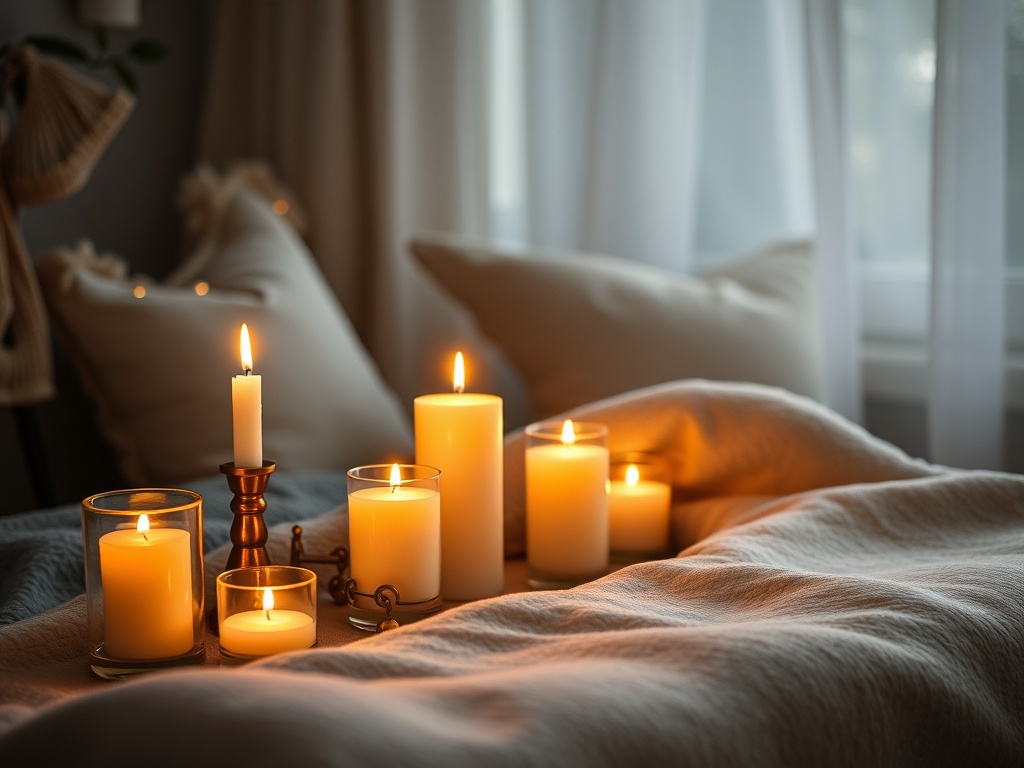
Expensive spaces appeal to more than just sight. Candles, diffusers, and subtle scents make a home feel complete.
None of these ideas require a full renovation. Start with one or two changes and build from there. The goal isn’t to copy a showroom—it’s to create a space that feels intentional, calm, and pulled together.