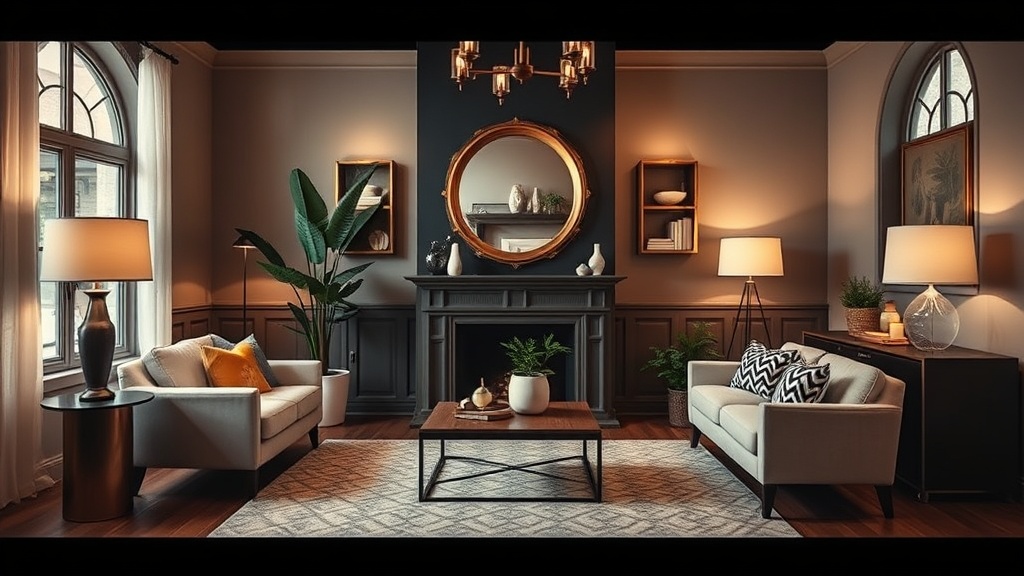
10 Budget Decor Upgrades That Make Your Home Look Expensive (Without Overspending)

You don’t need a renovation budget to make your home feel polished, intentional, and surprisingly high-end. What most people call “expensive-looking” design usually comes down to a handful of smart choices: consistency, lighting, scale, and restraint. The good news? All of those are achievable on a budget.
This guide breaks down practical upgrades that punch far above their price point. None of these require a contractor, and most can be done in a weekend or less.
1. Upgrade Your Lighting (It Changes Everything)
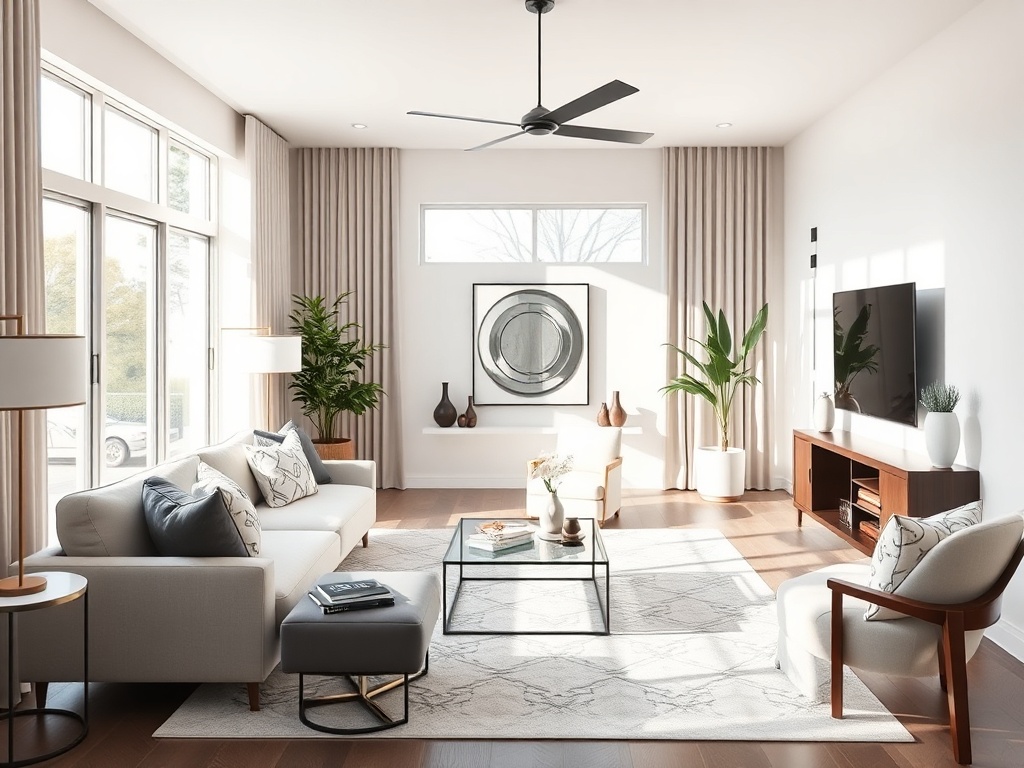
Lighting is the fastest way to make a space feel intentional instead of accidental. Most homes rely too heavily on a single overhead light, which flattens everything.
Instead, aim for layered lighting:
- Floor lamp for ambient light
- Table lamp for warmth
- Accent lighting (LED strips or sconces)
Budget tip: skip designer fixtures and look for clean shapes in matte black, brass, or ceramic finishes. The form matters more than the brand.
2. Swap Hardware for an Instant Upgrade
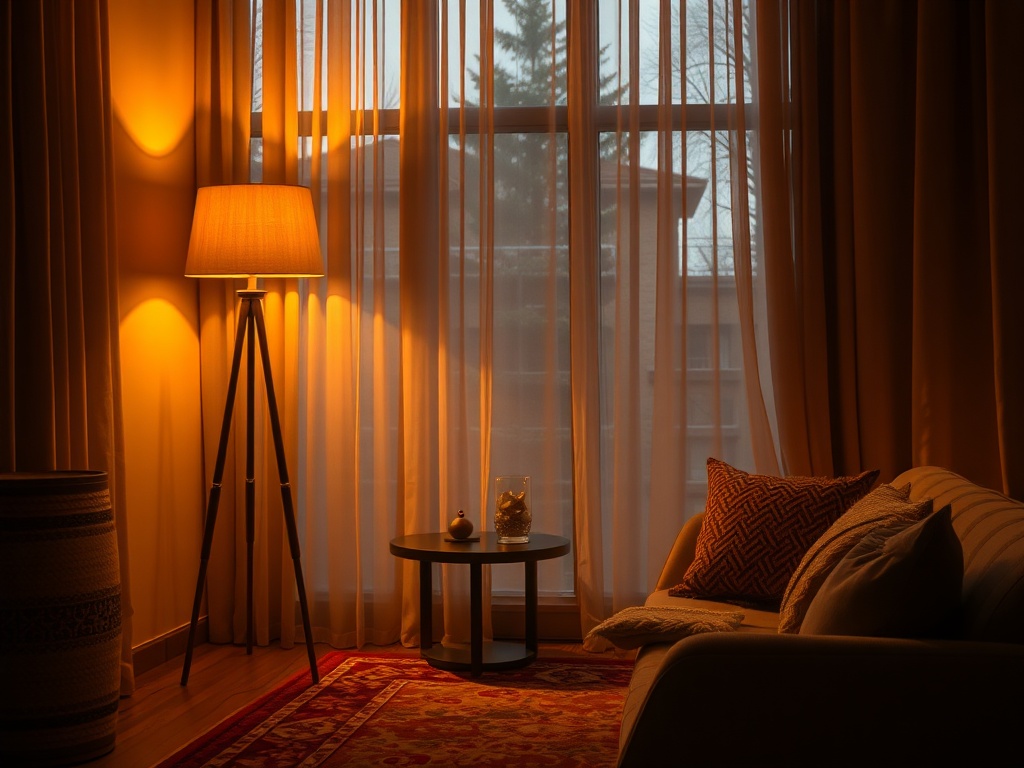
Cabinet knobs, drawer pulls, and even door handles are small details that carry a lot of visual weight. Outdated hardware makes everything feel older than it is.
Replace them with simple, modern options:
- Brushed brass for warmth
- Matte black for contrast
- Chrome for a clean, minimal look
This is one of the highest ROI upgrades you can make for under $50–$100.
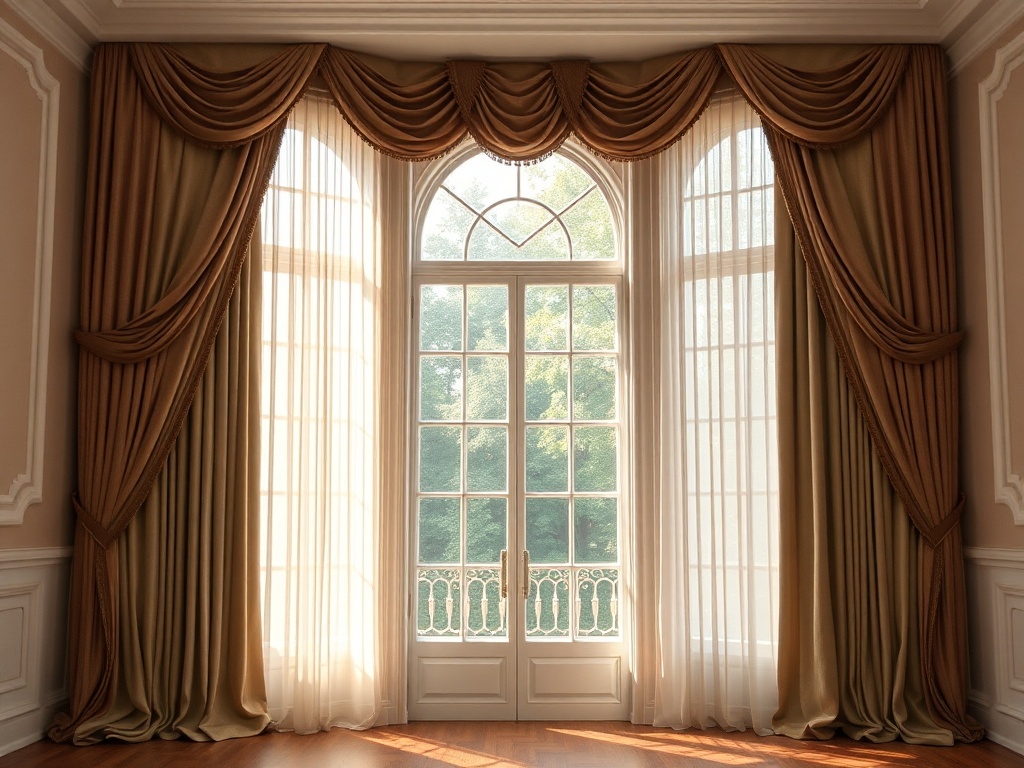
3. Use Curtains Properly (Most People Get This Wrong)
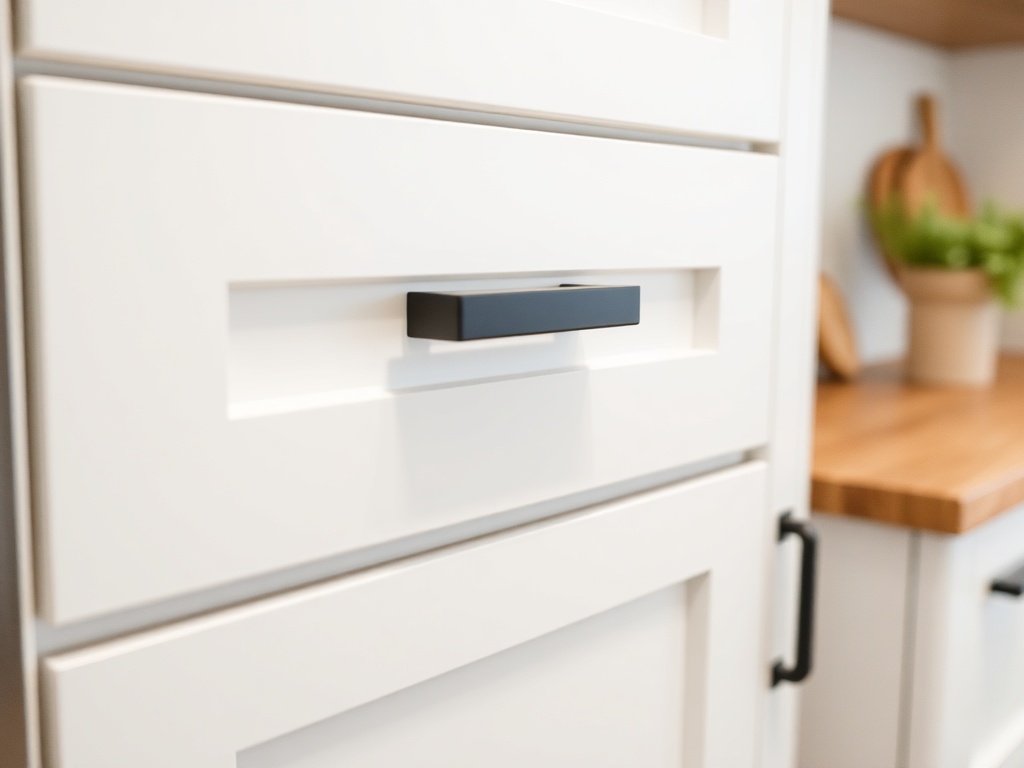
Short, narrow curtains instantly cheapen a room. The fix is simple: go bigger.
- Hang curtains higher than the window frame
- Extend rods wider than the window
- Let curtains just kiss the floor
Even affordable curtains look custom when installed correctly.
4. Create Visual Cohesion with a Tight Color Palette
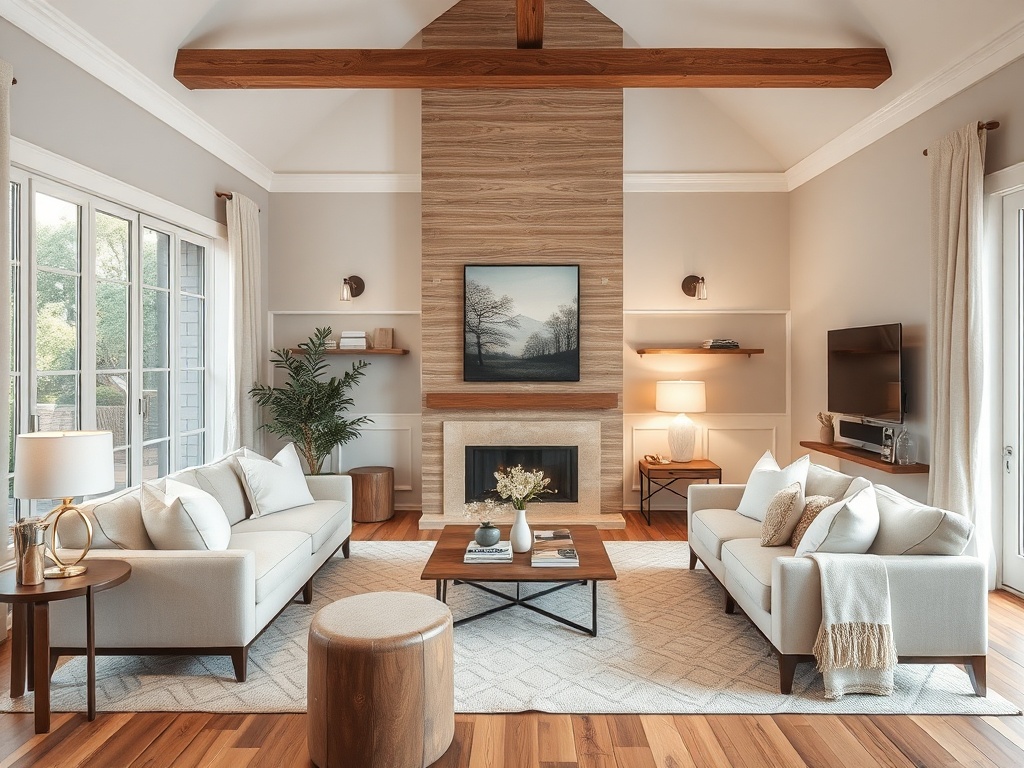
Expensive homes don’t necessarily use more color—they use less, but more intentionally.
Pick 2–3 main colors and repeat them across the room in different forms (textiles, decor, art). This creates a cohesive look without buying new furniture.
Budget-friendly palettes that always work:
- White + wood + black accents
- Beige + cream + warm metals
- Gray + soft blue + silver
5. Style Surfaces Like a Designer
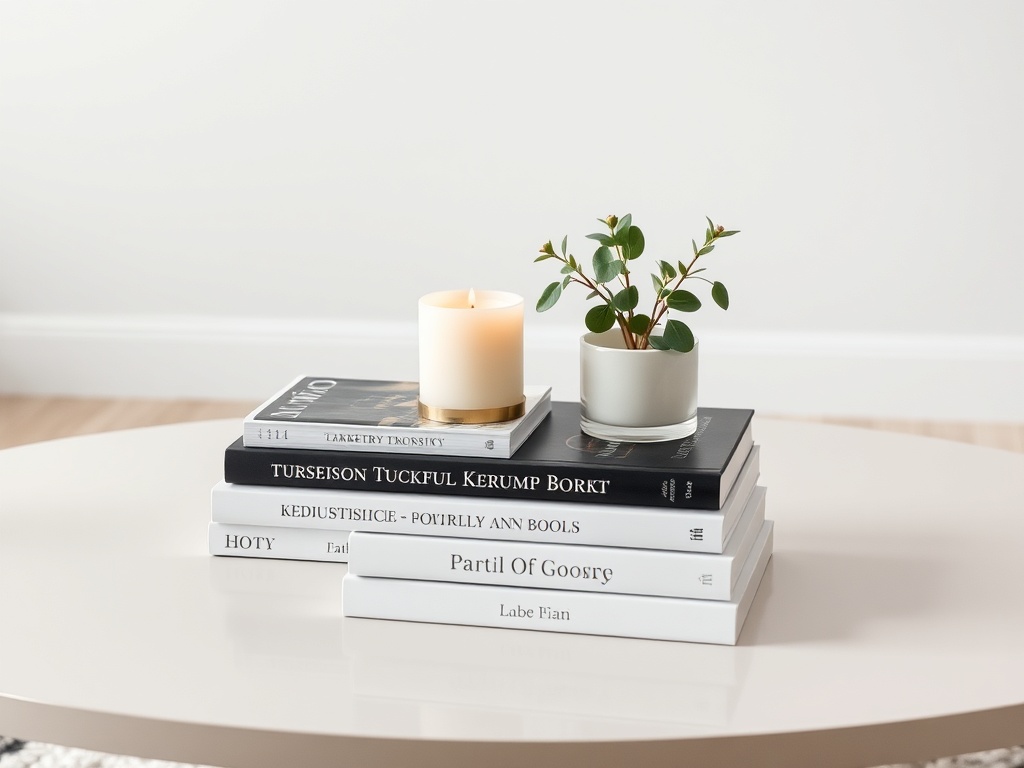
Coffee tables, shelves, and consoles shouldn’t be cluttered or empty—they should be composed.
Use the “rule of three”:
- A stack of books
- A decorative object
- A plant or candle
Spacing matters more than the objects themselves. Give items room to breathe.
6. Upgrade Your Textiles (Pillows, Throws, Rugs)
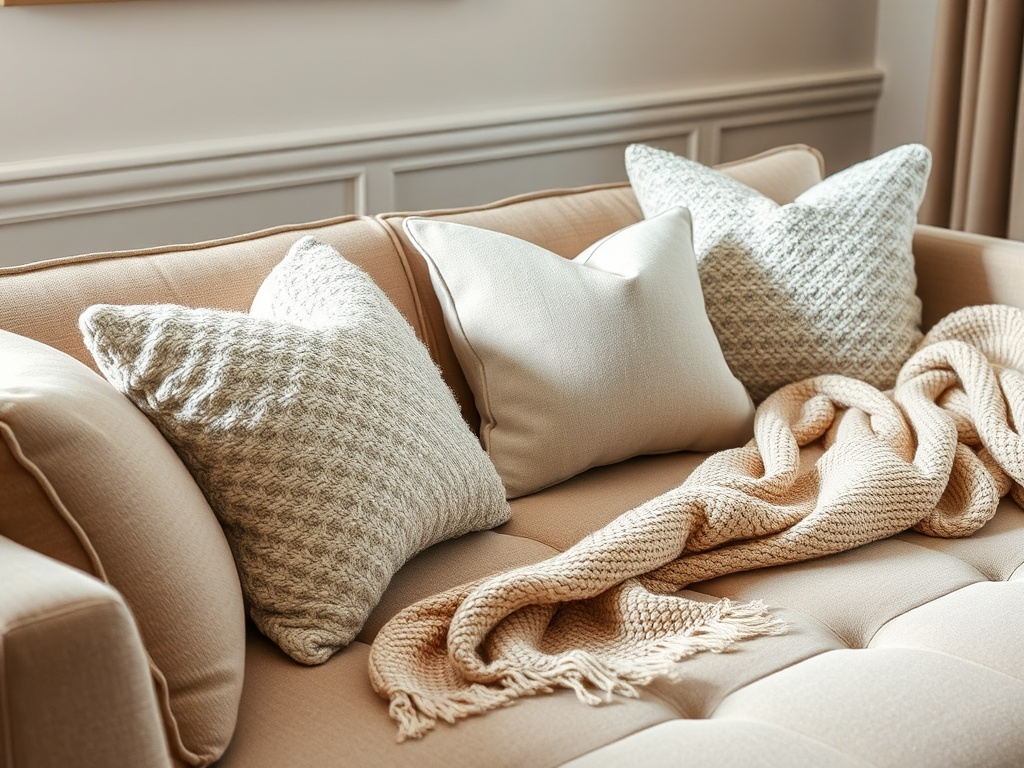
Cheap textiles feel… cheap. But you don’t need luxury brands—just better choices.
Look for:
- Heavier pillow covers (linen blends or textured cotton)
- Larger rug sizes (too-small rugs shrink a room visually)
- Layered textures instead of bold patterns
Even swapping pillow covers can change the entire mood of a room.
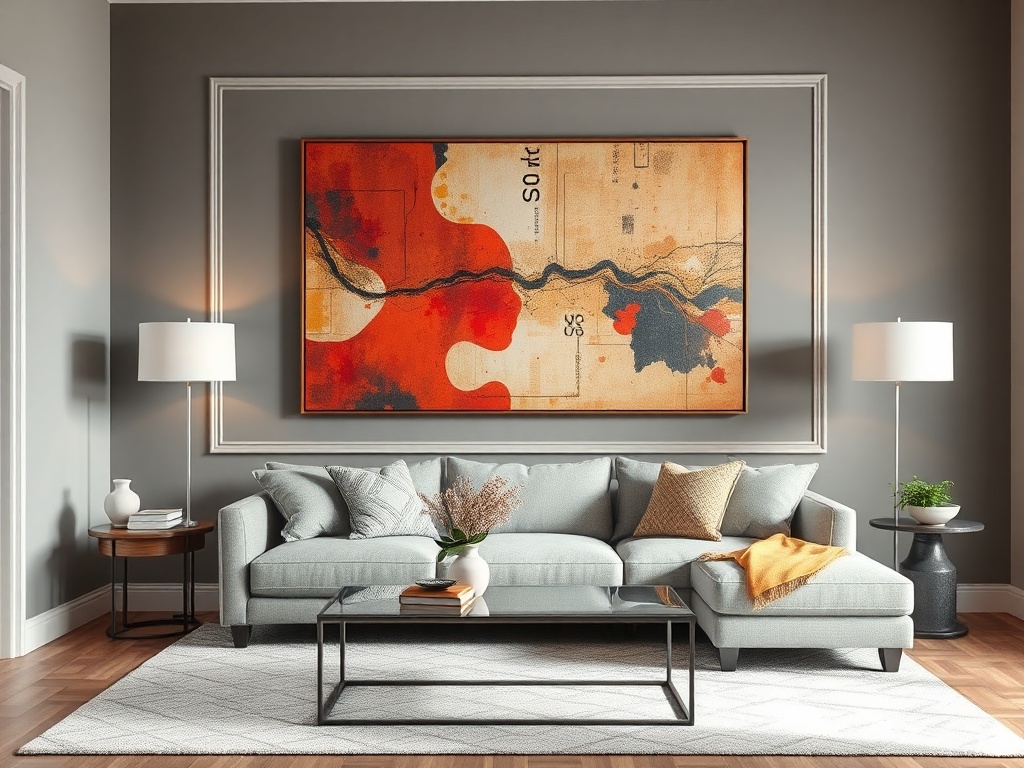
7. Add One Statement Piece Per Room
Every expensive-looking space has a focal point. Without one, rooms feel forgettable.
This doesn’t need to be expensive:
- Large-scale art print
- Oversized mirror
- Unique chair or lamp
Scale matters more than price. Bigger often looks more intentional.
8. Hide Clutter Strategically
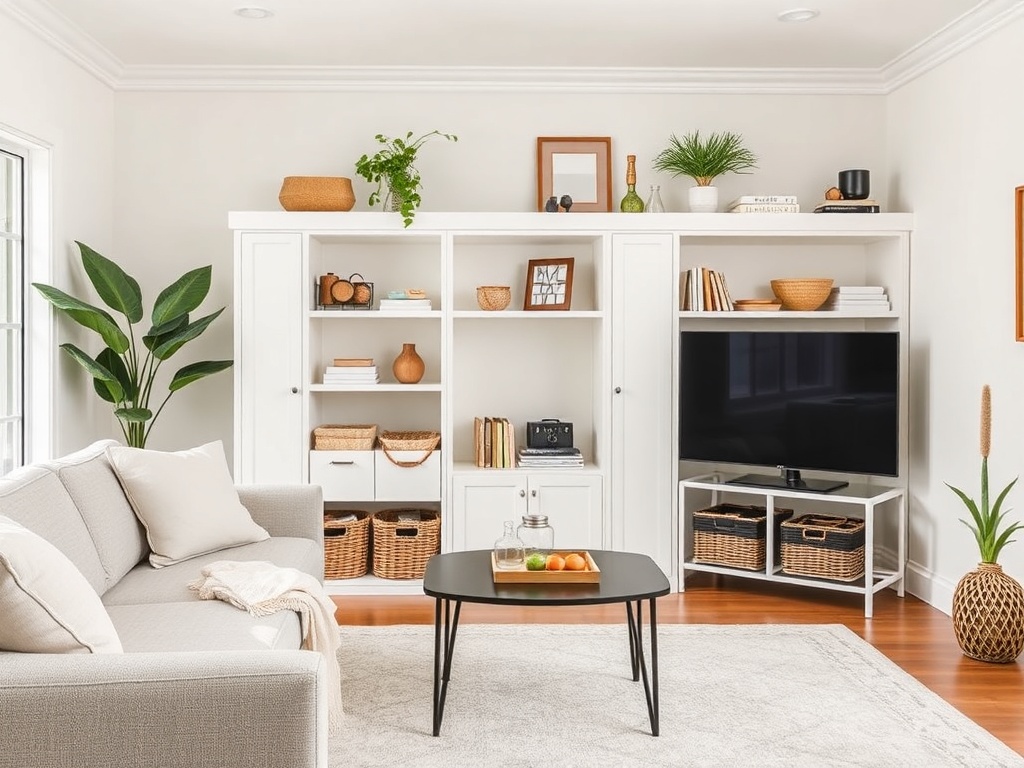
Clutter is the fastest way to make a space feel chaotic and low-end.
Use:
- Decorative baskets
- Closed storage (bins, boxes)
- Trays to group small items
The goal isn’t minimalism—it’s controlled visibility.
9. Incorporate Greenery (Real or Fake—Done Right)
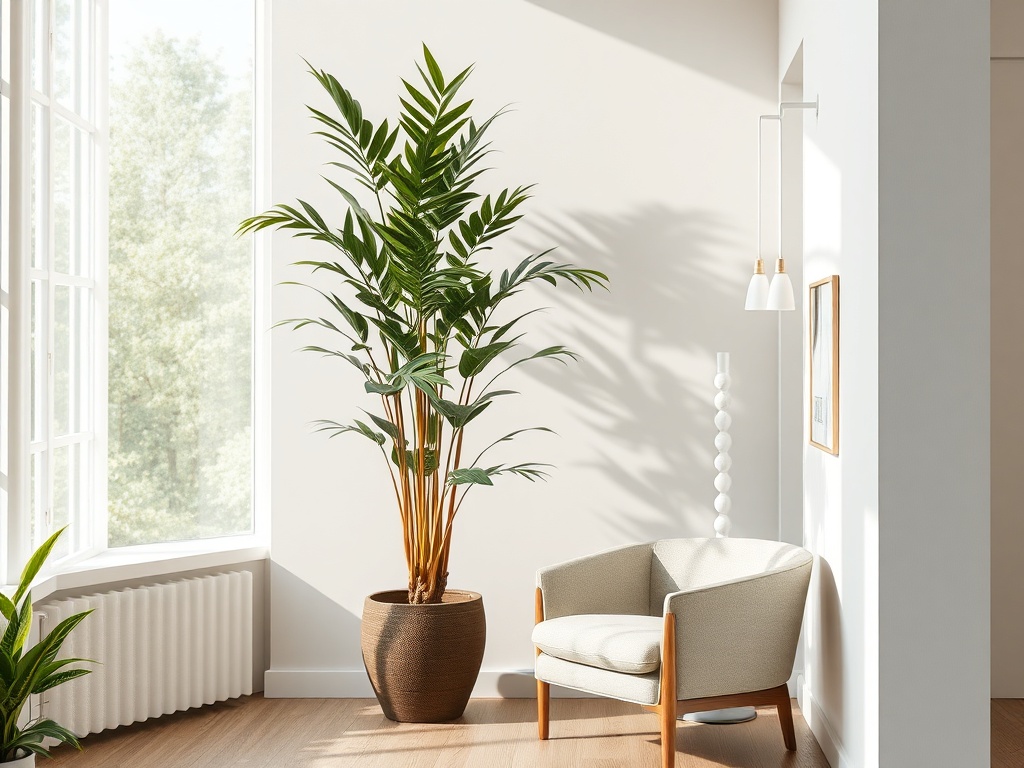
Plants instantly add life, softness, and a sense of care.
If you go faux, choose quality over quantity. One realistic plant beats five plastic-looking ones.
Best placements:
- Corner floor plant
- Small shelf greenery
- Dining table centerpiece
10. Edit Ruthlessly
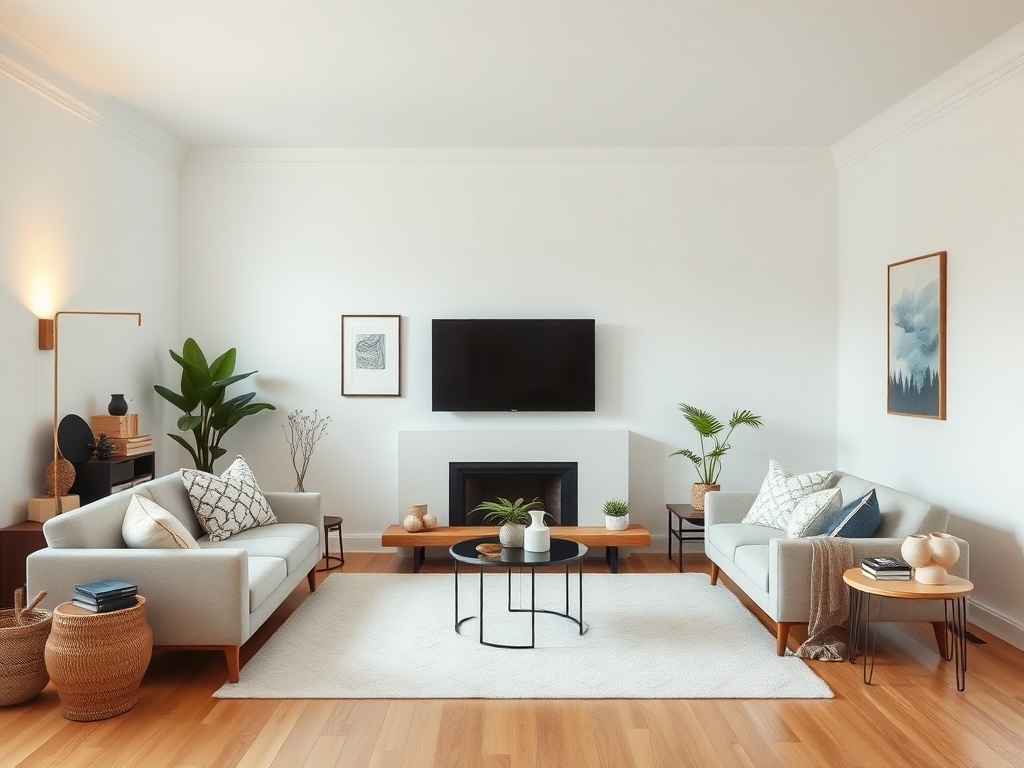
This is the step most people skip—and it’s the one designers rely on most.
Walk through your space and remove anything that feels:
- Out of place
- Overly busy
- Purely functional but visually distracting
What remains will feel more curated and intentional, even if you didn’t buy anything new.
Final Thoughts
Making your home look expensive isn’t about spending more—it’s about making smarter visual decisions. Focus on lighting, scale, cohesion, and editing. These principles work in any space, whether you’re decorating a small apartment or a full house.
If you apply even 3–4 of these upgrades, the difference will be noticeable immediately. The best part? Most of these changes cost less than a single piece of designer furniture—but deliver the same visual impact.